This month is Women’s History month — an excellent time to remember and celebrate some historically important women.
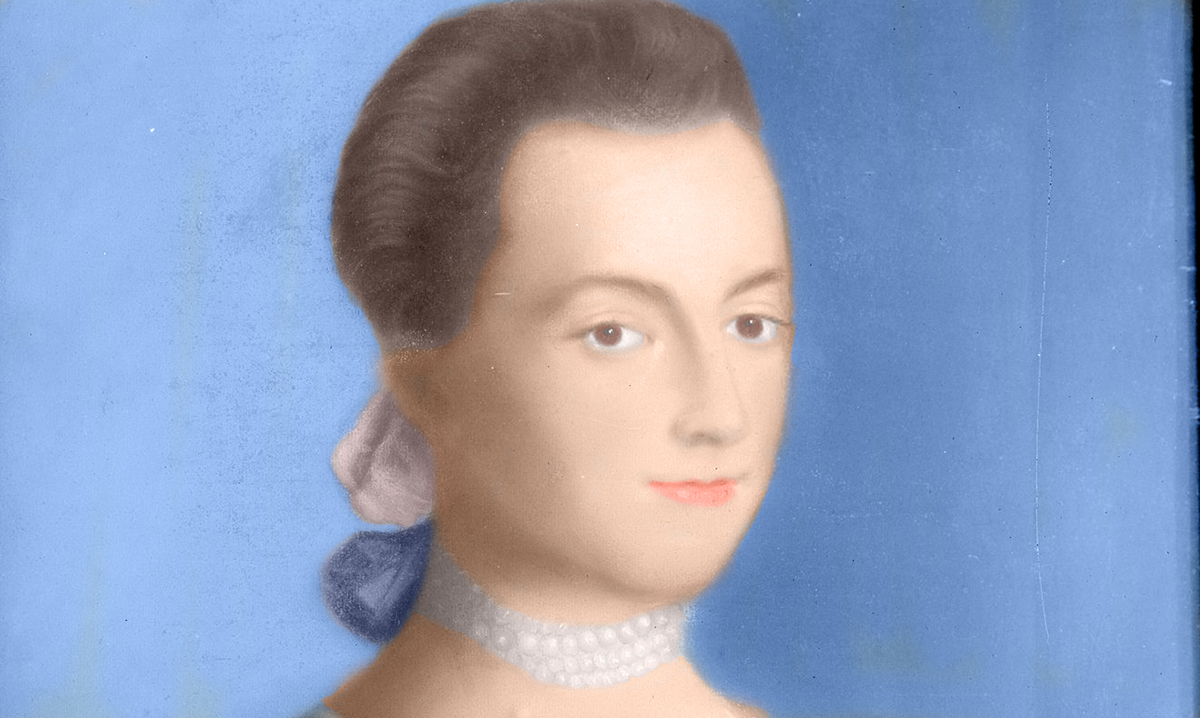
Abigail Adams
 Though her poor health kept her from receiving a formal education, Abigail rose above this, teaching herself to master several areas of study, including even learning a foreign language. She was the close confidant of her husband John Adams, who trusted her counsel and relied on her for sound military intelligence information as well as political guidance. She was an excellent business woman, a faithful wife, and a devoted mother. The first woman to live in the White House, she was the wife of one U. S. President and the mother of another. She was also a strong and outspoken Christian, leaving behind a rich legacy in her extensive personal writings.1
Florence Nightingale
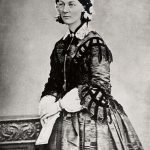 Born into a wealthy English family, Florence Nightingale went against society’s expectations to fulfill God’s divine call of service on her life2. Famous for her nursing work on the battlefield, she left a legacy transforming the health standards not only in England but elsewhere. In fact, the President of the United States consulted her for advice during the Civil War. Author of 17 books and numerous articles, she worked relentlessly to better the hospital industry and health care, and to train nurses to care for the sick.3
Susanna Wesley
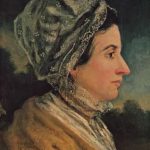 “The hand that rocks the cradle is the hand that rules the world.” From her post as the mother of a busy household in the Epworth rectory, Susanna Wesley trained up a generation that would change the world. She provided the well-regulated primary education for her 10 children that lived past infancy.4 Two of these children, John and Charles, would become influential even across the Atlantic, helping found the Methodist movement in America. She is known as the Mother of Methodism.
Endnotes
1 See for example Letters of Abigail Adams, the Wife of John Adams with an Introductory Memoir by her Grandson Charles Francis Adams, ed. Charles Francis Adams (Boston: Wilkins, Carter, and Company, 1848); Charles Francis Adams, Familiar Letters of John Adams and His Wife Abigail Adams, During the Revolution (New York: Hurd and Houghton, 1876).
2 Louise Selanders. “Florence Nightingale,” Encyclopedia Britannica Online, accessed March 11, 2021.
3 “The Faith Behind the Famous: Florence Nightingale: Christian History Sampler,” Christianity Today, January 1, 1990.
4 Abel Stevens, The Women of Methodism (New York: Carlton & Porter, 1866), 13, 24-28.
*Originally published March 2016.
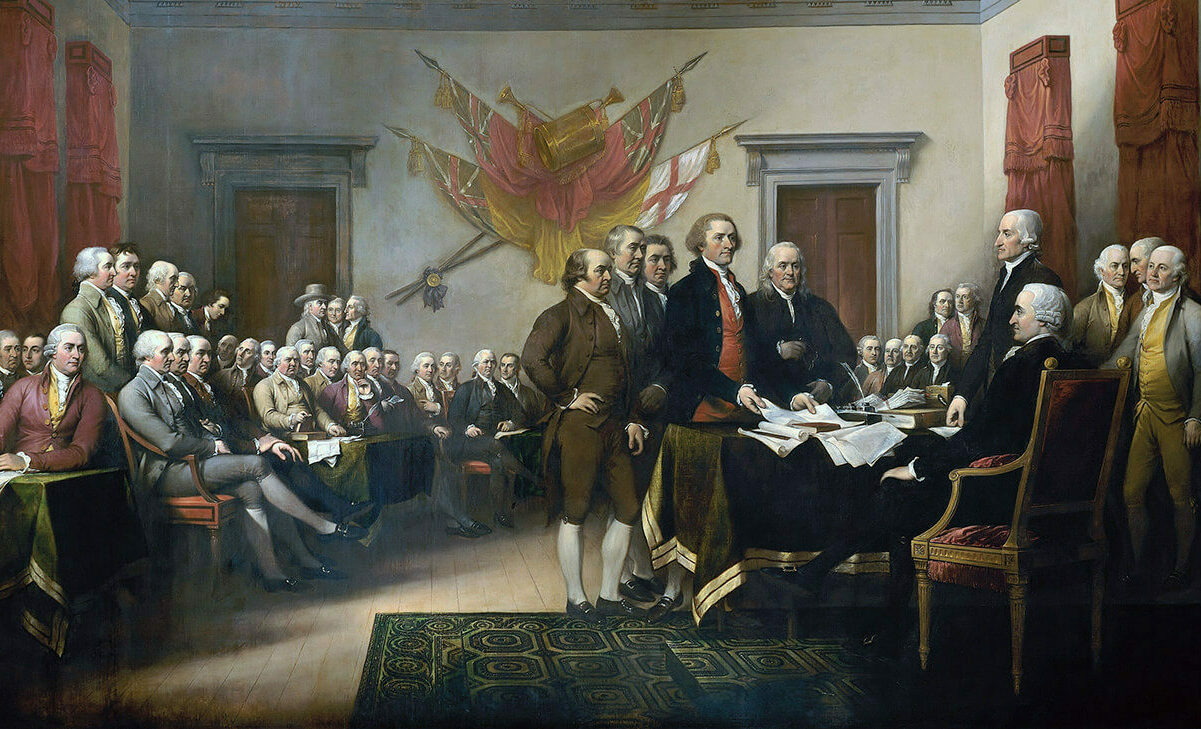
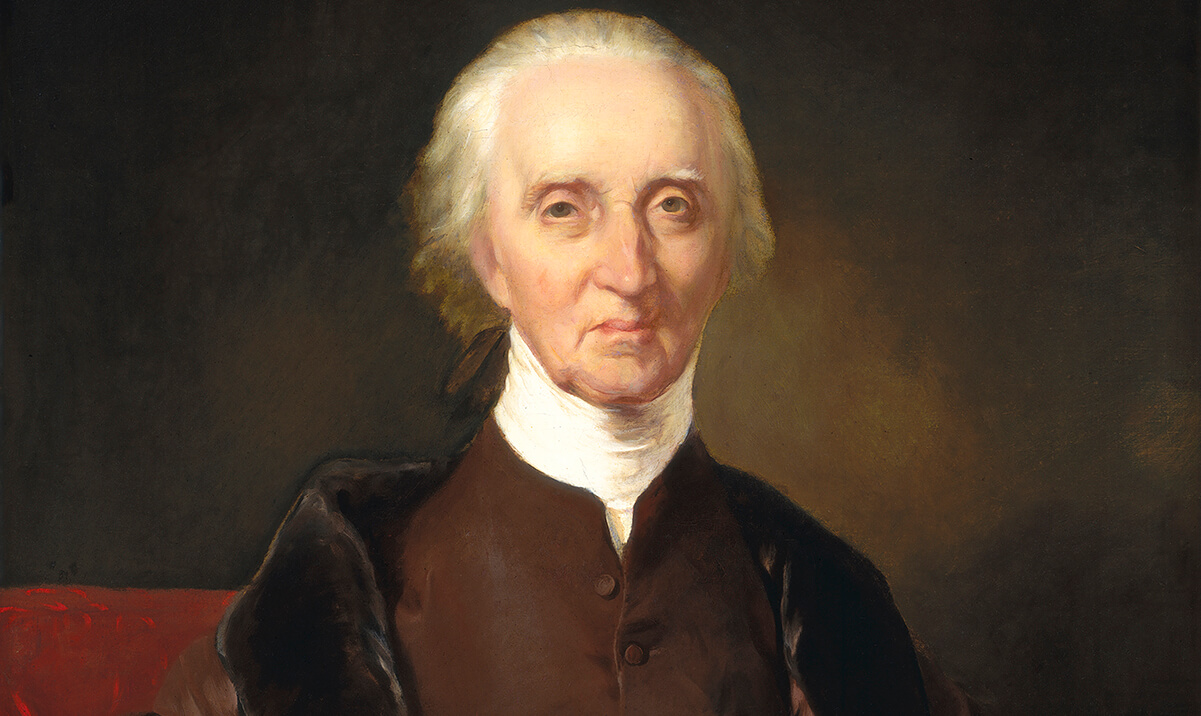
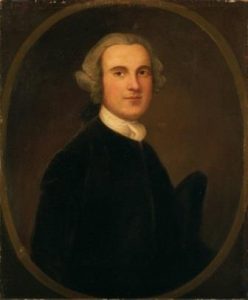 Richard Stockton was one of the 56 signers of the Declaration of Independence. He was one of those who literally gave his life for American liberty. October 1,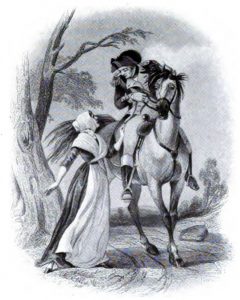
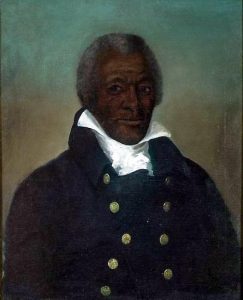 from Virginia worked closely with Marquis de Lafayette.
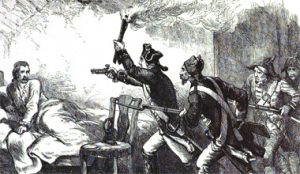 Barton hand-selected about forty elite soldiers, who silently slipped past the main British force and overpowered the guards protecting the general. They had only to break down the door to his room and grab Prescott. One of the black commandos on the mission, Prince Sisson – a powerful man – stepped forward and charged the door. Using his own head as a battering ram, the locked door gave way and Prince entered the quarters and seized the surprised general.
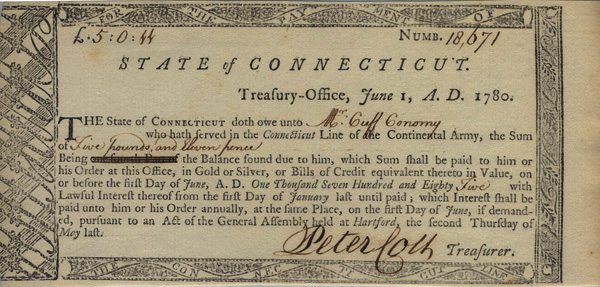
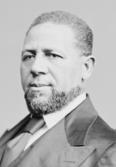
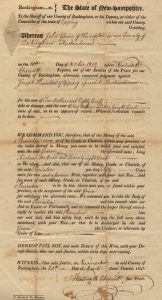 grandson of a slave, had a long career in public office.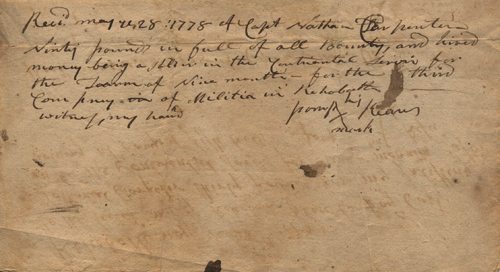

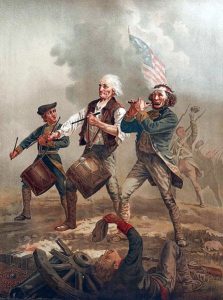 The year 1776 is well known in American history. Obviously, it is directly associated with the signing of the Declaration of Independence, but it is also the year Nathan Hale gave his life for America.
  These words have inspired generations of Americans, and were regularly taught to school students. But in recent years, Nathan Hale and heroes like him have largely disappeared from American public education as well as many history books. We need to reintroduce American students (and even adults) to our forgotten heroes and thus ignite the patriotic spirit in younger generations. As children across the nation have now returned to school, help inspire a child that you know with the amazing legacy left us by those who have come before.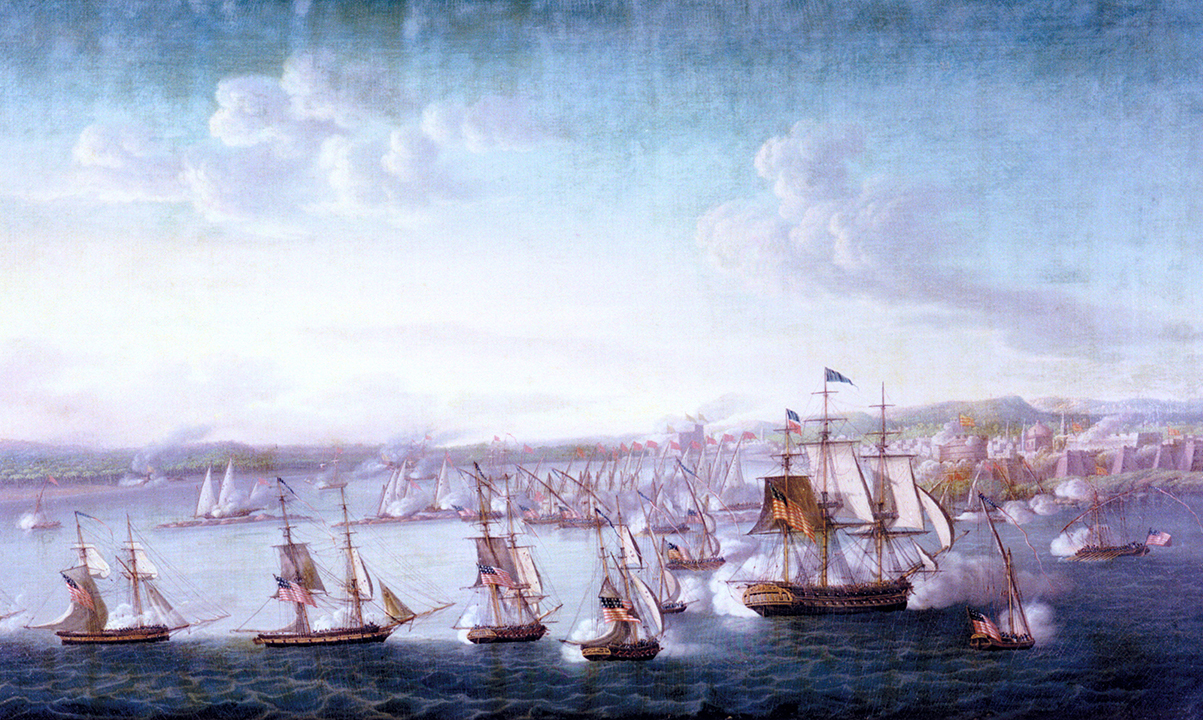
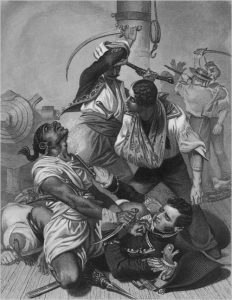 When the American Revolution ended in 1783,
 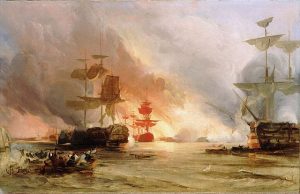 After five years of fighting terrorist forces and freeing captured Americans, Tripoli finally signed a treaty and the hostilities ceased — temporarily. But when America became embroiled in the War of 1812, Algerian terrorists began once again to attack American ships.
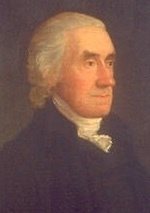 With the
  The rich legacy of the service and sacrifice of chaplains continued long after the American Revolution. For example,
 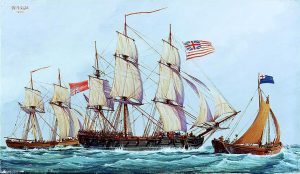 The Continental Congress, not in session at that time, took up the issue when it returned and on
 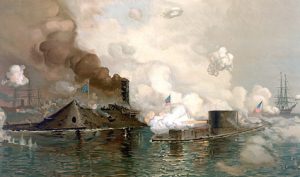 Following this, the Navy slowly shrank in size until it