Thoughts on Psalm 9:17
Proverbs 3:5–6 reminds us that in all our ways (public as well as private) we are to acknowledge Him. And while it is wisdom for individuals, it is also true of nations. In response to the idolatry of others or their failure to acknowledge God, Psalm 79:6 and Jeremiah 10:25 call for God’s wrath upon all nations that do not call upon His name. And the warranty of 1 Samuel 2:30 that “Those who honor Me I will honor, and those who despise Me will be lightly esteemed” was delivered to civil leaders, not religious ones.
The psalmist said, “The wicked return to Sheol, even all the nations who forget God” (Psalm 9:17). Whenever we stop acknowledging Him, whether as individuals or a nation, we soon forget Him, and at that point we are in trouble. Understanding this truth, President George Washington emphatically declared:
It is the duty of all nations to acknowledge the providence of Almighty God, to obey His will, to be grateful for His benefits, and humbly to implore His protection and favor.1
Notice the four duties that Washington said pertained to nations:
- Acknowledge God
- Obey His will
- Be grateful for His aid
- Implore His protection and favor
President John Adams concurred:
The safety and prosperity of nations ultimately and essentially depend on the protection and the blessing of Almighty God, and the national acknowledgment of this truth is . . . an indispensable duty which the people owe to Him.2
President Thomas Jefferson agreed, and in his First Inaugural Address reminded the nation that which was “necessary to make us a happy and a prosperous people” was “acknowledging and adoring an overruling Providence.”3
The conviction that America should publicly acknowledge God was frequently expressed by our national leaders. In fact, President Abraham Lincoln did so and warned the nation in his day that it was beginning to forget God:
It is the duty of nations as well . . . and to recognize the sublime truth announced in the Holy Scriptures and proven by all history that those nations only are blessed whose God is the Lord [Psalm 33:12]. . . . But we have forgotten God. We have forgotten the gracious hand which preserved us in peace and multiplied and enriched and strengthened us, and we have vainly imagined in the deceitfulness of our hearts that all these blessings were produced by some superior wisdom and virtue of our own. Intoxicated with unbroken success, we have become too self-sufficient to feel the necessity of redeeming and preserving grace—too proud to pray to the God that made us.4
For this reason, President Lincoln called the nation to a time of public humiliation, fasting, and prayer so that it would once again remember God.
Acknowledging God Today
Remembering and honoring God at the national level begins with simple acknowledgment of God. Modern disputes over things such as the National Motto, the inclusion of “under God” in the Pledge of Allegiance, public displays of the Ten Commandments or nativity scenes, and prayer at athletic events, school meetings, or political gatherings are not in fact small or trivial matters. Such public acknowledgments are not coercive, but rather simple, encouraging reminders with a long history underscoring the value and wisdom of honoring God. The Founding Fathers would never have supported any public policy that prohibited such expressions and cause us as a nation to forget God.
Endnotes
1 George Washington, “A Proclamation” printed in The Providence Gazette and Country Journal (October 17, 1789), 1. See also George Washington, “Proclamation for a National Thanksgiving,” Writings of George Washington, ed. Jared Sparks (Boston: American Stationers Company, 1837), XII:119.
2 John Adams, “Proclamation for a National Fast,” March 23, 1798, The Works of John Adams, Second President of the United States, ed. Charles Francis Adams (Boston: Charles C. Little and James Brown, 1851), IX:169.
3 Thomas Jefferson, “First Inaugural Address,” March 4, 1801, The Papers of Thomas Jefferson, ed. Barbara B. Oberg (Princeton: Princeton University Press, 2006), 33:150.
4 Abraham Lincoln, “A Proclamation” printed in The Liberator (April 24, 1863), 3. See also Abraham Lincoln, , “A Proclamation Appointing a National Fast-Day,” The Writings of Abraham Lincoln, ed. Arthur Brooks Lapsley (New York: G. P. Putnam’s Sons, 1923), 6:270–271.
Still looking for answers? Visit our FAQ page
More Resources
Georgia and Prayer
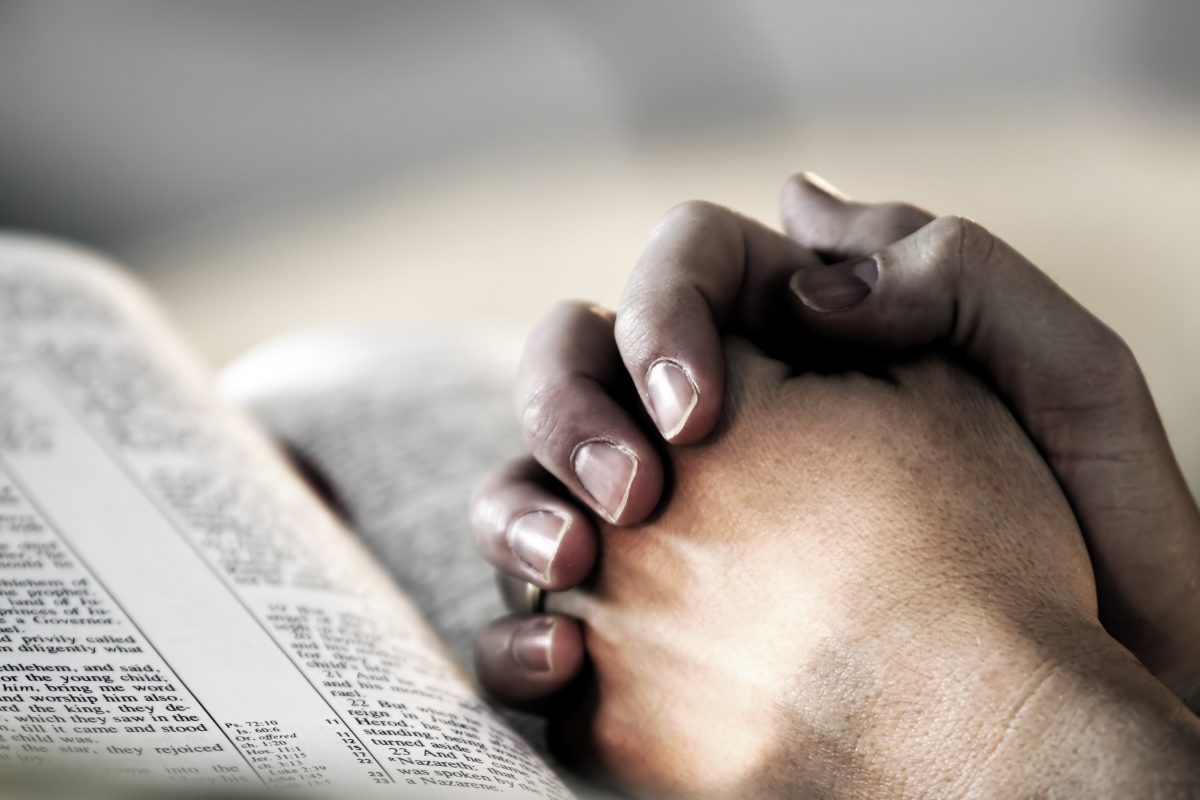
On February 5, 2026, David Barton was selected by the Georgia State Senate as Chaplain of the Day and opened its session with prayer. In his prayer, he thanked God for the blessings bestowed upon the state and its leaders, and asked that the prayers offered over Georgia across the previous three centuries would be […]
Freemasonry in the Founding Era
In God We Trust
Know the Truth and Protect Your Freedoms.
Still looking for answers? Visit our FAQ page

Stay Informed with the Latest Resources
Enter your email address to receive our regular newsletter, with important information and updates right in your inbox!