This sermon was preached by George W. Bassett in the House of Representatives chamber in 1858.
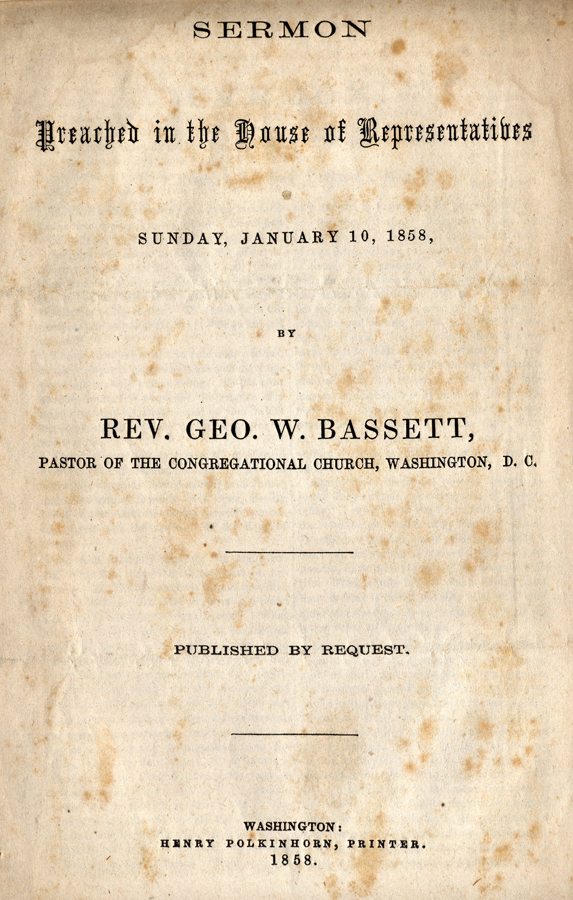
PREACHED IN THE HOUSE OF REPRESENTATIVES
SUNDAY, JANUARY 10, 1858.
BY
REV. GEO. W. BASSETT,
PASTOR OF THE CONGREGATIONAL CHURCH, WASHINGTON, D. C.
SERMON.
I Kings, 2, 2: Show Thyself a Man.
This was a charge worthy of a dying monarch to the heir-apparent to his throne. David had nobly fulfilled his destiny as a man and a sovereign, and was about to entrust the affairs of a great kingdom to his youthful son. Most appropriately, therefore, does he enjoin upon him to conduct himself in a manner worthy of the dignity of his station. This he does in the comprehensive words of the test: “Show thyself a man.”
Though few are called to rule over nations, in many respects these words are strikingly appropriate to every human being. To the most obscure mortal is entrusted the empire of a mind deathless as Deity; and he that rules his own spirit is superior to the conqueror of the world.
The most profound statesmen, the most sagacious of politicians, and the most fearless and invincible warriors have generally failed here; and the weakest females have often meekly borne off the palm, amidst the shouts of attending angels and the applause of the King of kings.
Our text naturally suggests two inquiries: 1st. What are the essential elements of humanity? 2d. What conduct is becoming a man in view of those elements? Or, what is a man? And what is it to show one’s self a man? 1. What is a man? Oh! That the spell of sensuality might be broken, and that American mind might be disenthralled of matter; that men would see that they possess other than physical elements of being; and that the chief end of man is not to eat, drink, and die! Man possesses a triune nature – physical, intellectual, and moral; the existence, functions, and destiny of each, clearly distinguished from the other. On each department of our nature is inscribed by the creator, immutable laws, in obeying which, this natural destiny is accomplished and well-being secured; and in disobeying which, the appropriate end of being is defeated, and inevitable ruin incurred.
Look at the physical or lowest department of the human constitution. What does nature dictate in regard to its proper function and legitimate destiny? Adaptation is the key to this subject. To what is this idolized body of man adapted? And you have the exact design of nature in its creation. We find it endowed with five senses, each susceptible of pleasurable excitement from certain external objects. But the excitement of these, even on legitimate objects, beyond certain limits, is uniformly productive of pain. Hence we infer there is a natural limit to their lawful gratification. And further, these senses are the means of communication with the material world; their momentary gratification is by no means their ultimate end: they are altogether subordinate and subservient to mind. And when they usurp an unnatural supremacy over mind, their empire is death to all nobleness and true humanity.
Again, these corporeal powers belong to earth; they exhibit not a symptom of immortality. I refer not to the “spiritual body” of the resurrection spoken of by Paul and others, (a subject, I confess, hard to be understood,) but I say the corporeal powers which we now possess, have their sphere of operation in this life. Their nature is flesh, and not spirit; and their destiny is death, not life. Let this cardinal fact ever modify our estimate of their relative value and importance.
Let us, in the second place, leaving the dark domain of matter, approach the ethereal regions of spirit, and contemplate, for a moment, the immortal part of man. Here we discover the essential characteristics of a man, as distinguished from the brute. Man’s spiritual nature is composed of intellectual powers and moral feelings. Of his intellectual powers, notice particularly the power of original, independent thought. Man’s intellectual activities are not limited to the mere functions of perception. A far higher destiny is stamped upon the human intellect. He possesses not only the power to perceive facts, but to apprehend their multiplied relations, and to reduce them to complete systems of philosophy. Wisdom is the legitimate prerogative of the human intellect. Observe also the power of volition. Man was evidently not made to be the mere creature of another’s will – to live, and breathe, and speak, and think at another’s command – but was endowed with the more than royal power of individual responsibility and independent action.
In regard to the moral nature of man, notice the principle of conscience by which he comprehends and feels the force of moral obligations. He perceives what is right and feels bound to do it, and he perceives what is wrong and he feels bound to resist it. This universal moral sense, whatever may be its constitutional element, is an undeniable and imperishable fact of human nature. It is an essential part of the deathless man. It’s still small voice may be drowned for a moment, in the wild tumult of the rebellious passions; it may even be lulled into a temporary slumber, by the siren voice of vicious pleasure; but this will only prepare it to awake to a more terrible vengeance upon its suicidal victim.
As kindred to this, I would mention another interesting element of our moral constitution, and which we may call a natural sense of justice. It differs from conscience, in that the latter limits its mandates to one’s own moral acts, while the former may have reference to transactions in which one has no agency, and can have no personal responsibility. Our conscience can have nothing to do with the unheard-of cruelties of Nena Sahib, while our sense of justice is painfully violated. Conscience does not contrast this murderer of women and children, with their brave protector and avenger, the immortal Havelock. It is entirely inoperative here. But the sense of justice is not. This, independent of one’s own acts, cries out that the conduct of one is that of unparalleled barbarity, while that of the other is unsurpassed in true glory. Now, I maintain that this sense of justice is one of the most sacred and authoritative instincts of our common humanity. I know its dictates may be violated, and that too, in the name of religion, and under the mandates of a vitiated conscience; but remove all disturbing forces, and let humanity express its natural promptings, and there is no essential discrepancy. The race utters one universal demand for justice between man and man.
But we have not apprehended the essential elements of human nature until we have contemplated the source of moral action – the heart. This it is which loves and hates. This susceptibility is the crowning glory of man. An intellect to apprehend; a conscience to command, and a will to execute, without a heart to feel and love, would leave their possessor wanting in the cardinal element of humanity. The heart to love, more than all elements, constitutes the glory of our race. This is the seat of virtue, the fountain of bliss. Here is seen pre-eminently the divine image, all radiant with benevolence, or defaced and marred, and polluted by the indulgence of supreme selfishness.
Again, progress is a law of man’s spiritual nature. The human body manifestly possesses a limited destiny. It attains to complete development and maturity in a few years. It then commences its natural process of decay. Not so of the spirit of man. Reason can discover no limit to its progressive development.
The growth and expansion of the intellect is produced by its exercise upon newly discovered facts and relations, and as the facts of the universe and their relations are without limit, so there can be no reason for setting bounds to the future progress of the human intellect. The incarnate mind is amazed at the stupendous destiny that is stamped upon the intelligence of man.
The moral nature of man is also highly susceptible of consolidation and progress. Strength and stability, result from habitual exercise. The principle of benevolence, which is the great law of our moral nature, is strengthened chiefly by exercise. And all creation is full of exciting causes, and stimulants to the exercise of this faculty. Especially is the moral condition of our world one universal appeal to this principle. Besides, the Creator has connected pleasure with the legitimate exercise of all of the intellectual and moral powers, thus stimulating them to voluntary efforts at development, and indicating their appropriate destiny. Not less truthfully than beautifully is it said, that “the path of the just is as the shining light, which shines more and more unto the perfect day.” Progress, therefore, is a law of man’s spiritual nature.
Having thus imperfectly reviewed the elements of the human constitution, we will proceed to the consideration of the second topic of discourse, viz: What conduct is becoming to human nature, or what is it to show one’s self a man?
1. It is not becoming a man to cultivate and exercise, exclusively or principally, his bodily powers and appetites. Nothing is more unbecoming in a man than the subjection of his physical constitution. What a moral picture is here presented to our conception! Look at the world, materialized, sensualized, degraded! What is the grand inquiry of this God-begotten race? What shall I eat? What shall I drink? Wherewithal shall I be clothed? Constitute the practical ethics of the world! Mind, heart, immortality, God, holiness – these are unwelcome ideas, seldom thought of and scarcely apprehended. What a wide waste of being! “Man, created but a little lower than the angels, and crowned with glory,” living like the beasts that perish! In the highest circles of fashion men often present the humiliating phenomena of refined and cultivated animals. Their Divine humanity is lost sight of, eclipsed by refined and reputable sensualism. Is it manly to bring all the immortal powers of the spirit to subserve the momentary gratification of the animal appetites? Is it not worse than brutal? Is it not devoting the powers of a man to perform the acts of a brute? Such is the stultifying influence of the selfish passions, that immortal man has gone mad after sensual pleasure. And although every unlawful indulgence infuses an adder’s poison, yet the subjected spirit is dragged along, as by some infernal spell, from vice to vice, until it becomes the unresisting slave of its own lusts. And then what an object is man! How fallen from his primeval glory!
2. It is unbecoming a man to suffer his intellectual attributes to predominate over and subject his moral sentiments; to develop his mind at the expense and neglect of his heart.
From the lowest walks of life, through all grades of society, to the highest positions of honor and dignity, the majority of men seem everywhere to ignore the existence of a moral and accountable nature. So far from moral considerations bearing supreme sway, their claims are violated and sacrificed for the paltry considerations of temporal gratification. Intellect, and especially that second-rate development called sagacity, smartness, and sometimes talent, is worshipped. Men of genius, where are they? If this age is capable of producing them, they are struggling with adversity or pining in want; and as to superior moral worth, and an uncompromising hostility to wrong, it is an encumbrance. True virtue – not the sham religion of the times – is an un-current element of power. The real statesman may apprehend correctly the great principles that lie at the foundation of his country’s peace, but the mere politician who ignores those principles, and flatters the popular prejudices, is the available man. He, with some noble exceptions, secures the popular suffrage. And the real prophet of God may apprehend fully the moral degeneracy of the Church. He may detect and expose the heartless formalism of her service, the disgraceful inconsistency of her members, and the mercenary motives of her cowering, man-fearing, soul-deceiving priesthood, – but his message is not received. Still the “prophets prophesy smooth things, and the priests bear rule, (keep their places,) and the people love to have it so.”
But this state of things is all incompatible with the natural supremacy of the moral over the other departments of the human constitution. Man’s moral nature was evidently stamped with regal authority. As the supremacy of the physical over the spiritual makes the beast, so the ascendency of the intellectual over the moral, makes the Devil.
Intellect is not the seat of virtue or of bliss. It is the medium of happiness or of misery, according to the moral state of the heart. Did the transcendent genius of Byron make him happy? He
“Stood on the Alps – stood on the Appenines,
And with the thunder talked, as friend to friend,
And wore his garland of the lightning’s wing,
In sportive twist.
Suns, moons, and stars and clouds, his sisters were;
Rocks, mountains, meteors, seas, and winds and storms,
His brothers – younger brothers, whom he scarce
As equals deemed.<—Yet
He died – he died of what? – of wretchedness;
Drank every cup of joy, heard every trump
Of fame; drank early, deeply drank; drank draughts
That common millions might have quenched – then died
Of thirst, because there was no more to drink.”
Deluded man! He essayed to quench his immortal thirst at the broken vessels of sinful pleasure, but neglected that perennial fountain of life that issues from the Eternal Throne above. It was the matchless words of his own bitter experience, that
“They who know the most
Must mourn the deepest o’er the fatal truth –
The Tree of Knowledge is not that of Life”
And so it must ever be with the ascendancy of the intellect over the moral nature of man. To enlarge the intellect while the heart is depraved, is to increase the power of self-torture. Every idea that is received into the mind of an unsanctified heart, will be a charge in the spiritual battery of self-destruction, that will play upon the guilty soul forever.
Is it acting the part of a man to develop all the secondary elements of human nature, while the cardinal principles – those to which all the others are naturally subservient – are either neglected or vitiated? To show one’s self a man, is to develop the entire constitution, and not to neglect or squander the most important part. Melancholy and fearful is the sight of a giant intellect under the control of wickedness. It is dark and terrible as the storms of the tropics – gloomy and desolate as polar midnight.
But I remark positively: 1. To show one’s self a man, is to repent of sin. Strange as this may sound, it is the first step towards real manhood. That man was made for virtue and not vice, – for holiness and not sin – is evident from all the adaptations of his moral constitution. But that he has violated the laws of his moral nature, and become positively vicious, is evident to all. Now the only natural or possible mode of correcting his vitiated moral nature, is to repent. No other act has the least tendency towards it. Repentance, therefore, is not only manly, but is the first truly manly act a human being is capable of. Such is the universality of human wickedness, that all moral acts, previous to repentance, are selfish and unworthy of a man. I am aware that repentance is looked upon as a weakness; but it is the most heroic of acts. It is self-subjection – a triumph over one’s worst foes – those of his own household; yea, those of his own heart! I am not speaking of the servile cowering of the sycophant; but the honest and generous return to duty of the erring subject of the Great God – an acknowledgement of the rights of the Creator and Benefactor of the universe. It is establishing the supremacy of virtue in a self-reined soul. To prostrate one’s self before the Great Jehovah, and ingenuously confess his transgressions, and abandon them forever, shows a perception of right, and evinces an integrity of purpose which is truly exalted and manly. But for a moral being to persist in wrong, against the dictates of his judgment, and under the lash of a guilty conscience, argues anything but manliness. It is the spirit of slavery in the love of it. Viewed by the standard of universal right, man is in ruins. His heart is a moral wreck, and his ignorance of the fact is one of its most melancholy effects. Now I ask if the only retrograde process from vice to virtue, from misery to bliss, and that process approved and urged by every power of the soul, is not a manly process? I say, then, to the persevering transgressor of God’s law: “Show thyself a man,” and repent of you. To the self-enslaved drunkard or epicure, I would say, show yourself a man, and subject your body to the spirit. And to the lover of the world, I would still say, show thyself a man, and trample your idols in the dust. Repentance, meanness? What else is honorable? Is justice mean? What faculty of your mind says it? But repentance is only justice to God and man. Every sin is a blow at the Throne of God and a stab at the heart of man. Sin is an infraction of the law that guards the throne, and protects the interests of the universe, and its criminality and ill-desert is measured only by the magnitude of those interests. And can it be deemed manly to persevere in transgression? Every power and faculty of man’s triune nature answers, no! A wretched, sin-cursed race cries out, no! All the angelic world above, and all the demoniac tribes beneath, unite their testimony against the manliness of continued transgression!
2. Earnest and appropriate efforts to attain to the highest possible degree of moral development, are well becoming a man. Growth in grace, truly apprehended, is the highest possible aim of man on earth. He has not apprehended the relations of man in this world, who has failed to recognize his condition as that of war, – a war of truth against error, – of virtue against vice, – of right against wrong; and it is manly to wage this great war with untiring zeal and true bravery. No nobler spectacle presents itself to observing angels, than that of a weak mortal summoning all his moral powers to the contest of right against wrong, striving to subdue every unworthy principle of action, and aspiring after the highest degree of moral greatness. This is more glorious than all military or civil triumphs.
If you would be manly and truly superior, my hearers, subdue passion; overcome prejudice; re-enthrone reason, and obey the supreme law of your mind.
3. Piety is manly. Reverence for the Supreme Being, and loyalty to the Sovereign of the Universe, are becoming a man, and nothing is more unbecoming that the opposite. There is not a constitutional pulsation of man’s moral nature, nor an adaptation or prompting of his whole constitution, but points to real piety as the true normal condition of his being. Men of mind affect to despise the Christian religion! I mean true apostolic Godliness, – real, genuine Puritanism, – the uncompromising war against the world, the flesh and the devil. They look with contempt and aversion upon the votaries of such a religion, and call the man that renounces the riches and honors of the world for such a religion, and makes himself of no reputation, for Truth’s sake – a miserable fanatic; and they affect to pity his weakness and want of manliness!
But what is a Christian, but a rectified man? This it is; nothing more; nothing less. I protest against the vulgar prejudice that when a man becomes a Christian, he ceases to be a man. He then assumes his proper, his primeval humanity, and never before. Those religions that degrade the soul, narrow the heart, and fill the mind with bigotry, conceit, and unmanly servility, are not genuine Christianity. They are the prolific spawn of an age of heartless formalism. But true Christianity is a very different thing. It is a sacred consecration of all our powers to the good of universal being. It is a condition of vast moral superiority; even a triumph over the world, the flesh, and the devil. It is a condition of perpetual antagonism against all wrong, and of uncompromising identity with all right.
Now, shall he who pours out his full heart of love and gratitude upon his Infinite Creator and Benefactor, and devotes all his powers to universal well being, be looked upon with contempt by him who worships the stupid things of sense, and knows no higher motive of action than supreme selfishness? Do you call piety superstition? It is true philosophy. Adoration meanness? It is the highest employment of man! Says a great writer, “No nobler feeling than this of adoration for one higher than himself dwells in the breast of man.” Man was made to love and to love the lovely, and to love supremely the Infinitely Lovely; and this alone is manly. Christianity degrading to humanity? Look at facts. Who is it that now challenges the gratitude and admiration of the civilized world for his unparalleled military heroism in avenging violated and slaughtered innocence, and in protecting and defending the helpless? Who is the avenging hero of bloody Cawnpore, and the angel of salvation to besieged and distressed Luck now? Who wrought those miracles of bravery in that six days march of blood and death from one to the other? The brave, the beloved Havelock, the Baptist exhorter. He it was who when Colonel, baptized the soldiers of his own regiment; and his commanding officer having investigated charges against him for disorderly and un-soldier like conduct in the thing, pronounced his regiment the most orderly and well behaved; and sending him his respects, ordered him to baptize the whole army. Has Christianity degraded that self-sacrificing hero? What else made him equal to the exigency, and carried him triumphantly through those overwhelming scenes?
Did Puritan Christianity render the soldiers of Cromwell inferior as men? When did they show it? Was it on the field of battle? Was it when the gay Cavaliers of the Royal army melted before their burning charges like wax in the furnace? Was it in the presence of the Parliament of England, whom they expelled from their venerated halls because they did the work of the Lord deceitfully, as they said? Was it when, under the inspiration of pure truth, they rose superior to all human laws and precedents, and executed a murderous sovereign in the name of the Eternal God? What made Cromwell’s Ironsides all heroes? What but the Christian religion? Are you ashamed of piety as unmanly? Go, erase from the scroll of fame the names of Washington, Wilberforce, Newton, Locke, and Milton, and even old Socrates, the most pious of the heathen!
Nowhere will you find the complete development of all the departments of the human constitution, but under the rectifying influence of a pure Christianity.
4. Love to our fellow man is essential to a manly character. The duties of justice between man and man and the spirit of universal brotherhood, are manifest dictates of the human constitution; and when man violates these principles, he so far forth ceases to be human, and approaches the character of spirits and beasts of prey. The relation of mutual dependence and essential equality, which characterizes the race, stamps its destiny in this respect. “No man lives to himself” and obeys the laws of his being; and he who lives a life of supreme selfishness, lives in violation of the laws that are written upon his constitution, and he experiences all the melancholy consequences of transgression. His heart is withered, his moral sense blunted, and his whole spiritual nature vitiated. Look at the selfish world. Man rioting upon the blood and bones of his fellow! Is this manly? Is it the dictate of the human constitution? Is man really a beast of prey? Has God furnished him with the tusks of the hyena? Has he endowed him with the mean selfishness of the wolf? The sly deception and trickery of the fox? And the fatal poison of the adder, that he should go about as a roaring lion, seeking whom he may devour? Whence this divine sense of justice, and those celestial promptings of benevolence and generosity? Ah! Man was made to be the brother, and not the tyrant and robber of his fellow man. Those fraternal promptings of his unsophisticated nature are unmistakable. They utter plainly the voice of nature’s God.
Rem. 1. This subject suggests a forcible argument in proof of the divinity of the Christian religion. It is the entire harmony of that religion with the human constitution. Reason can account for the wonderful adaptation of the provisions of the Gospel to the spiritual necessities of man, only on the theory of a common author. Philosophy had exhausted her resources in four thousand years of fruitless efforts to solve the momentous problem of human regeneration. All was hopeless darkness until the Star of Bethlehem arose with the beams of Heaven’s own light. From that great day to the present time, true Christianity has been the uniform antagonist of vice, and the great lever of human elevation. To my mind, it is far more difficult to account for the human than the divine origin or Christianity. Reason testifies, not that God was not its author, but that none but God could have been its author.
2. Notice one of the popular errors of the times. It is the neglect of the moral culture of the masses. Great and unwanted efforts are made by governments and associations to extend popular education. But education is limited to the cultivation of the intellect. No appropriate influences are used to cultivate the controlling and prompting powers of conscience and heart. Temples of Minerva, called colleges, are built and endowed; temples of fashion, called churches, are enlarged and beautified, but no temples of truth, charity and self-sacrificing benevolence are consecrated in the popular heart. Ah! My hearers, common school education will not save this country. The disease of this nation lies deeper than the intellect. It is in the heart and moral feelings of the people, and the remedy must be applied there. Like the old Jacobins, you have erected an altar to the Goddess of Reason, and alongside of it you have inaugurated the profligate worship of Bacchus, the degrading slavery of Mammon, and the wild disorder of Belial. The stream of public corruption is onward and resistless. Nothing can save this nation from discord and universal profligacy, but the wide dissemination of a reformed Christianity.
3. You see that genuine Christianity is not incompatible with the dignity and true prosperity of man. What is human dignity but the realization of human destiny? And what is prosperity but the healthy development of the entire man? But practical Christianity alone secures these ends. There is not an instinct of human nature but is gratified to its fullest susceptibility, solely by complying with the true dictates of Christianity. One can enjoy the legitimate pleasure of the bodily appetites to the highest degree, only by obedience to the Christian mandate of temperance in all things. The rich man fails of the highest advantages of wealth, unless that wealth is all consecrated to God – and so of an unsanctified ambition. Be assured, my hearers, yonder Presidential mansion will not pay at the cost of one iota of personal integrity. Fanatic or not, I protest to you that it is no temptation to a mind that appreciates the transcendent glory of moral excellence. There is a more true dignity in wheeling the gravel of the streets, with an untarnished and un-degraded spirit, than in mounting the proudest throne on earth, at the cost of honor, personal independence and true liberty. If, then, you would rise superior to all the corrupt dominions of earth, show thyself a man – claim your divine birthright, and wield the scepter of moral dominion over the world, the flesh and the Devil.
By all the necessities of your temporal being – by the immortal hungering of your deathless spirit – by the universal wail of a sin-cursed world – by the sympathetic yearnings of angelic hosts above – and by the infinite pulsations of God’s compassionate heart, I urge and entreat you now to show yourselves men; dethrone the world, and give your heart to God, and your life to the temporal and eternal welfare of your race.
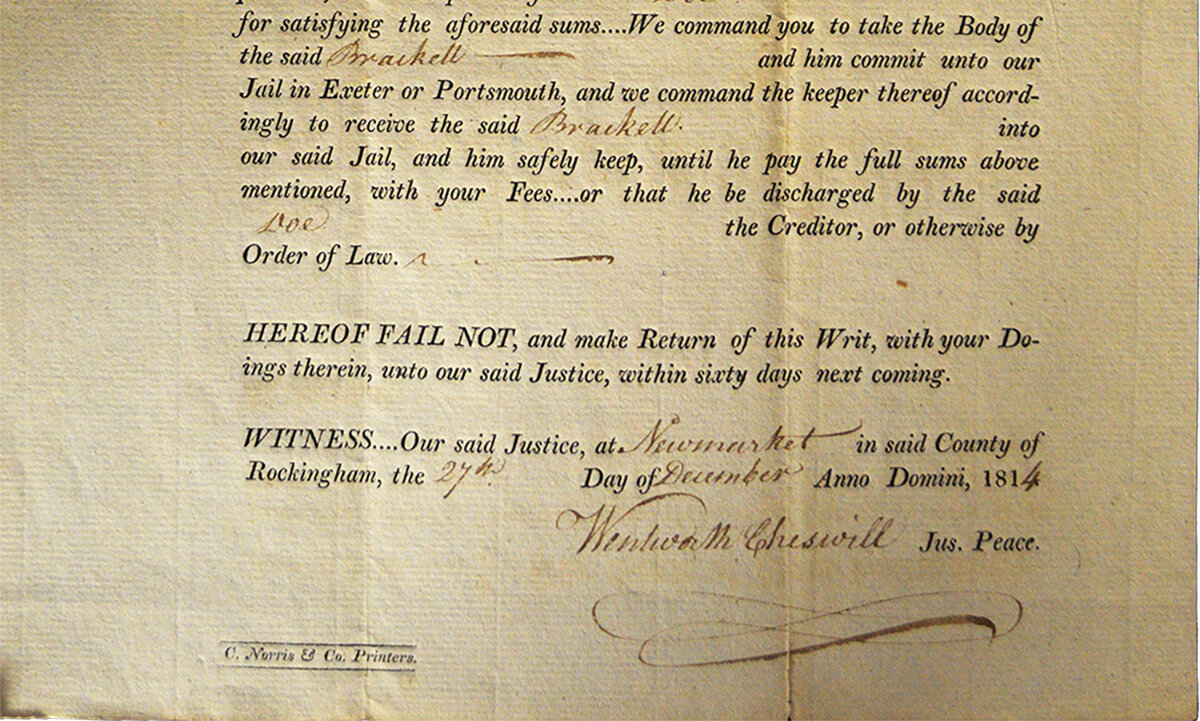
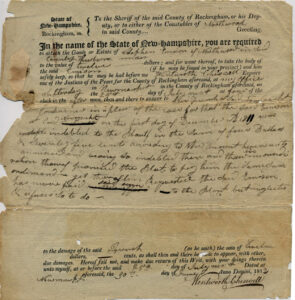
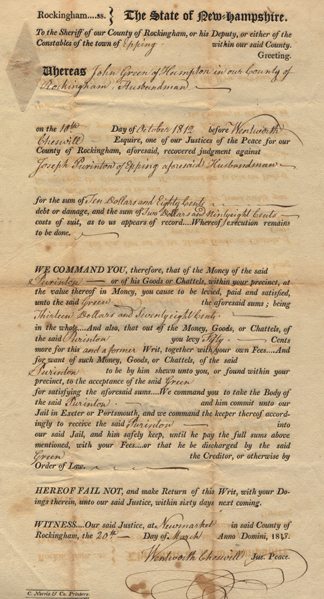
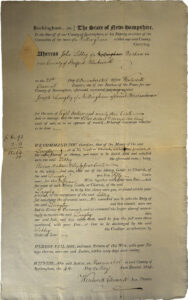

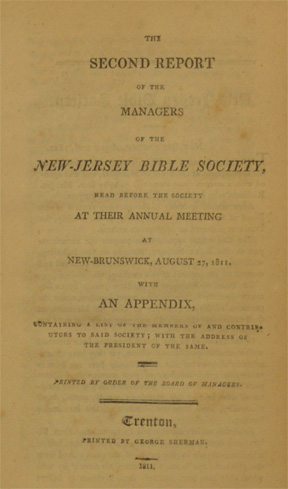
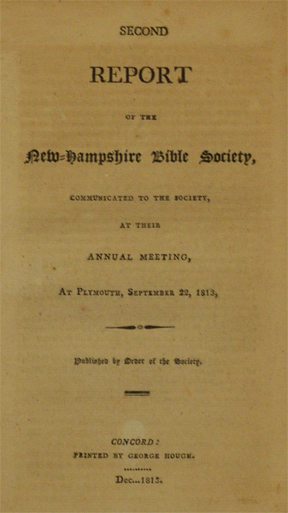
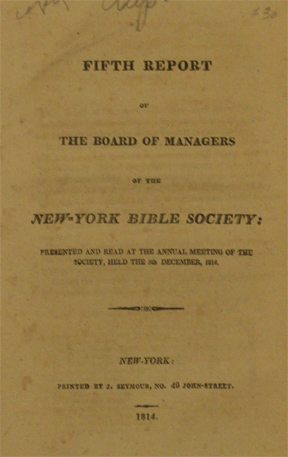
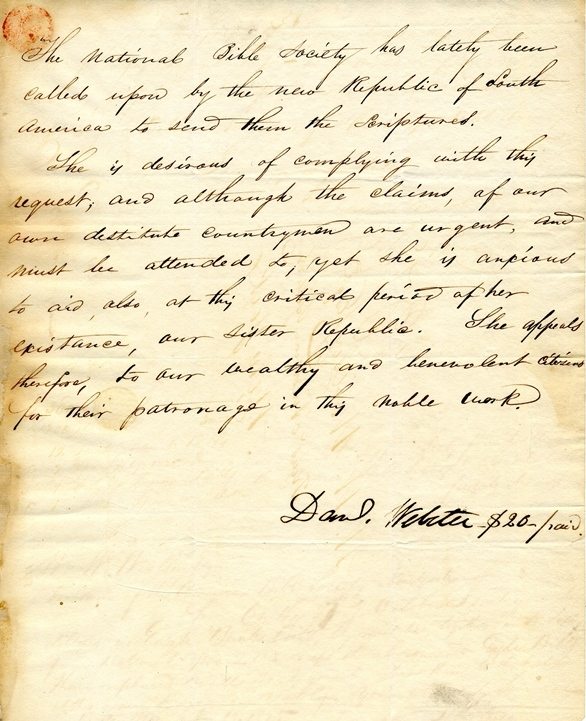
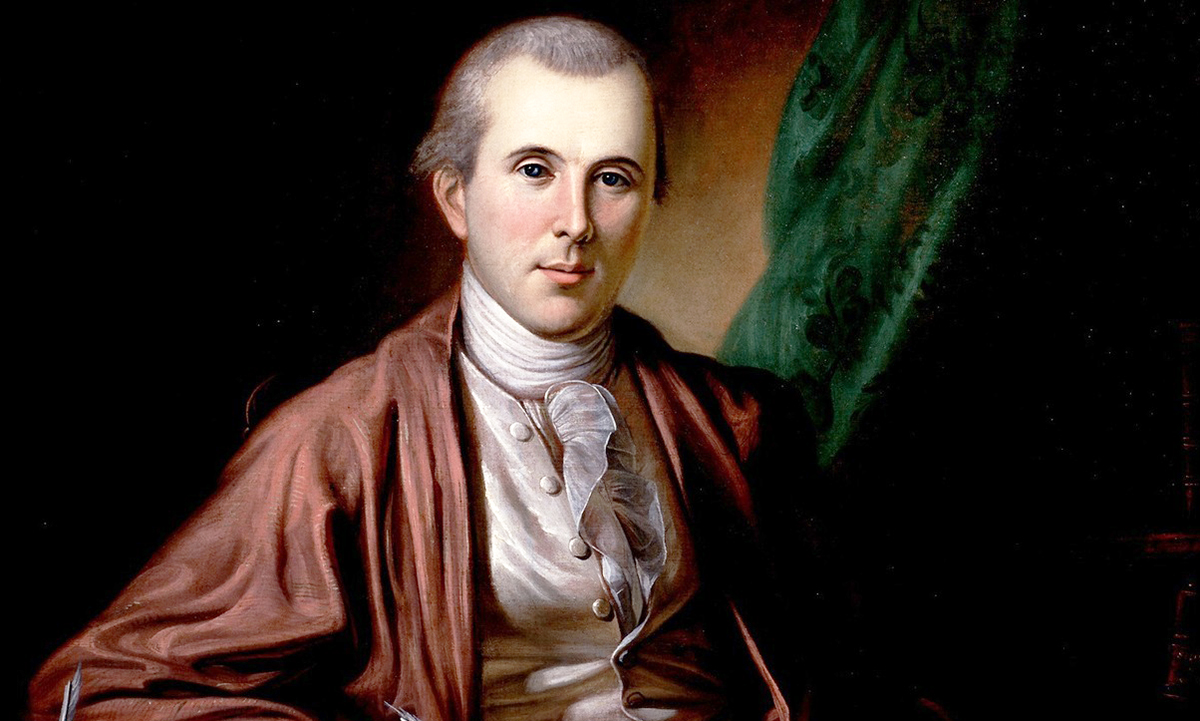

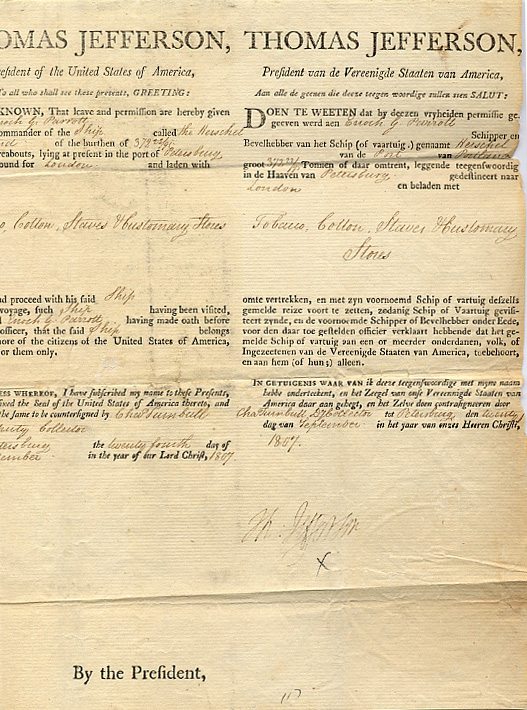
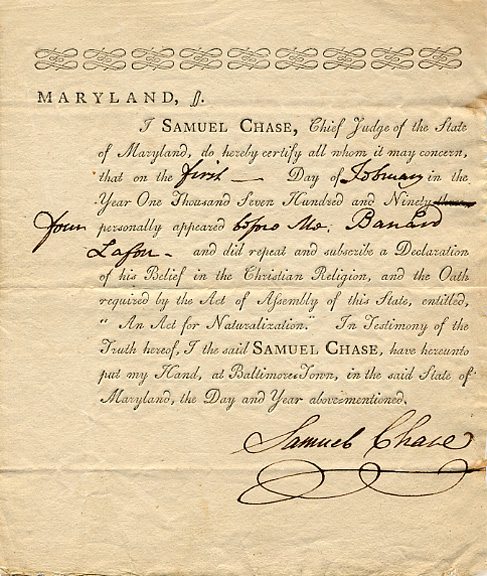 Document Signed, Samuel Chase, August 17, 1793, Baltimore, Maryland