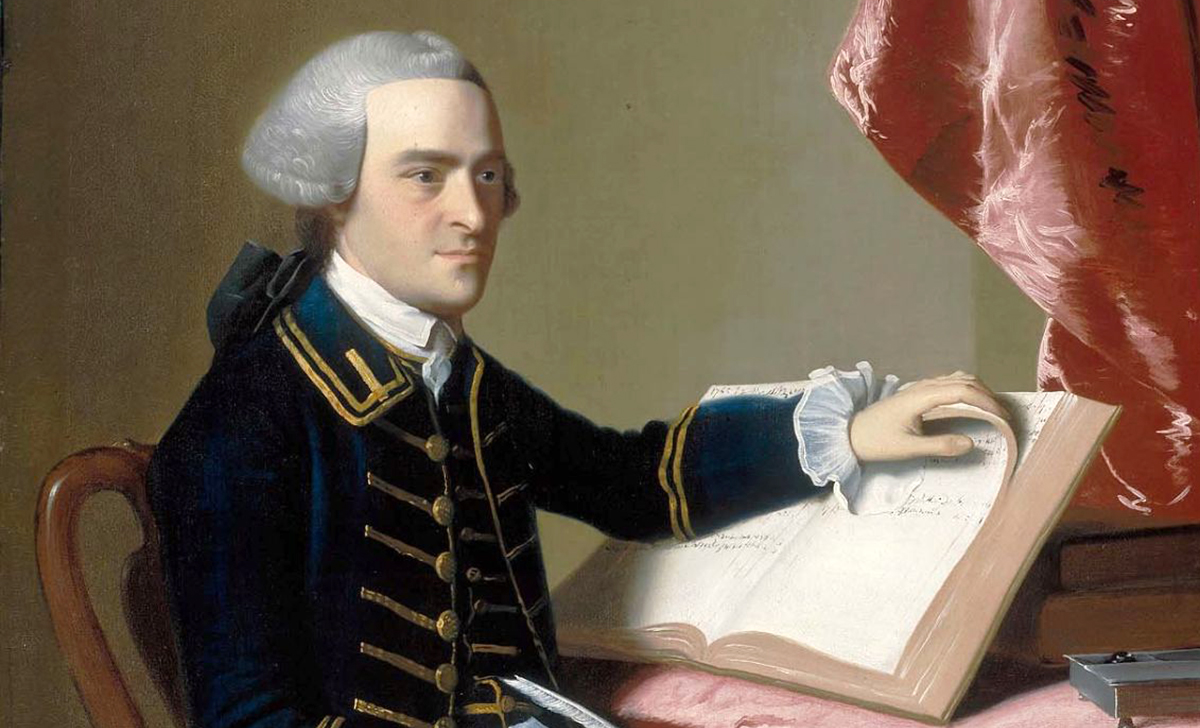
On April 18, 1775, Paul Revere and William Dawes set out to warn militias across the Massachusetts countryside of approaching British troops. These troops had been sent to Concord to confiscate the weapons there and dispatched to “bring back the bodies of Messr. Hancock and Adams.”
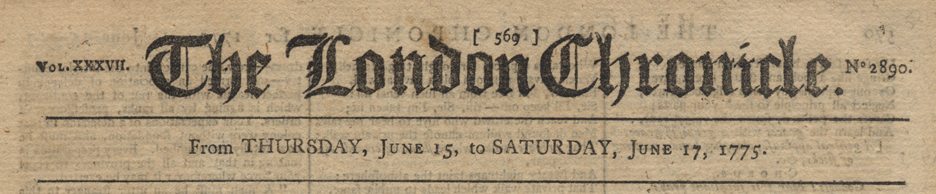
Below is a June 15-17, 1775 newspaper from the WallBuilders library with an account by a soldier in this mission.
The relevant letter excerpts are at the bottom right of this newspaper page.
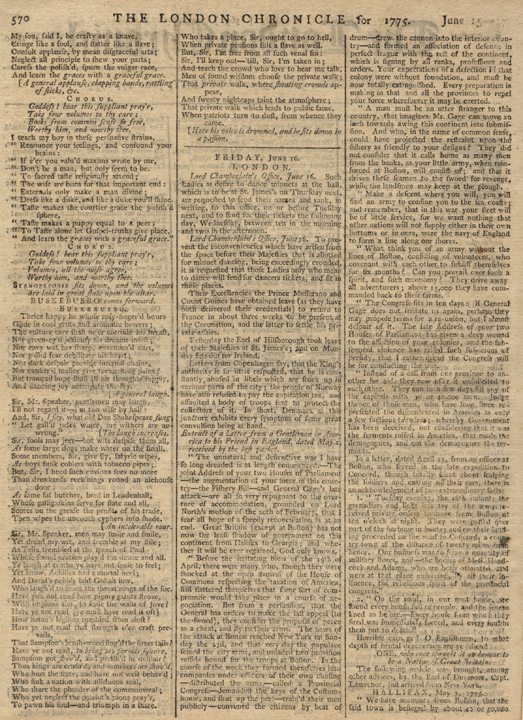
This is the letter as it was printed in the newspaper. Transcript inserted below the picture.
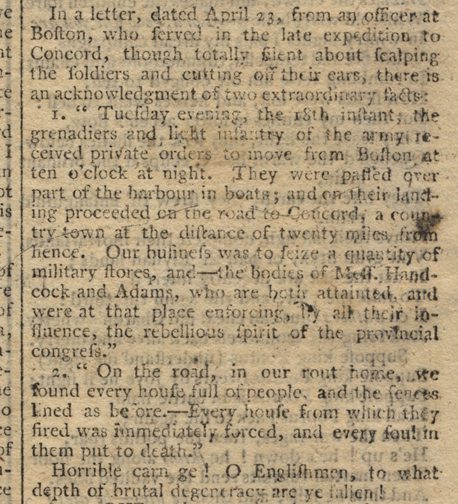
In a letter, dated April 23, from an officer at Boston, who served in the late expedition to Concord, though totally silent about scalping the soldiers, and cutting off their ears, there is an acknowledgment of two extraordinary facts:
1. “Tuesday evening, the 18th instant, the grenadiers and light infantry of the army received private orders to move from Boston at ten o’clock at night. They were passed over part of the harbour in boats; and on their landing proceeded on the road to Concord, a country town at the distance of twenty miles from hence. Our business was to seize a quantity of military stores, and – the bodies of Mess. Handcock and Adams, who are both attainted and were at that place enforcing, by all their influence, the rebellious spirit of the provincial congress.” (emphasis added)
2. “On the road, in our rout home, we found every house full of people, and the fences lined as before. – Every house from which they fired, was immediately forced, and every soul in them put to death.”
Horrible carnage! O, Englishmen, to what depth of brutal degeneracy are ye fallen!
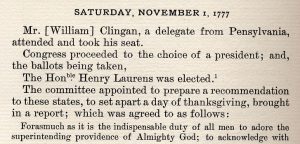
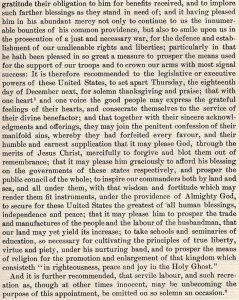 It is therefore recommended to the legislative or executive powers of these United States, to set apart Thursday, the 18th day of December next, for solemn thanksgiving and praise; that with one heart and one voice the good people may express the grateful feelings of their hearts, and consecrate themselves to the service of their divine benefactor; and that together with their sincere acknowledgments and offerings, they may join the penitent confession of their manifold sins, whereby they had forfeited every favor, and their humble and earnest supplication that it may please God, through the merits of Jesus Christ, mercifully to forgive and blot them out of remembrance; that it may please him graciously to afford his blessings on the governments of these states respectively, and prosper the public council of the whole; to inspire our commanders both by land and sea, and all under them, with that wisdom and fortitude which may render them fit instruments, under the providence of Almighty God, to secure for these United States the greatest of all blessings, independence and peace; that it may please him to prosper the trade and manufactures of the people and the labor of the husbandman, that our land may yield its increase; to take schools and seminaries of education, so necessary for cultivating the principles of true liberty, virtue and piety, under his nurturing hand, and to prosper the means of religion for the promotion and enlargement of that kingdom which consisteth in righteousness, peace and joy in the Holy Ghost.