Endnotes
1 “Reverend Robert Hunt: First Chaplain at Jamestown,” National Park Service, accessed March 31, 2026, https://www.nps.gov/jame/learn/historyculture/the-reverend-robert-hunt-the-first-chaplain-at-jamestown.htm; Walter S. Griggs, Jr., Historic Richmond Churches and Synagogues (Charleston: The History Press, 2017), 13-17.
2 “Who was Pocahontas?” Jamestown-Yorktown Foundation, accessed March 31, 2026, https://www.acton.org/religion-liberty/volume-35-number-1/puritan-entrepreneur-do-all-glory-god.
3 Sarah A. Morgan Smith, Brian A. Smith. “The Puritan as Governor: With Consent of the Governed,” January 6, 2025, Acton Institute, https://www.acton.org/puritan-governor-consent-governed.
4 See, for example, “Mayflower Compact,” 1620, The Avalon Project, https://avalon.law.yale.edu/17th_century/mayflower.asp.
5 “America as a Religious Refuge: The Seventeenth Century, Part 1 – Religion and the Founding of the American Republic,” 2019, Library of Congress, https://www.loc.gov/exhibits/religion/rel01.html.
6 Edwin Hall, The Puritans and Their Principles (New York: Baker and Scribner, 1847), 148.
7 Christopher Cameron, “The Puritan Origins of Black Abolitionism in Massachusetts,” Historical Journal of Massachusetts (Summer 2011), 39:1&2:80.
8 Erik W. Matson, “The Puritan as Entrepreneur: Do All to the Glory of God,” January 13, 2025, Acton Institute, https://www.acton.org/religion-liberty/volume-35-number-1/puritan-entrepreneur-do-all-glory-god.
9 “The Mayflower Compact: Civil Body Politick,” November 24, 2015, Mass.gov, https://www.mass.gov/news/the-mayflower-compact.
10 David Rodriguez Sanfiorenzo, “Historical Foundations of Education in the United States: Colonial America to Reconstruction,” August 30, 2021, Introduction to Education, https://uen.pressbooks.pub/introtoeducation/chapter/historical-foundations-colonial-america-to-reconstruction-eese-2010-introduction-to-education/.
11 William S. Russell, Guide to Plymouth and Recollections of the Pilgrims (Boston: George Coolidge, 1846), 95.
12 William Bradford, History of Plymouth Plantation, ed. Charles Deane (Boston: 1854), 142.
13 Bradford, History, ed. Deane (1854), 142.
14 “A Day of Thanksgiving, Summer 1623,” September 28, 2023, Plimoth Patuxet Museums, https://plimoth.org/yath/unit-4/a-day-of-thanksgiving-summer-1623.
15 William Love, Fast and Thanksgiving Days of New England (Boston: Houghton, Mifflin and Company, 1895), 446-447.
16 David Ammerman and Ronald Howard, “The Great Puritan Migration,” 2022, EBSCO Research, https://www.ebsco.com/research-starters/history/great-puritan-migration.
17 John Winthrop, “A Model of Christian Charity,” A Library of American Literature: Early Colonial Literature, 1607-1675, eds. Edmund Clarence Stedman & Ellen Mackay Hutchinson (New York: 1892), 304-307.
18 John F. Kennedy, “The City upon a Hill Speech,” January 9, 1961, JFK Library, https://www.jfklibrary.org/learn/about-jfk/historic-speeches/the-city-upon-a-hill-speech.
19 Ronald Reagan, “Farewell Address to the Nation,” January 11, 1989), The American Presidency Project, https://www.presidency.ucsb.edu/documents/farewell-address-the-nation.
20 Frank Lambert, “‘Pedlar in Divinity’: George Whitefield and the Great Awakening, 1737-1745,” Journal of American History (December 1, 1990), 77:3:824-825; Leonard Woolsey Bacon, A History of American Christianity, The American Church History Series (The Christian Literature Co., New York, 1897), 175-176.
21 Susan O’Brien, “A Transatlantic Community of Saints: The Great Awakening and the First Evangelical Network, 1735-1755,” The American Historical Review (October 1, 1986), 91:4:825; Clinton Rossiter, “The Life and Mind of Jonathan Mayhew,” The William and Mary Quarterly (October 1, 1950), 7:4:532.
22 Gilbert Tennent to Benjamin Franklin, September 22, 1741, National Archives, https://founders.archives.gov/documents/Franklin/01-02-02-0077.
23 Wesley M. Gewehr, The Great Awakening in Virginia (Duke University Press, Durham, 1930), 188.
24 “Eleazar Wheelock: Preacher, Dartmouth College Founder,” September 21, 2023, Connecticut History, https://connecticuthistory.org/eleazar-wheelock-preacher-dartmouth-college-founder/.
25 Alice M. Baldwin, New England Clergy and the American Revolution, (New York: G.E. Stechert & Co., 1928), 170.
26 Stephen Mansfield, Forgotten Founding Father: The Heroic Legacy of George Whitefield (Nashville: Cumberland House, 2001), 86; John Adams to Thomas Jefferson, December 3, 1813, National Archives, https://founders.archives.gov/documents/Jefferson/03-07-02-0008.
27 Dan Landrigan, “Duc D’Anville Sails for New England in 1746 to Burn the Town of Boston,” October 28, 2025, New England Historical Society, https://newenglandhistoricalsociety.com/duc-danville-sails-for-new-england-in-1746-to-burn-the-town-of-boston/.
28 Dan Landrigan, “Duc D’Anville Sails for New England in 1746 to Burn the Town of Boston,” October 28, 2025, New England Historical Society, https://newenglandhistoricalsociety.com/duc-danville-sails-for-new-england-in-1746-to-burn-the-town-of-boston/.
29 Catherine Drinker Bowen, John Adams and the American Revolution (Boston: Little, Brown, and Company, 1951), 10-11.
30 Dan Landrigan, “Duc D’Anville Sails for New England in 1746 to Burn the Town of Boston,” October 28, 2025, New England Historical Society, https://newenglandhistoricalsociety.com/duc-danville-sails-for-new-england-in-1746-to-burn-the-town-of-boston/.
31 Bowen, John Adams (1951), 10-11.
32 Thomas Prince, The Salvations of God in 1746. In Part Set Forth in a Sermon at the South Church in Boston, Nov. 27, 1746 (Boston: D. Henchman, 1746).
33 Henry Wadsworth Longfellow, “A Ballad of the French Fleet,” October, 1746, Maine Historical Society, https://www.hwlongfellow.org/poems_poem.php?pid=239.
34 “The Battle of the Monongahela, July 9, 1755,” updated April 14, 2025, American Battlefield Trust, https://www.battlefields.org/learn/articles/battle-monongahela-july-9-1755.
35 “The Battle of the Monongahela, July 9, 1755,” updated April 14, 2025, American Battlefield Trust, https://www.battlefields.org/learn/articles/battle-monongahela-july-9-1755.
36 George Washington to John Augustine Washington, July 18, 1755, The Writings of George Washington, ed. John C. Fitzpatrick (Washington: Government Printing Office, 1931), 1:152.
37 Samuel Davies, Religion and Patriotism: The Constituents of a Good Soldier. A Sermon Preached to Captain Overton’s independnet company of volunteers, raised in Hanover County, Virginia, August 17, 1755 (Philadelphia: 1756), 10n.
38 George Washington to Lucretia Wilhelmina Van Winter, March 30, 1785, National Archives, https://founders.archives.gov/documents/Washington/04-02-02-0330.
39 John Adams to Abigail Adams, September 16, 1774, Letters of John Adams, Addressed to His Wife, ed. Charles Francis Adams (Boston: Charles C. Little and James Brown, 1841), I:23.
40 John Adams to Abigail, September 16, 1774, Letters of John Adams (1841), I:23-24.
41 Speech delivered in the Supreme Court on February 20, 1844, The Works of Daniel Webster (Boston: Little, Brown and Company, 1860), VI:162.
42 “Days of Fasting, Days of Thanksgiving: The Continental Congress Marks Revolutionary War Watersheds,” March 20, 2026, US House of Representatives: History, Art & Archives, https://history.house.gov/Blog/2026/March/3-20-Fasting-Thanksgiving/.
43 John Hancock, “A Proclamation for a Day of Fasting and Prayer,” Independent Chronicle and the Universal Advertiser (March 26, 1789), 1; John Hancock, “A Proclamation for a Day of Fasting, Humiliation and Prayer,” April 25, 1782, Evans #17593; John Hancock, “A Proclamation for a Day of Public Fasting and Prayer,” May 15, 1783, Evans #18024; John Hancock, “A Proclamation for a Day of Humiliation, Fasting, and Prayer,” April 17, 1788, Evans #21236; John Hancock, “A Proclamation for a Day of Fasting and Prayer,” March 31, 1797, Evans #23549; John Hancock, “A Proclamation for a Day of Fasting, Humiliation, and Prayer,” March 29, 1792, Evans #24519; John Hancock, “A Proclamation for a Day of Public Fasting, Humiliation and Prayer,” April 11, 1793, Broadside in the WallBuilders Collection.
44 See, for example, Fast Day Proclamation issued by Governor Samuel Adams, Massachusetts, March 20, 1797, in WallBuilders Collection; Samuel Adams, The Writings of Samuel Adams, ed. Harry Alonzo Cushing (New York: G. P. Putnam’s Sons, 1908), IV:407; Samuel Adams, A Proclamation For a Day of Public Fasting, Humiliation and Prayer, Governor of Massachusetts, from an original broadside in WallBuilders collection; Samuel Adams, Writings, IV:385; Samuel Adams, Proclamation for a Day of Fasting and Prayer, March 10, 1793; Samuel Adams, Proclamation for a Day of Fasting and Prayer, March 15, 1796.
45 “Draft of a Proclamation by George Washington, [1 January 1795],” National Archives, https://founders.archives.gov/documents/Hamilton/01-18-02-0003.
46 James Madison, ”A Proclamation for a Day of Public Prayer,” Connecticut Mirror (July 20, 1812), 3; James Madison, “A Proclamation for a Day of Public Prayer,” July 23, 1813, Independent Chronicle (July 29, 1813), 3–4; James Madison, “A Proclamation for a Day of Humiliation, Fasting and Prayer,” January 12, 1815, The Yankee (November 25, 1814), 2.
47 James Madison’s Notes on the Convention, June 28, 1787, Max Farrand, The Records of the Federal Convention of 1787 (New Haven: Yale University Press, 1911), I:450-452
48 John Langdon, “A Proclamation for a Day of Public Fasting and Prayer,” April 6, 1786, Evans #19824.
49 William Livingston, “A Proclamation for a Day of Fasting and Humiliation,” January 17, 1777, The Papers of William Livingston, ed. Carl E. Prince (New Jersey Historical Commission, 1979), I:200.
50 United States Oracle (Portsmouth, NH), May 24, 1800.
51 Thomas Mifflin, A Proclamation for a Day of Humiliation, Thanksgiving, and Prayer, issued November 14, 1793, published in Dunlap’s American Daily Advertiser (December 6, 1793), from WallBuilders Collection.
52 John Dickinson, “A Proclamation for a Day of Public Prayer,” November 19, 1781, Evans #17134.
53 John Adams, “A Proclamation for a Day of Solemn Humiliation, Fasting and Prayer,” May 9, 1798, Russell’s Commercial Gazette (April 4, 1798); John Adams, “A Proclamation for a Day of Humiliation, Fasting and Prayer,” March 6, 1799, The Works of John Adams, ed. Charles Francis Adams (Boston: Little, Brown, and Company, 1854), 9:572.
54 Thomas Jefferson, “Resolution of the House of Burgesses Designating a Day of Fasting and Prayer, 24 May 1774,” The Papers of Thomas Jefferson, ed. Julian P. Boyd (Princeton: Princeton University Press, 1950), 1:105–107.
55 Josiah Bartlett, Proclamation for a Day of Fasting and Prayer, March 17, 1792.
56 Caesar Rodney, “A Proclamation for a Day of Fasting, Humiliation, and Prayer,” May 6, 1779, Evans #43623.
57 Oliver Wolcott to Laura Wolcott, April 10, 1776, Letters of Delegates to Congress: 1774-1789, ed. Paul H. Smith (Washington: Library of Congress, 1978), 3:502-503.
58 Samuel Huntington, “A Proclamation for a Day of Fasting, Humiliation, and Prayer,” April 17, 1788, Evans #21761; Samuel Huntington, “A Proclamation for a Day of Fasting, Humiliation, and Prayer,” Pennsylvania Packet or General Advertiser, March 4, 1780, 3; Samuel Huntington, “A Proclamation for a Day of Fasting, Humiliation, and Prayer,” March 31, 1791, Evans #23284; Samuel Huntington, “A Proclamation for a Day of Fasting, Humiliation, and Prayer,” April 12, 1792, Evans #24218; Samuel Huntington, “A Proclamation for a Day of Humiliation, Fasting and Prayer,” April 17, 1793, Dunlap’s Daily American Advertiser, March 30, 1793, 3; Samuel Huntington, “A Proclamation for a Day of Fasting, Humiliation, and Prayer,” April 22, 1789, Evans #21018; Samuel Huntington, “Proclamation for a Day of Fasting, Humiliation, and Prayer,” March 28, 1789, from Broadside in the WallBuilders Collection.
59 Elbridge Gerry, Proclamation for a Day of Thanksgiving and Praise, October 24, 1810, from a proclamation in our possession; Elbridge Gerry, Proclamation for a Day of Fasting and Prayer, March 13, 1811, from a proclamation in the WallBuilders Collection; Shaw #23317; Elbridge Gerry, Proclamation for a Day of Fasting and Prayer, March 6, 1812, from a proclamation in the WallBuilders Collection; Shaw #26003.
60 William B. Reed, Life and Correspondence of Joseph Reed (Philadelphia: Lindsay and Blakiston, 1847), II:36-37.
61 George Washington to Lucretia Wilhelmina Van Winter, March 30, 1785, Founders Online.
62 “A History of Regulations in the United States Navy.” 1947, U.S. Naval Institute, https://www.usni.org/magazines/proceedings/1947/november/history-regulations-united-states-navy.
63 “Dominion of Providence Over the Passions of Men,” 1776, Online Library of Liberty, https://oll.libertyfund.org/pages/1776-witherspoon-dominion-of-providence-over-the-passions-of-men-sermon.
64 Washington, “General Orders,” May 2, 1778, Writings of Washington, ed. Fitzpatrick (1934), 11:343; Washington, “General Orders,” August 3, 1776, Writings of Washington, ed. Fitzpatrick (1932), 5:367; Washington, “General Orders,” February 26, 1776, Writings of Washington, ed. Fitzpatrick (1931), 4:347.
65 “General Orders No. 100: The Lieber Code,” April 1863, The Avalon Project, https://avalon.law.yale.edu/19th_century/lieber.asp.
66 George Washington Parke Custis, Recollections and Private Memoirs of Washington, by His Adopted Son (New York: Derby & Jackson, 1860), 190-192; Earl Cornwallis to Sir Henry Clinton, October 20, 1781, Correspondence of Charles, First Marquis Cornwallis, ed. Charles Ross (London: John Murray, 1859), 129; October 24, 1781, Journals of the American Congress: from 1774 to 1788 (Washington: Way and Gideon, 1823), III:679.
67 See, for example, Jerry Newcombe, “God’s Providence at Christmastime 1776,” March 13, 2024, Providence Forum, https://providenceforum.org/blog/gods-providence-at-christmastime-1776/.
68 George Washington to Brigadier General Thomas Nelson, Jr., 20 August 1778, National Archives, https://founders.archives.gov/documents/Washington/03-16-02-0373.
69 George Washington to James Madison, March 31, 1787, National Archives, https://founders.archives.gov/documents/Washington/04-05-02-0111; George Washington to David Humphreys, October 10, 1787, National Archives, https://founders.archives.gov/documents/Washington/04-05-02-0333.
70 “Convention and Ratification – Creating the United States,” Library of Congress, accessed March 31, 2026, https://www.loc.gov/exhibits/creating-the-united-states/convention-and-ratification.html.
71 “Franklin’s Proposal for Prayer,” June 28, 1787, National Park Service, https://www.nps.gov/articles/constitutionalconvention-june28.htm.
72 “Convention: A Daily Journal – Thursday, June 28, 1787,” 2020, Center for Civics Education, www.cui.edu/centers-institutes/center-for-civics-education/convention-a-daily-journal/post/thursday-june-28-1787.
73 George Washington, diary entry for July 4, 1787, The Writings of George Washington, ed. Worthington Chauncey Ford (New York: G. P. Putnam’s Sons, 1891), XI:148.
74 The Massachusetts Centinel (August 15, 1787), 1.
75 See, for example, a comparison with other national constitutions in David & Tim Barton, The American Story: The Beginnings (Aledo, TX: WallBuilder Press, 2024), 357-358, n64.
76 “Treaty of Paris (1783),” March 6, 2025, National Archives, https://www.archives.gov/milestone-documents/treaty-of-paris.
77 “Resignation of Military Commission,” 2024, George Washington’s Mount Vernon, www.mountvernon.org/library/digitalhistory/digital-encyclopedia/article/resignation-of-military-commission.
78 George Washington to The States, June 8, 1783, National Archives, https://founders.archives.gov/documents/Washington/99-01-02-11404.
79 George Washington to The States, June 8, 1783, National Archives, https://founders.archives.gov/documents/Washington/99-01-02-11404.
80 The Jewish Encyclopedia (New York: Funk and Wagnalls Company, 1907), XI:160, “Gershom Mendez Seixas.”
81 The History of the Centennial Celebration of George Washington as First President of the United States, ed. Clarence Winthrop Bowen (New York: D. Appleton and Company, 1892), 51-52; George Washington, April 30, 1789, James D. Richardson, A Compilation of the Messages and Papers of the Presidents (Published by Authority of Congress, 1897), 1:44-45; The Daily Advertiser (New York: April 23, 1789), 2; April 29, 1789, The Debates and Proceedings in the Congress of the United States, ed. Joseph Gales (Washington: Gales and Seaton, 1834), I:231-232; George Bancroft, History of the Formation of the Constitution of the United States of America (New York: D. Appleton and Company, 1882), II:363.
82 “First and Second Inaugurals,” 2024, George Washington’s Mount Vernon, https://www.mountvernon.org/library/digitalhistory/digital-encyclopedia/article/first-and-second-inaugurals.
83 December 4, 1800, Debates and Proceedings in the Congress of the United States (Washington: Gales and Seaton, 1853), 797, Sixth Congress.
84 Federal Orrery (Boston, July 2, 1795), 2.
85 Bishop Claggett’s (Episcopal Bishop of Maryland) letter of February 18, 1801, reveals that, as vice-President, Jefferson went to church services in the House. Available in the Maryland Diocesan Archives; Margaret Smith, The First Forty Years of Washington Society (New York: Charles Scribner’s Sons, 1906), 13; James Hutson, Religion and the Founding of the American Republic (Washington, DC: Library of Congress, 1998), 84.
86 Hutson, Religion and the Founding (1998), 91.
87 William C. Allen, A History of the United States Capitol, A Chronicle of Design, Construction, and Politics (Washington, D. C.: Government Printing Office, 2001), 271.
88 Mrs. Samuel Harrison Smith (Margaret Bayard), The First Forty Years of Washington Society, ed. Galliard Hunt (New York: Charles Scribner’s Sons, 1906), 15.
89 Thomas W. Jodziewicz, “Bishop John England: A Catholic Apologist at the United States Capitol,” American Catholic Studies (2010), 121:1:29–50.
90 “The First African American to Speak in the House Chamber,” US House of Representatives: History, Art & Archives, accessed April 7, 2026, https://history.house.gov/HistoricalHighlight/Detail/35139.
91 Stephen Ruiz, “The Former Slave Who Stole a Confederate Ship to Achieve His Family’s Freedom, June 16, 2025, Military.com, https://www.military.com/history/former-slave-who-stole-confederate-ship-achieve-his-familys-freedom.html.
92 Okon Edet Uya, From Slavery to Public Service: Robert Smalls, 1839-1915 (New York: Oxford University Press, 1971), 15.
93 “The Black Hero of the Planter Among His People,” The Evening Post (New York: October 7, 1862), from WallBuilders Collection, https://wallbuilders.com/resource/robert-smalls-honored-with-medal/.
94 William K. Donaldson, “Robert Smalls and the Steamship Planter: Turning the Tides for the Union Military in the Civil War,” The Gettysburg College Journal of the Civil War Era (2020), 10:5:15.
95 “Robert Smalls,” updated June 26, 2025, National Park Service, https://www.nps.gov/people/robert-smalls.htm.
96 Abraham Lincoln, “Proclamation 97—Appointing a Day of National Humiliation, Fasting, and Prayer,” March 30, 1863, The American Presidency Project, https://www.presidency.ucsb.edu/node/203143.
97 “Gettysburg Address,” Abraham Lincoln Presidential Library and Museum, accessed April 8, 2026, https://presidentlincoln.illinois.gov/exhibits/online-exhibits/gettysburg-address-everett-copy/.
98 Andersonville National Historic Site, “History of the Andersonville Prison,” December 11, 2024, National Park Service, https://www.nps.gov/ande/learn/historyculture/camp_sumter_history.htm.
99 Andersonville National Historic Site, “History of the Andersonville Prison,” December 11, 2024, National Park Service, https://www.nps.gov/ande/learn/historyculture/camp_sumter_history.htm.
100 John L. Maile, Prison Life in Andersonville: With Special Reference to the Opening of Providence Spring (Los Angeles: Grafton publishing Company, 1912), 61-71.
101 “The First African American to Speak in the House Chamber: February 12, 1865” United States House of Representatives, accessed April 8, 2026, https://history.house.gov/HistoricalHighlight/Detail/35139.
102 “The Thirteenth Amendment: January 31, 1865,” United States House of Representatives, accessed April 8, 2026, https://history.house.gov/HistoricalHighlight/Detail/36815.
103 “Second Inaugural Address of Abraham Lincoln,” March 4, 1865, The Avalon Project, https://avalon.law.yale.edu/19th_century/lincoln2.asp.
104 Frederick Douglass, Life and times of Frederick Douglass, Written by Himself (Hartford: Park Publishing Co., 1881), 369.
105 Ronald C. White, Jr., “Lincoln and Divine Providence,” Response: The Seattle Pacific University Magazine (Summer 2006), 29:3, https://spu.edu/depts/uc/response/summer2k6/features/lincoln.asp.
106 “Congressional Record: Senate (Washington D. C.: Government Printing Office), Vol. 151, Issue 148 (November 9, 2005), Senator James Inhofe, “Sec. 1073. Prayer at Military Service Academy Activities.”
107 See: “Typewritten Statement by Woodrow Wilson on the Bible, Framed,” Museum of the Bible, accessed April 9, 2026, https://collections.museumofthebible.org/artifacts/34440-typewritten-statement-by-woodrow-wilson-on-the-bible-framed; “Colonel Roosevelt’s message to the troops,” Theodore Roosevelt Center, accessed April 9, 2026, https://www.theodorerooseveltcenter.org/digital-library/o284904/; General Pershing’s Message to the Troops in a 1918 New Testament, Kentucky Historical Society, https://kyhistory.pastperfectonline.com/Webobject/AF7DD51E-412E-48F3-9041-615064940182; The New Testament of Our Lord and Saviour Jesus Christ (New York: American Bible Society, 1917).
108 See: “D-Day and the Bible in War,” Museum of the Bible, accessed April 9, 2026, https://www.museumofthebible.org/magazine/collections/d-day-and-bibles-in-war; Colonel Ron Ray, Endowed by Their Creator (Crestwood, KY: First Principles Press, 2013), passim; The Armed Forces Prayer Book, ed. Daniel A. Poling (New York: Prentice-Hall, Inc., 1951), 1, 12-13, 52, and passim; The New Testament of Our Lord and Saviour Jesus Christ (Washington: United States Government Printing Office, 1942).
109 The New Testament of Our Lord and Saviour Jesus Christ (Racine, WI: Whitman Publishing Company, 1942); John Phillips’ story, “Heart Shield Bibles,” June 7, 2021, Museum of the Bible, https://www.museumofthebible.org/book-minute/heart-shield-bibles; George Ferris’ account, “May This Keep You Safe From Harm,” February 28, 2002, 87thinfantry.org, https://87thinfantry.org/articles/?&id=1645111110&search=May%20This%20Keep#single.
110 4 U.S. Code § 7 (c).
111 “Movie: Sergeant York,” Sergeant York Patriotic Foundation, accessed April 9, 2026, https://sgtyork.org/movie.
112 “Chaplain Corps History: The Four Chaplains,” January 28, 2014, US Army, https://www.army.mil/article/34090/Chaplaincy_History__The_four_chaplains/.
113 “Fact Sheet: Four Chaplains,” WWII Informational Fact Sheets (Washington, DC: Department of Defense, 1995), 13-14.
114 “Chaplain Corps History: The Four Chaplains,” January 28, 2014, US Army, https://www.army.mil/article/34090/Chaplaincy_History__The_four_chaplains/.
115 “Chaplain Corps History: The Four Chaplains,” January 28, 2014, US Army, https://www.army.mil/article/34090/Chaplaincy_History__The_four_chaplains/.
116 “Fact Sheet: Four Chaplains,” WWII Informational Fact Sheets (1995), 14.
117 “Resolution No. 229: All Members of the American Legion Participate in Back to God Program,” August 1952, American Legion Digital Archive, https://archive.legion.org/node/88.
118 “FDR’s D-Day Prayer,” The National WWII Museum, https://www.nationalww2museum.org/war/articles/franklin-d-roosevelts-d-day-prayer-june-6-1944.
119 “From the Museum: Gifts from the Roosevelts,” May 29, 2015, Franklin D. Roosevelt Presidential Library, https://fdr.blogs.archives.gov/2012/12/21/from-the-museum-46/.
120 “Battle of the Bulge,” December 4, 2001, The National WWII Museum, https://www.nationalww2museum.org/war/topics/battle-bulge.
121 Evan Andrews, “8 Things You May Not Know About the Battle of the Bulge,” August 22, 2023, History.com, https://www.history.com/articles/8-things-you-may-not-know-about-the-battle-of-the-bulge
122 Lt. Col. Jack Widmer, “Patton’s Talk With God,” True: The Man’s Magazine (December 1947), 109-110.
123 Larry Newman, “What the Hell is All the Mourning About? (December 24-29, 1944),” Nathaniel Lande, Dispatches from the Front: A History of the American War Correspondent (New York: Oxford University Press, 1998), 248-252; James H. O’Neil, “The True Story of the Patton Prayer,” The Army Chaplaincy (Department of the Army: Spring 1995), 25, reprint of a 1950 US Government Printing Office original; Note by Col. Paul D. Harkins, George S. Patton Jr., War as I Knew It (Boston: Houghton, Mifflin, Company, 1947), 185-186.
124 Lt. Col. Jack Widmer, “Patton’s Talk With God,” True: The Man’s Magazine (December 1947), 112.
125 “Inaugurations,” January 12, 2026, Eisenhower Presidential Library, https://www.eisenhowerlibrary.gov/eisenhowers-presidential-years/inaugurations.
126 Diane Winston, “The History of the National Prayer Breakfast,” February 2, 2017, Smithsonian Magazine, https://www.smithsonianmag.com/history/national-prayer-breakfast-what-does-its-history-reveal-180962017/.
127 Dwight Eisenhower, “Statement by the President Upon Signing Bill To Include the Words “Under God” in the Pledge to the Flag,” June 14, 1954, The American Presidency Project, https://www.presidency.ucsb.edu/documents/statement-the-president-upon-signing-bill-include-the-words-under-god-the-pledge-the-flag.
128 Law passed on July 11, 1955, https://www.govinfo.gov/content/pkg/STATUTE-69/pdf/STATUTE-69-Pg290-2.pdf.
129 “An Act in Amendment of an Act Entitled ‘An Act Relating to Foreign Coins and the Coinage at the Mint of the United States,’ Approved February Twenty-One, Eighteen Hundred and Fifty-Seven,” April 22, 1864, The Statutes at Large and Proclamations of the United States of America, ed. George P. Sanger (Boston: Little, Brown and Company, 1866), XIII:54-55.
130 Law passed on July 30, 1956, https://www.law.cornell.edu/uscode/text/36/302.
131 The Prayer Room in the United States Capitol (Washington, DC: United States Government Printing Office, 1956).
132 Introduction to Manuscript Collections, Dwight D. Eisenhower Presidential Library, accessed April 9, 2026, https://www.eisenhowerlibrary.gov/sites/default/files/research/subject-guides/pdf/eisenhower-religion.pdf.
133 “Letter From Birmingham Jail by Martin Luther King Jr.,” April 16, 1963, Bill of Rights Institute, https://billofrightsinstitute.org/primary-sources/letter-from-birmingham-jail/.
134 “Birmingham Campaign,” The Martin Luther King, Jr. Research and Education Institute, accessed March 31, 2026, https://kinginstitute.stanford.edu/birmingham-campaign.
135 “Birmingham Campaign,” The Martin Luther King, Jr. Research and Education Institute, accessed March 31, 2026, https://kinginstitute.stanford.edu/birmingham-campaign.
136 “Birmingham Campaign,” The Martin Luther King, Jr. Research and Education Institute, accessed March 31, 2026, https://kinginstitute.stanford.edu/birmingham-campaign.
137 “Birmingham Campaign,” The Martin Luther King, Jr. Research and Education Institute, accessed March 31, 2026, https://kinginstitute.stanford.edu/birmingham-campaign.
138 Alabama Clergymen’s Letter to Dr. Martin Luther King, Jr., April 12, 1963, https://www.samford.edu/arts-and-sciences/files/History/Statement-and-Response-King-Birmingham.pdf.
139 “White House Tour Omits Rare ’63 Christmas Card,” December 23, 2007, NBC News, https://www.nbcnews.com/id/wbna22371826.
140 “White House Tour Omits Rare ’63 Christmas Card,” December 23, 2007, NBC News, https://www.nbcnews.com/id/wbna22371826.
141 “Apollo 1,” July 26, 2021, National Air and Space Museum, https://airandspace.si.edu/explore/stories/apollo-missions/apollo-1.
142 Carol Mersch, “Religion, Space Exploration, and Secular Society,” Astropolitics (January 1, 2013), 11:1-2:68.
143 Grace Chung, “His Cosmic Ministry: John Stout, Aerospace Ministries, and the Lunar Bible Project,” Princeton Historical Review, accessed March 31, 2026, https://history.princeton.edu/undergraduate/princeton-historical-review/issue-22-23/his-cosmic-ministry.
144 “Apollo 8’s Christmas Eve, 1968 Message,” YouTube, https://www.youtube.com/watch?v=ToHhQUhdyBY.
145 Buzz Aldrin & Ken Abraham, Magnificent Desolation: The Long Journey Home from the Moon (New York: Harmony Books, 2009), 26-27.
146 First Presbyterian Church of Tulsa, “Lunar Bible Story,” YouTube, https://www.youtube.com/watch?v=fJSQ8r__opQ.
147 Chung, “His Cosmic Ministry,” Princeton Historical Review, https://history.princeton.edu/undergraduate/princeton-historical-review/issue-22-23/his-cosmic-ministry.
148 Chung, “His Cosmic Ministry,” Princeton Historical Review, https://history.princeton.edu/undergraduate/princeton-historical-review/issue-22-23/his-cosmic-ministry.
149 Ben Evans, “Rovering Across the Moon During Apollo 15,” August 9, 2019, RocketSTEM, https://www.rocketstem.org/2015/07/07/rovering-across-the-moon-during-apollo-15/.
150 “President’s Remarks at National Day of Prayer and Remembrance,” September 20, 2001, George W. Bush White House, https://georgewbush-whitehouse.archives.gov/news/releases/2001/09/20010914-2.html and https://www.georgewbushlibrary.gov/explore/exhibits/9-11-the-steel-of-american-resolve#14.
151 See, for example, “Why Do People Persist in Denying the Moon Landings?,” April 1, 2010, National Air and Space Museum, https://airandspace.si.edu/stories/editorial/why-do-people-persist-denying-moon-landings; “What do astronomers say about Moon landing deniers? Batting down the conspiracy theory with an assist from the 1969 Miracle Mets,” July 17, 2023, The Conversation, https://theconversation.com/what-do-astronomers-say-about-moon-landing-deniers-batting-down-the-conspiracy-theory-with-an-assist-from-the-1969-miracle-mets-207300; Mike Carmon, “The History of Moon Landing Denialism, and Why It Persists Today,” September 5, 2025, Meteored US, https://www.theweather.com/news/science/the-history-of-moon-landing-denialism-and-why-it-persists-today.html.
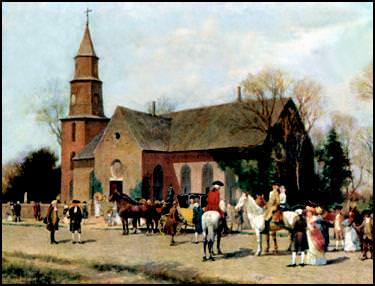
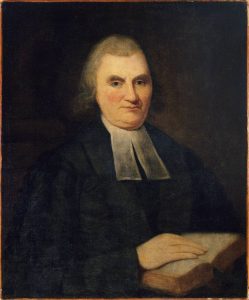
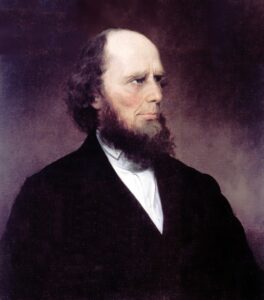
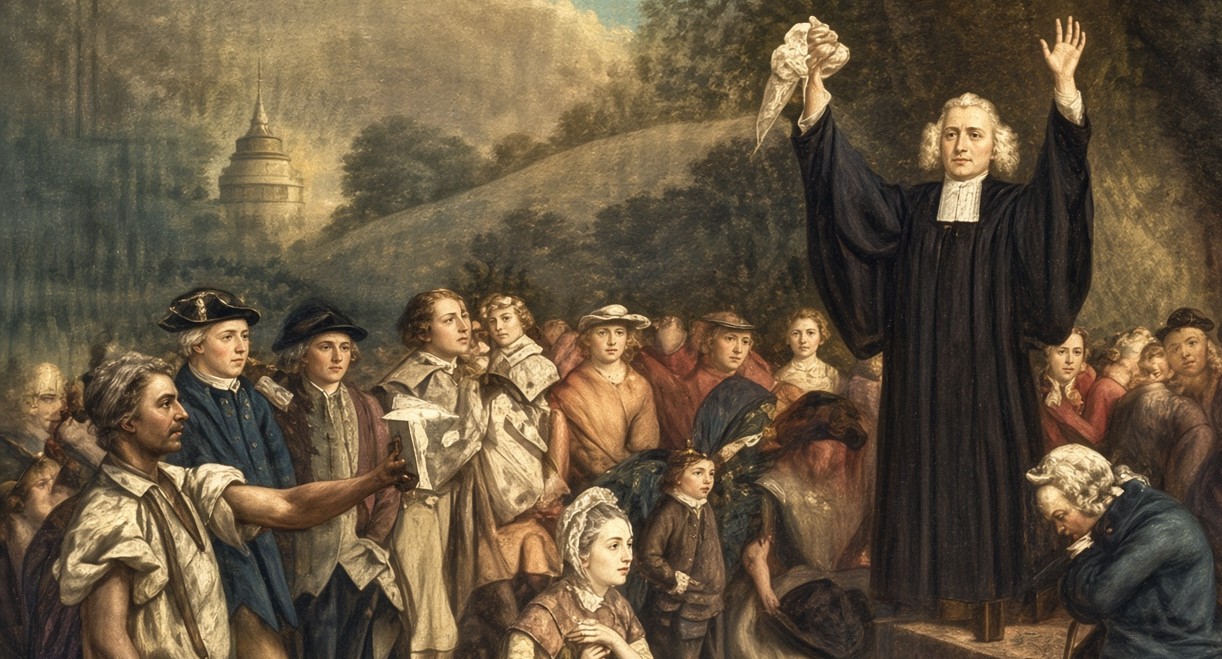
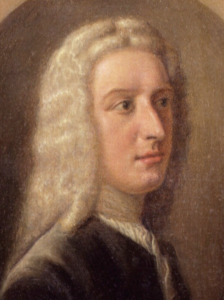
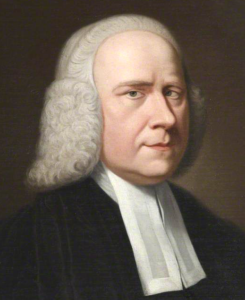
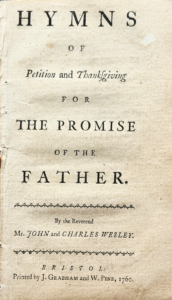
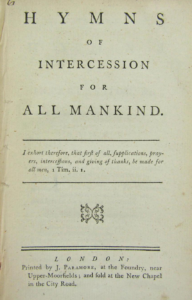
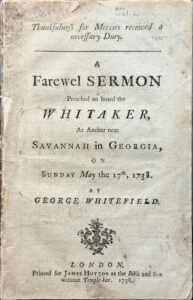
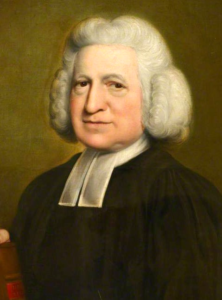
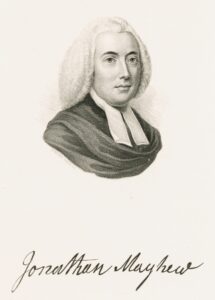 Because American preachers consistently opposed encroachments on civil and religious liberties, when the British imposed the 1765 Stamp Act (an early harbinger of the rupture between the two nations soon to follow), at the vanguard of the opposition to that act were Revs. Andrew Eliot, Charles Chauncey, Samuel Cooper, Jonathan Mayhew, and George Whitefield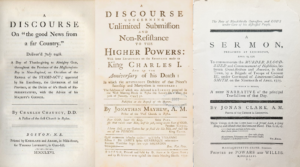
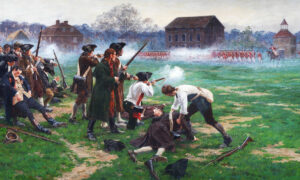
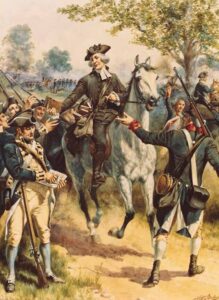 No wonder the British dubbed the patriotic American clergy the “Black Regiment.” And because of their strong leadership, the British often targeted ministers. Joel Headley related: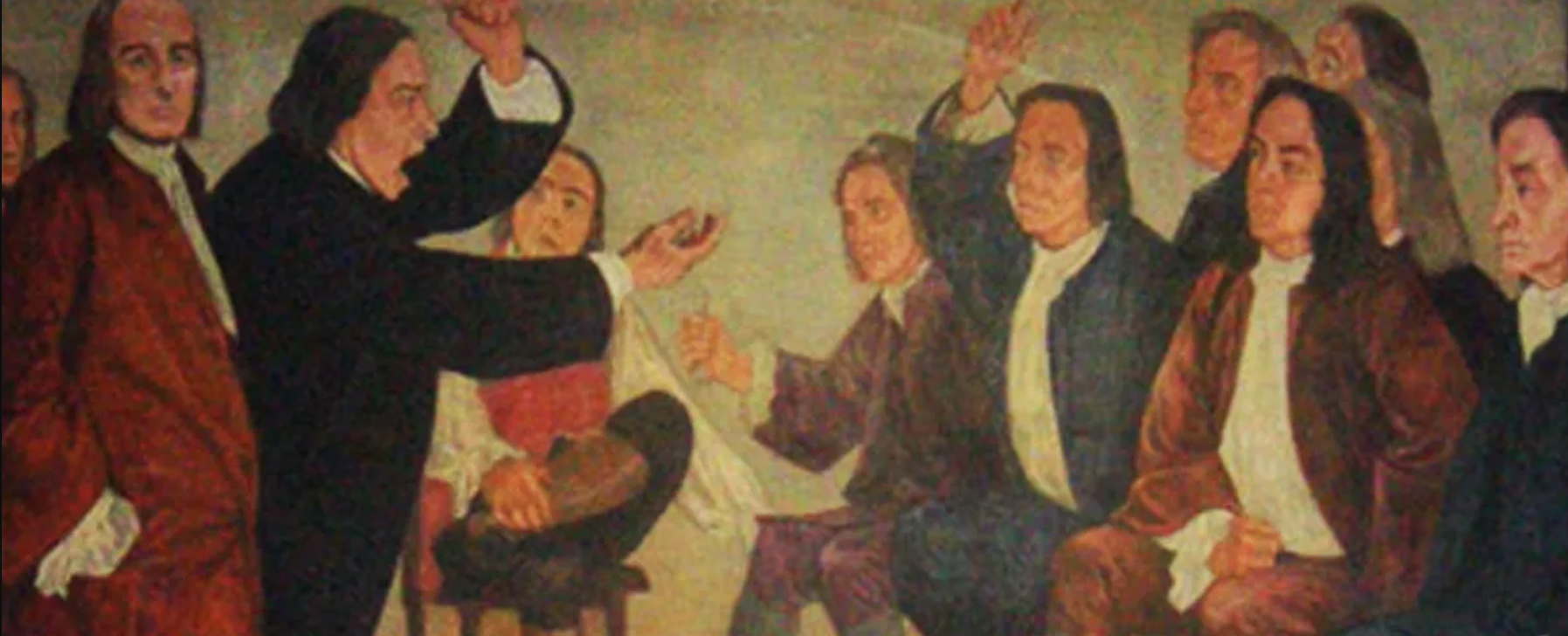
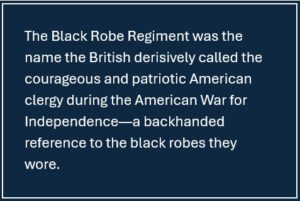 For our first two centuries, Americans recognized and appreciated the indispensable role of ministers of the Gospel in securing both our civil and religious liberties. But in recent years, American culture has sequestered and sidelined her pastors. The universal church and her leaders were pushed out of the public square and told to stay in their own lane.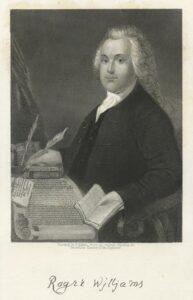
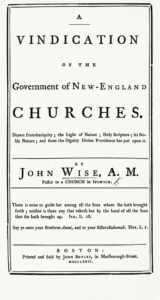
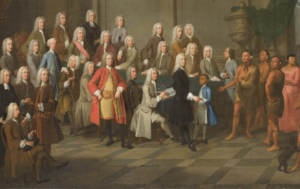
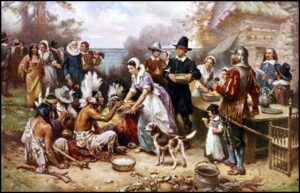 Pilgrims’ First Thanksgiving, 1621 (establishing a national practice).
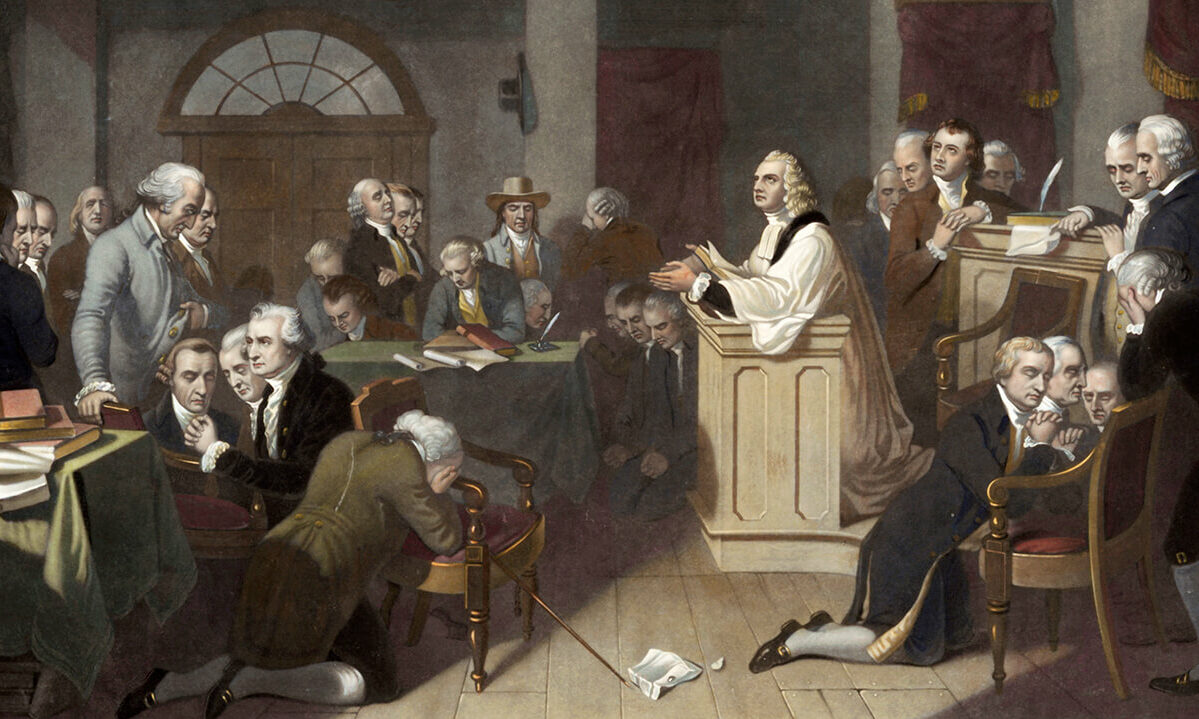
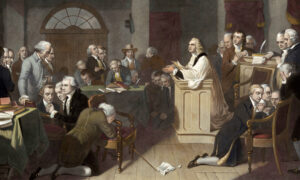 When the Founding Fathers gathered in their first-ever Congress, John Adams identified that the very first motion made was that they open with prayer.
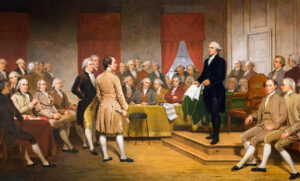 In an effort to solve the flaws in the existing national government that became apparent after the successful conclusion to the War for Independence, leading Founding Fathers gathered at Independence Hall in Philadelphia. George Washington chaired the meeting.
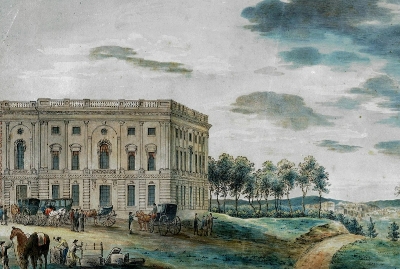 While New York City and then Philadelphia served as the first US capitals, construction began on the permanent Washington DC Capital City in 1793. In November 1800, work on the US Capitol building was sufficiently enough completed that the US House, US Senate, and the US Supreme Court moved into the structure.
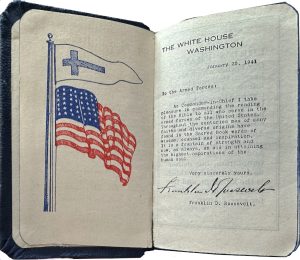 Also distributed to warriors in the Second World War were Bibles that had an outer-plate of steel on the cover. When placed in the left breast pocket over the heart, it was capable of stopping a bullet from a rifle. It was thus known as a “Heart-Shield Bible.”
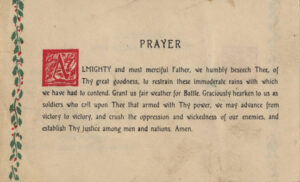 Behind D-Day, perhaps WWII’s next most momentous military engagement was the Battle of the Bulge. The Germans broke through American lines and brought the Allied advance to a complete halt. Supreme Commander Dwight Eisenhower dispatched George Patton and the Third Army to defeat the Germans and put the US Army back on the march to finish Hitler.
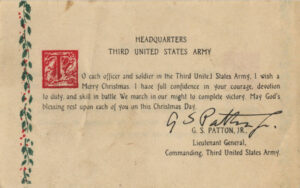 Patton’s greatest nemesis at that time was the weather, which was causing more damage to his troops than the Germans. Patton brought in his Chief of Chaplains, James O’Neill, and they created a prayer card for the weather that Patton wanted distributed to all 250,000 of his troops