Many of our nation’s Presidents have had remarkable but untold stories. The following story about President Eisenhower, published over a generation ago, was so inspiring that we wanted to share it with you.
A Question of Courage by Grace Perkins Oursler
(Reprinted from a 1959 Readers Digest School Reader, condensed and adapted from a Guideposts article.)
The boy had fallen, running home after school, and skinned his left knee. It was no more than a scratch. His trousers were not even torn, but by night the knee had begun to ache. Nothing much, he thought, being 13 and the sturdy son of a frontiersman. Ignoring the pain, he knelt and said his prayers. Then he climbed into bed in the room where he and his five brothers slept.
His leg was painful the next morning, but he still did not tell anyone. Life on the farm kept everyone busy. He always had to be up at six to do his chores before school. He had to do them well or he would be sent back to do them over again, no matter what else he had to miss, including meals. In his home, discipline was fair but stern.
Two mornings later the leg ached too badly for him to drag himself to the barn. It was Sunday and he could stay home while the rest of the family drove to town. He sat in the parlor and dozed until his brothers returned from Sunday school.
Mom and Dad did not come home with them because Sunday was parents’ day off. The boys did the housework and cooked the big meal of the week, while mother and father stayed on to attend church.
The Fight Begins
But by the time dinner was ready, the boy had climbed into bed. The shoe had to be cut off his swollen and discolored leg.
“Why on earth didn’t you tell somebody?” asked his mother. “Go quick,” she called to his father, “and fetch the doctor.”
She bathed the knee, foot and thigh, and wiped the boy’s sweating forehead with a moist, cool cloth. Even as she watched the angry infection grow worse, she remained calm. Mom had nursed her boys through accidents and ailments from toothaches to scarlet fever. One son she had lost, but that only made her calmer and more determined to fight for the others.
Old Dr. Conklin examined the leg and shook his head. “It’s not likely we can save it!”
The invalid sat up stiffly.
“What’s that mean?” he asked huskily.
“It means,” explained the doctor gently, “if things get worse we’ll have to cut off your leg.”
“Not me!” stormed the boy. “I won’t have it! I’d rather die!” “The longer we wait, the more we will have to take off,” urged the doctor.
“You won’t take any off!” The boy’s voice broke with a youthful crack, as his mother turned away, shaken. But there was the look of a man in the boy’s eyes.
A Promise to be Kept
Dr. Conklin stalked out, nodding to the mother to follow him. As he stood in the hallway explaining to the parents what probably would happen, they could hear the sick boy calling for his brother: “Ed! Ed! Come up here, will you?”
The brother stamped in. Then they heard the sick lad’s voice, high pitched with pain: “If I go out of my head, Ed, don’t let them cut off my leg. Promise me, Ed – promise!”
In a moment Ed came out and ran to the kitchen. When he returned his mother said, “Ed, what’s your brother asking for?”
“Fork. To bite on; to keep from screaming.”
Then Ed stood outside the bedroom door, his arms folded. Quite clearly he was standing guard.
Ed looked straight at Dr. Conklin. “Nobody’s going to saw off that leg!” he announced.
“But, Ed – you’ll be sorry,” gasped the doctor.
“Maybe so, Doc. But I gave him my word.”
And nothing changed that. If Ed had not stood his ground, father and mother might have yielded. They were not yet sure that amputation was necessary. The stubborn attitude first of the sick boy and then of his brother was unbelievable, for defiance of authority was unknown in that home. Yet there was Ed, standing before the sickroom door.
“Guess we’ll wait and see how he looks by tonight, eh, Doc?” said the father.
The Crisis
For two days and nights Ed stood guard, sleeping at the threshold, not leaving even to eat. The fever mounted and the suffering boy became delirious, babbling with pain. The older brother did not weaken, even though the discoloration of the swollen leg was creeping toward the hip. Ed remained firm because he had given his promise. Also he shared the frontiersman’s dread of being less than physically perfect. A man needed his arms and legs to do the hard work on a farm.
The parents knew that their son would never forgive an amputation, and Ed stood firm whenever the doctor returned. Once, in helpless rage, Dr. Conklin shouted, “It’s murder! Nothing but a miracle can save the boy now.” He left, slamming the front door.
Mother, father and watchful Ed shared the same thought as their anxious eyes turned from the doorway. Had they forgotten their faith because of their fears? Why, this sick boy’s grandfather, that vigorous and inspiring old farmer-minister, had always believed in healings through faith. Now, in this desperate hour, the three went to their knees at the bedside.
They prayed, taking turns in leading one another. Father, mother – and at last Edgar – each would rise in turn, go about the farm work and rejoin the continual prayer. During the second night the other four brothers joined in the prayers.
The next morning, when the faithful old doctor stopped by again, his experienced eye saw a sign. The swelling was going down!
Dr. Conklin closed his eyes and made a rusty prayer of his own – a prayer of thanksgiving. Even after the sick boy dropped into a normal sleep, one member of the family after another kept the prayer vigil all through the night.
It was nightfall again and the lamps were lighted when the boy opened his eyes. The swelling was away down now. The discoloration had almost faded. In three weeks – pale and weak, but with eyes clear and voice strong – the boy could once again stand up.
And Ike Eisenhower was ready to face life.”
(End of reprinted article)
This early Divine intervention by God in the life of a young Dwight Eisenhower produced a later blessing to America and the world.
The Story of a Leader
Eisenhower was born in 1890 in Texas and raised as a Presbyterian in Kansas. His mother had been a Mennonite and was a strong pacifist who morally opposed war, but the young Eisenhower believed that the best way to ensure peace was through a strong military. He therefore applied and was accepted at West Point Military Academy, where he graduated as a commissioned army officer in 1915.
Prior to World War II, Eisenhower served as a young officer under General Douglas McArthur in the Philippines. When the War broke out, Eisenhower was assigned to command a military training base in Louisiana with almost half-a-million soldiers. General George Marshall was so impressed with Eisenhower’s abilities that he made him the liaison between American and British strategists in London; and Prime Minister Winston Churchill was so taken with Eisenhower’s skills that he had him appointed as the Supreme Commander of the Allied Expeditionary Forces in Europe. As a result of Eisenhower’s leadership – particularly through bold measures such as the D-Day invasion – the Nazis and their allies were crushed and a wave of freedom swept across Europe and the world.
Following his service in World War II, Eisenhower became the very first chairman of the Joint Chiefs of Staff of the military, served a brief stint as president of Columbia University, was named the Supreme Commander of NATO, and was elected US President in 1952.
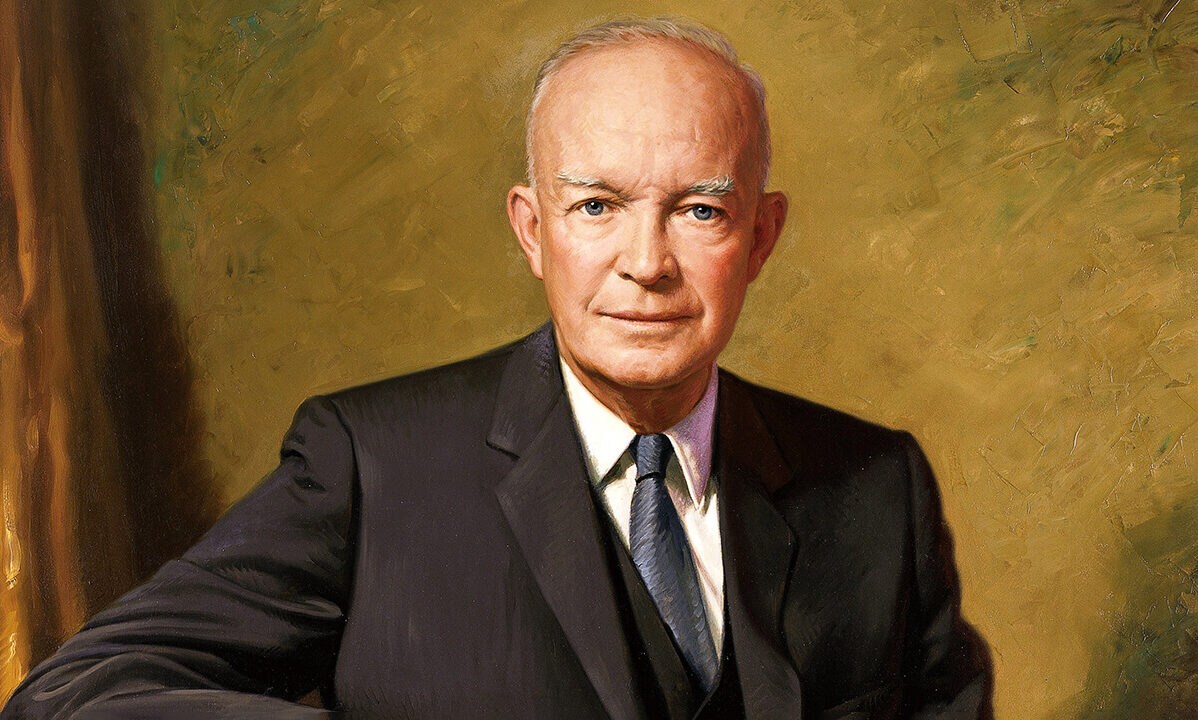
Throughout Ike’s life, his early religious training – more apparent at some times than at others – never fully departed him. For example, at his first Presidential Inauguration in 1953, Ike took his oath of office upon two Bibles – the one used by George Washington in his 1789 inauguration, and the one given to Ike by his mother upon his graduation from West Point. After being sworn in, Ike personally offered the inaugural prayer rather than having a minister do so:
My friends, before I begin the expression of those thoughts that I deem appropriate to this moment, would you permit me the privilege of uttering a little private prayer of my own. And I ask that you bow your heads:
“Almighty God, as we stand here at this moment, my future associates in the executive branch of government join me in beseeching that Thou will make full and complete our dedication to the service of the people in this throng, and their fellow citizens everywhere. Give us, we pray, the power to discern clearly
right from wrong, and allow all our words and actions to be governed thereby, and by the laws of this land. Especially we pray that our concern shall be for all the people regardless of station, race, or calling. May cooperation be permitted and be the mutual aim of those who, under the concepts of our Constitution, hold to differing political faiths; so that all may work for the good of our beloved country and Thy glory. Amen.”
During his first term, Eisenhower signed the federal law inserting the phrase “under God” into the Pledge of Allegiance. Why? According to Eisenhower:
In this way we are reaffirming the transcendence of religious faith in America’s heritage and future; in this way we shall constantly strengthen those spiritual weapons which forever will be our country’s most powerful resource in peace and war.
For his second inauguration, Eisenhower was actually sworn in twice. Because the legally designated inaugural day fell on a Sunday, Ike refused to have a public ceremony; the official oath was administered to him on the Sabbath in private. The following day, however, he had a public ceremony and was sworn in (again) before large crowds at the Capitol, taking his oath on his West Point Bible as he had at his first inauguration.
Eisenhower literally was used of God to bless Europe, America, and the entire world, none of whom would have experienced that blessing had not God sovereignly intervened in Ike’s life during his youth.
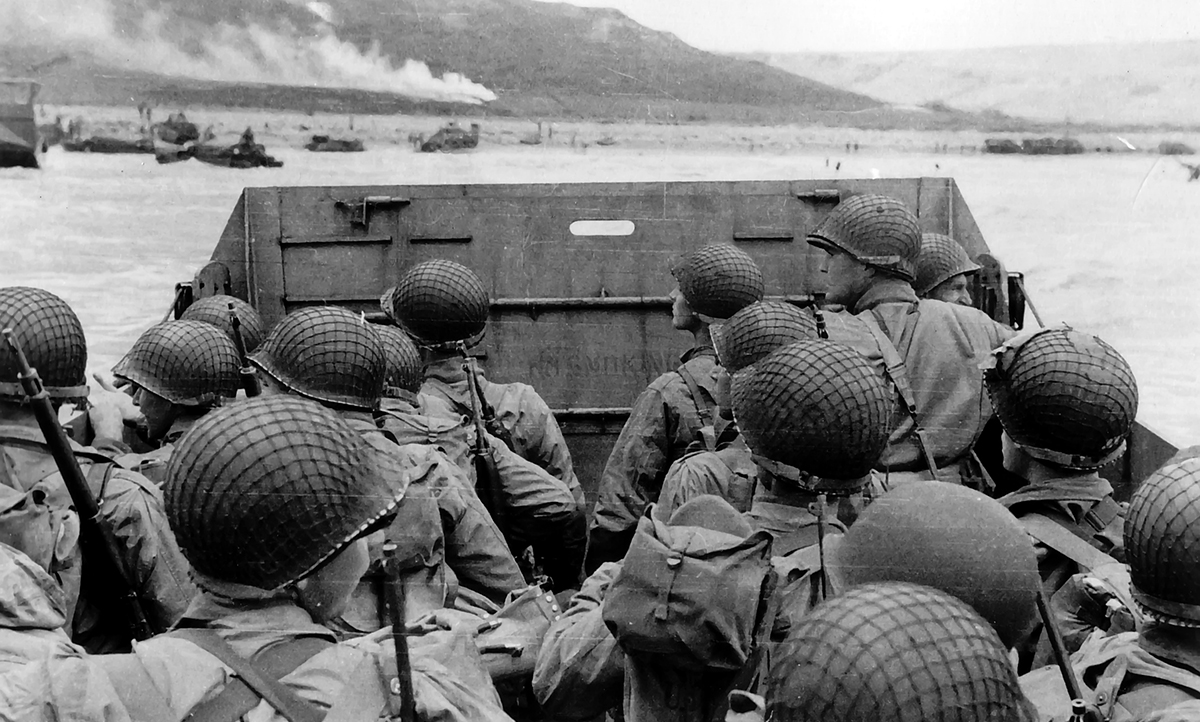
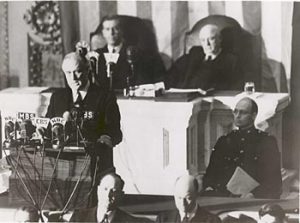 However, all of that changed with the bombing of Pearl Harbor in 1941. In his famous “date which will live in infamy” message to Congress requesting that the United States officially declare war on Japan, President Roosevelt stated, “With confidence in our armed forces — with the unbounding determination of our people — we will gain the inevitable triumph — so help us God.”3
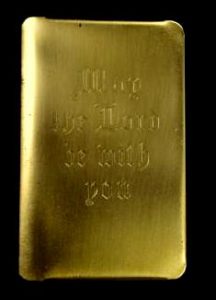 This confidence in God and our military (along with his concern for individual American soldiers) was later evident in what is now known as The Heart-Shield Bible. These Bibles (used during World War II) were designed to fit securely into the chest pocket of a soldier’s uniform. The metal plates were securely attached to the front cover of the Bible to stop a bullet from reaching the soldier’s heart (which they did on several occasions). In our library at WallBuilders we have several of these World War II Bibles. In the back is a section of psalms and hymns, including “My Country ‘Tis of Thee,” “America the Beautiful,” and “The Star Spangled Banner.” In the front, there is a note to the soldiers directly from President Franklin D. Roosevelt.
As Commander-in-Chief I take pleasure in commending the reading of the Bible to all who serve in the armed forces of the United States. Throughout the centuries men of many faiths and diverse origins have found in the Sacred Book words of wisdom, counsel and inspiration. It is a foundation of strength and now, as always, an aid in attaining the highest aspirations of the human soul.
We cannot read the history of our rise and development as a Nation without reckoning with the place the Bible has occupied in shaping the advances of the Republic. . . . Where we have been truest and most consistent in obeying its precepts we have attained the greatest measure of contentment and prosperity; where it has been to us as the words of a book that is sealed, we have faltered in our way, lost our range finders, and found our progress checked. It is well that we observe this anniversary of the first publishing of our English Bible. The time is propitious to place a fresh emphasis upon its place and worth in the economy of our life as a people.4
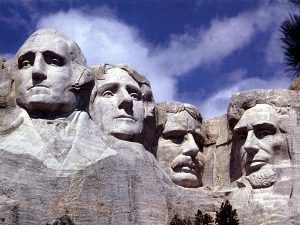 The
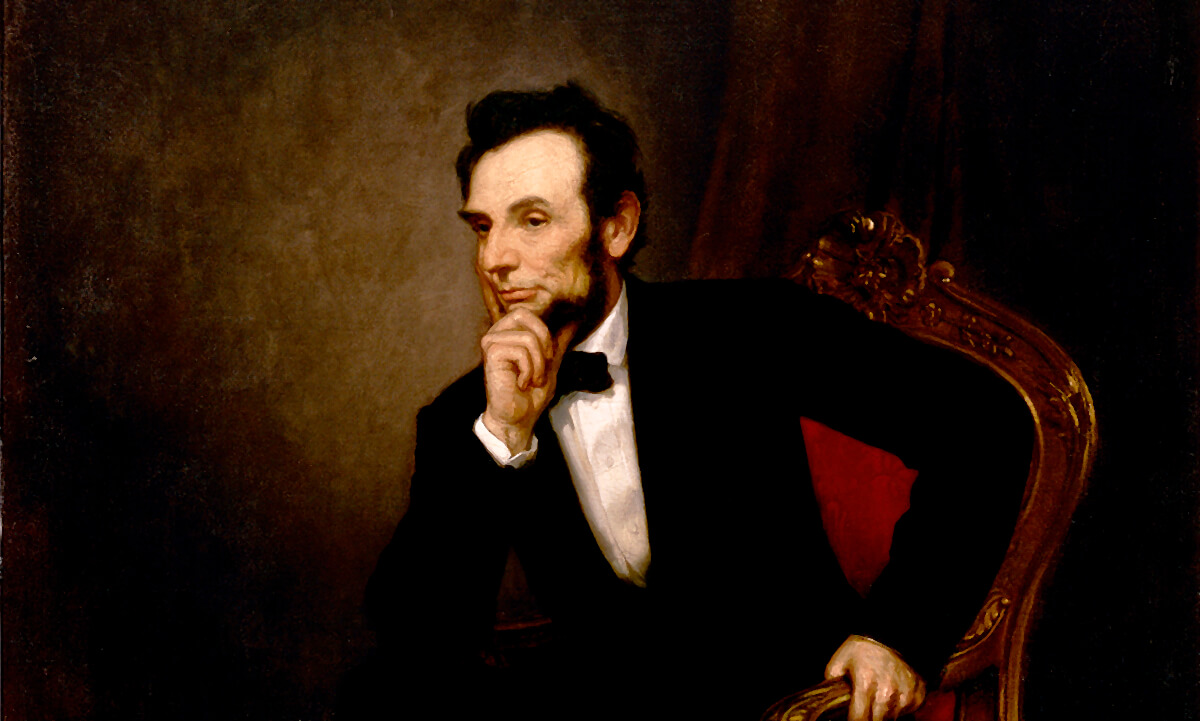
The 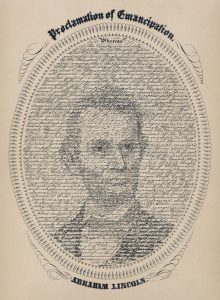 Lincoln learned to read from the Bible,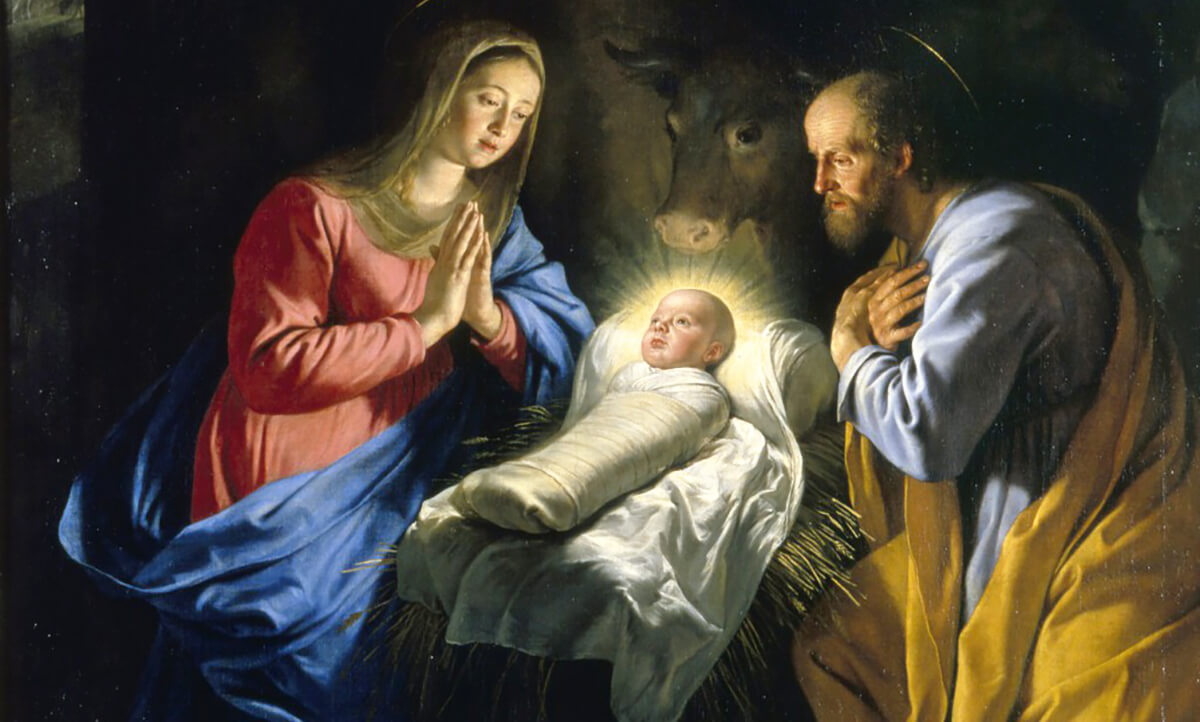
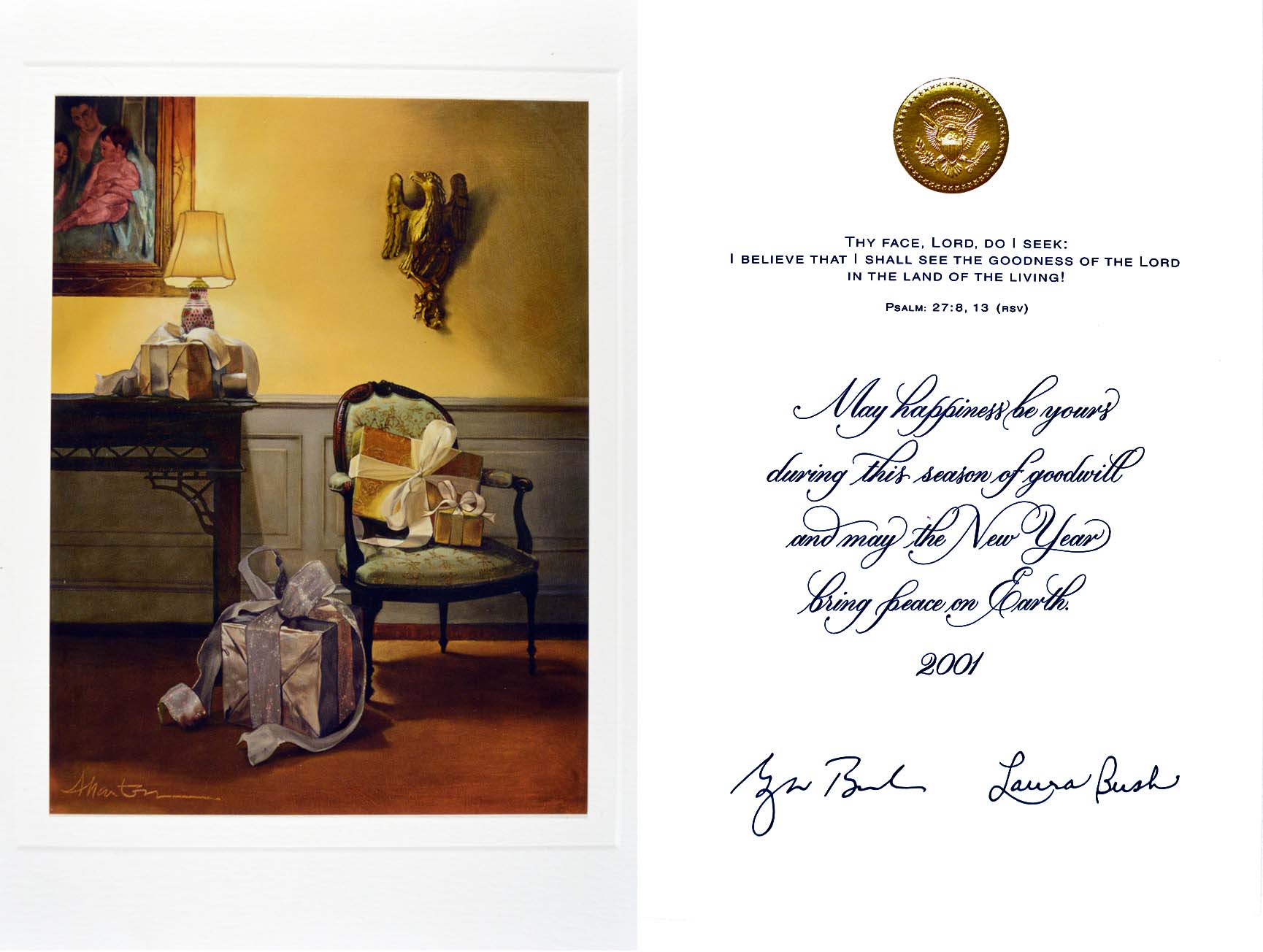
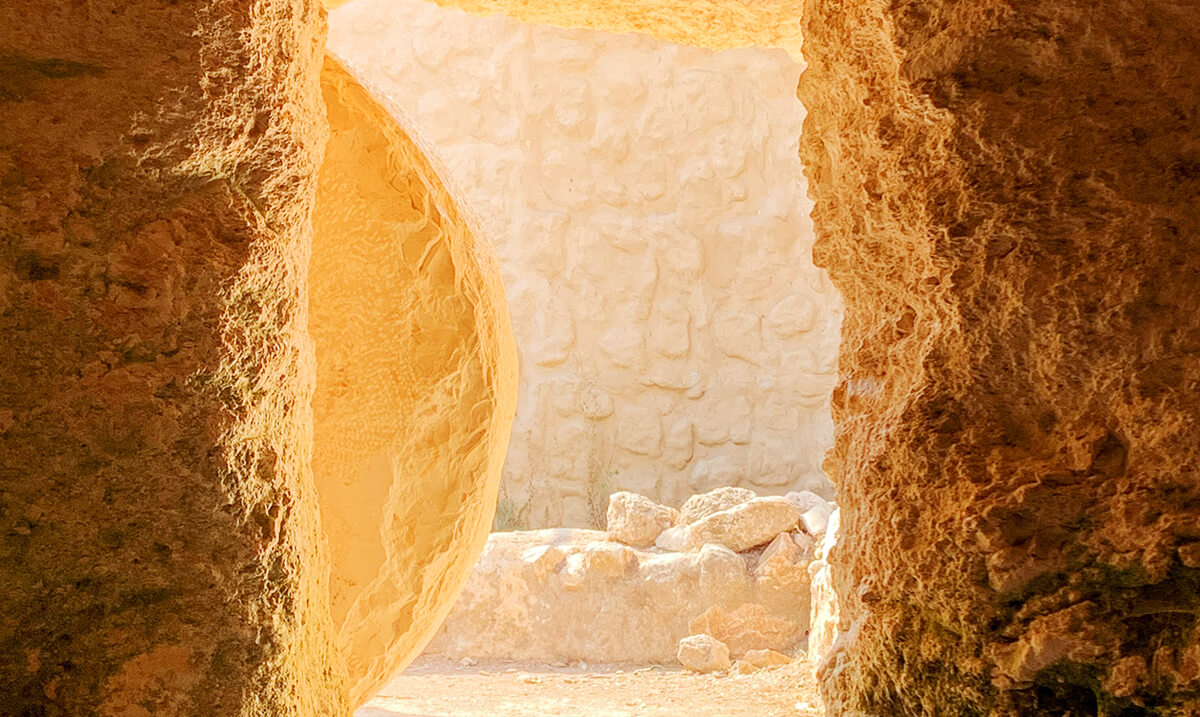
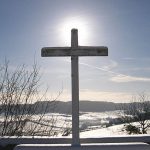 Easter is celebrated across the world as one of the most significant Christian holy days. It is when Christians pause to remember the great sacrifice of Jesus on the cross as well as the ultimate triumph of His resurrection.
 As Noah Webster, author in 1828 of America’s
  The approaching festival of Easter, and the merits and mercies of our Redeemer copiosa assudeum redemptio have lead me into this chain of meditation and reasoning, and have inspired me with the hope of finding mercy before my Judge, and of being happy in the life to come — a happiness I wish you to participate with me by infusing into your heart a similar hope.
 He forgave the crime of murder on His cross; and after His resurrection, He commanded His disciples to preach the gospel of forgiveness, first at Jerusalem, where He well knew His murderers still resided. These striking facts are recorded for our imitation and seem intended to show that the Son of God died, not only to reconcile God to man but to reconcile men to each other.
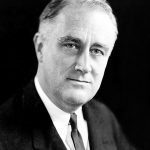 Yesterday, Christendom celebrated Easter—the anniversary of the Resurrection of Our Lord Who, at the beginning of His ministry was thirty years of age and at His death was only thirty-three. Christianity began with youth, and through the last two thousand years, the spirit of youth repeatedly has revitalized it.
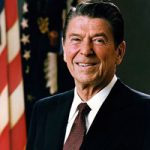 Beginning today and culminating on Sunday morning, Christians will celebrate with their families the resurrection of Christ, His victory over death. We will remember that He gave His body and His blood—washing clean the faults and the shortcomings of the world. In our rejoicing we will renew the hope that is ours through the risen Lord.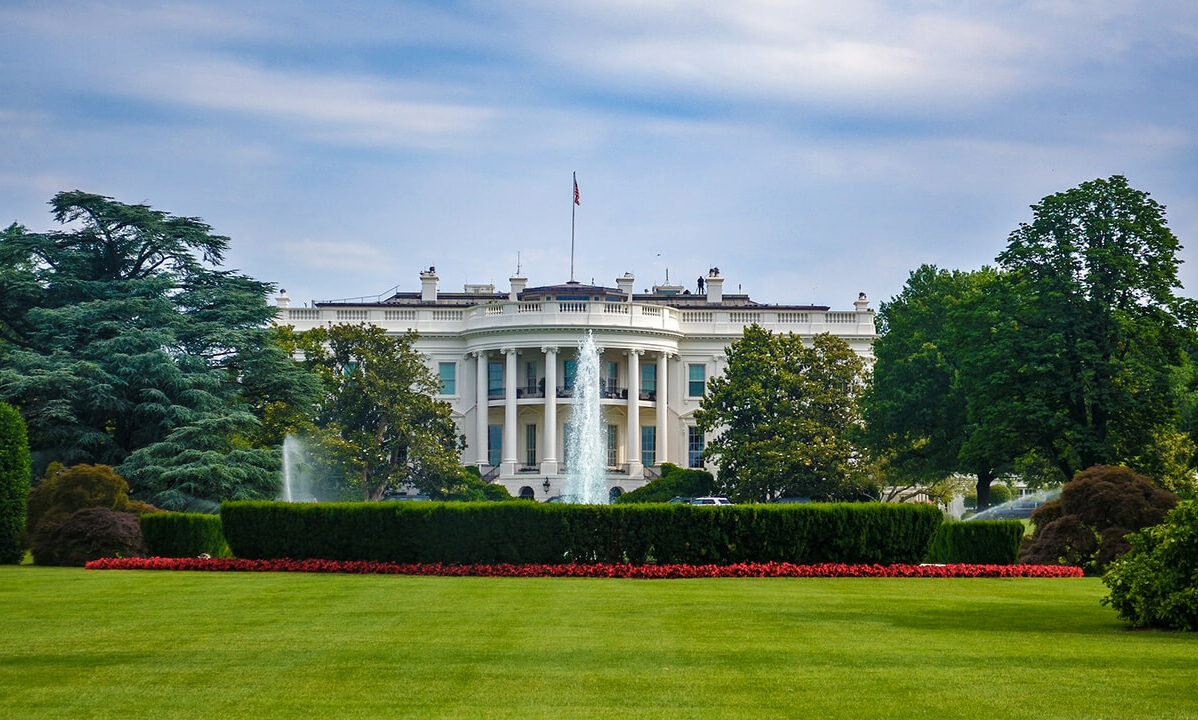
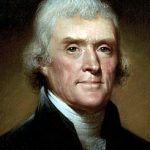 America is a blessed nation. We enjoy a level of political stability,
  [T]he authority of law, the right to equality, liberty, and property under American institutions, have for their foundation reverence for God. If we could imagine that to be swept away, these institutions of our American government could not long survive.
 The Constitution and the Declaration of Independence can live only as long as they are enshrined in our hearts and minds. If they are not so enshrined, they would be no better than mummies in their glass cases, and they could in time become idols whose worship would be a grim mockery of the true faith. Only as these documents are reflected in the thoughts and acts of Americans can they remain symbols of a power that can move the world.
 On Presidents Day — and with a presidential election directly in front of us — let’s remember the
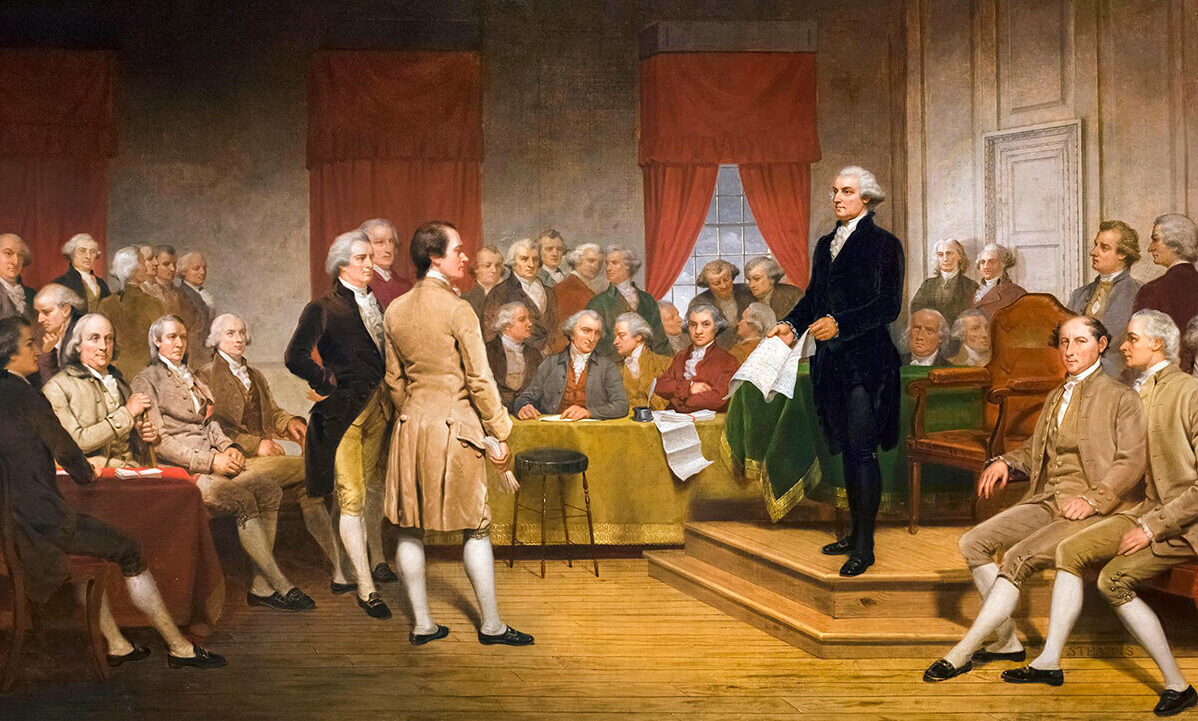
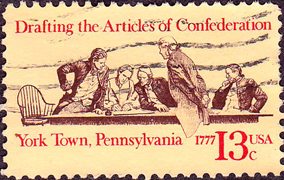 America’s first attempt at a national governing document was in 1777 with the Articles of Confederation.
 James Madison agreed:
 Many delegates involved with writing the Constitution were trained in theology or ministry,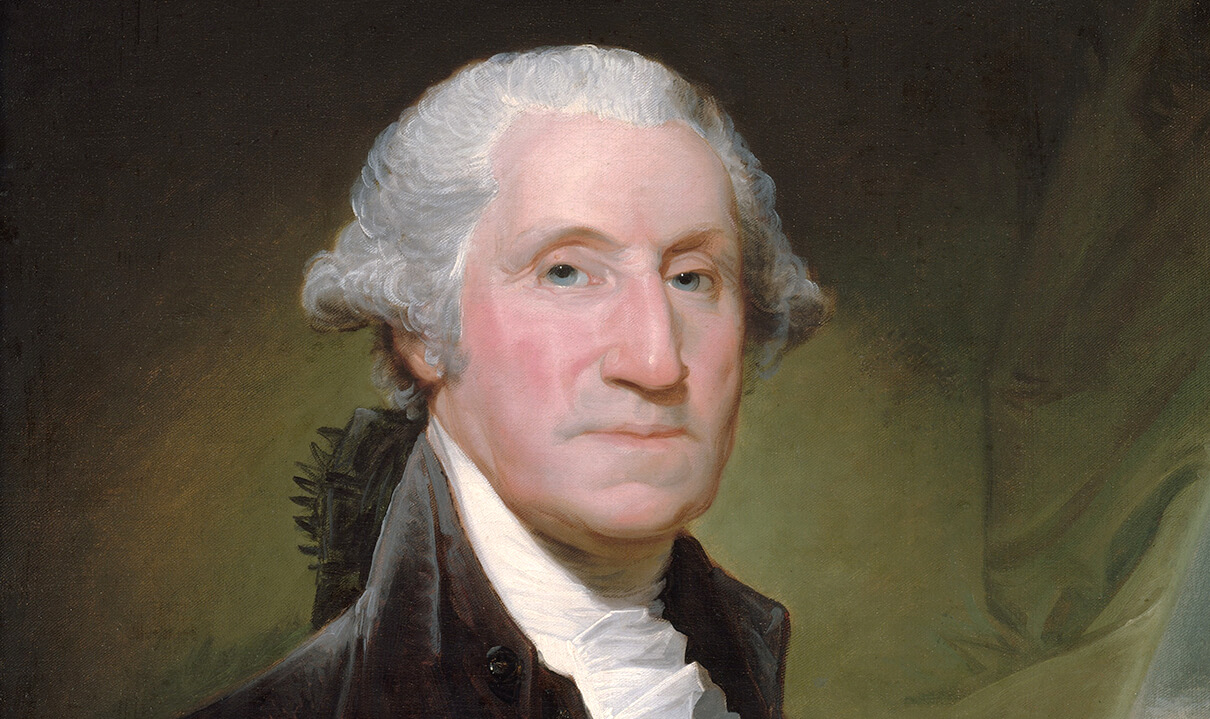
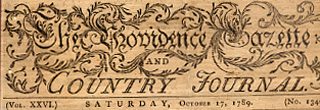
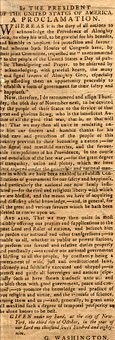 Whereas it is the duty of all nations to acknowledge the providence of Almighty God, to obey His will, to be grateful for His benefits, and humbly to implore His protection and favor; and whereas both Houses of Congress have, by their joint committee, requested me “to recommend to the people of the United States a day of public thanksgiving and prayer, to be observed by acknowledging with grateful hearts the many and signal favors of Almighty God, especially by affording them an opportunity peaceably to establish a form of government for their safety and happiness.”