Here are some inspiring stories1 of women in American history. We hope they are an encouragement!
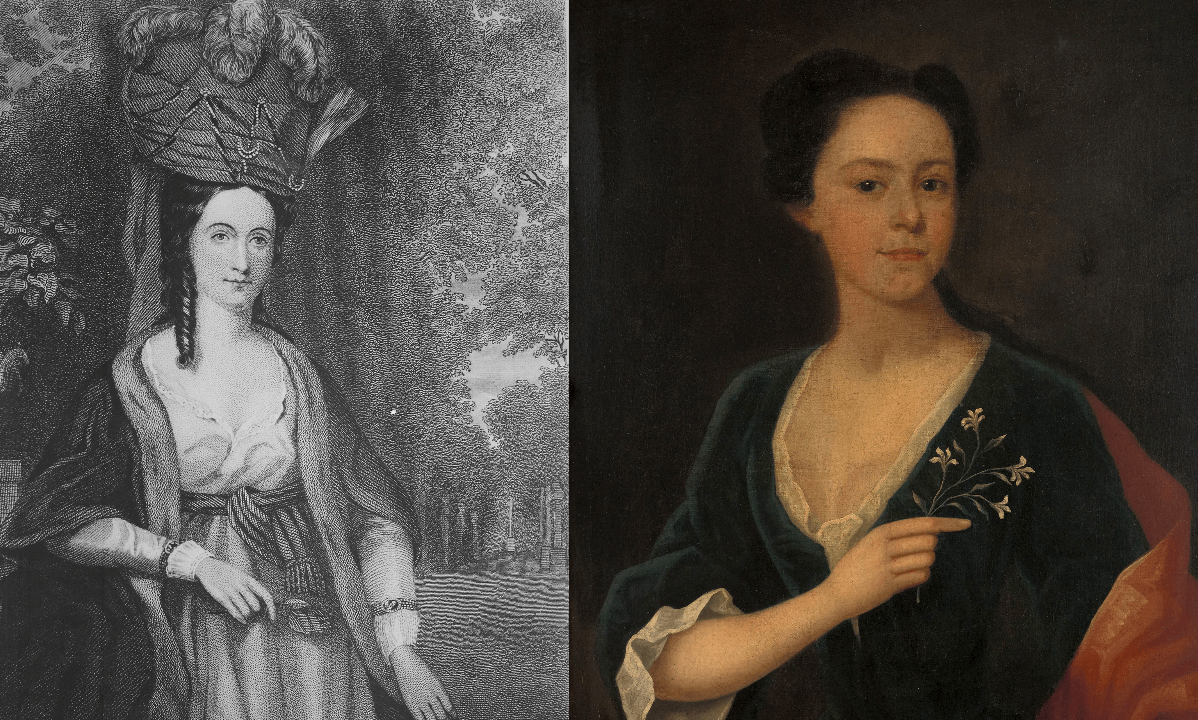
Mary Morris (wife of Robert Morris2) fled her home with her four young children (the oldest being only 7) as the British approached Philadelphia. Getting to safety, she wrote to her husband recounting her flight: “I long to give you an account of the many difficulties and uneasiness we have experienced in this journey. Indeed my spirits were very unable to the task after that greatest conflict, flying from home.”3
Gertrude Read (wife of Declaration signer George Read4) and her four young children were frequently left alone under continual threat5 as the British marched through and occupied parts of the state. Yet, despite the long separations from her husband and the many times she had to move her family to safety, a biographer of George Read notes, “she never was dejected…she animated his fortitude by her firmness.”6
As the British made their way to Princeton in the early years of the war, Annis Stockton7 (wife of Declaration signer Richard Stockton), personally secured numerous state papers to keep them safe from the British. When Richard heard8 of the British approach, he quickly acted to get his family (including six children) to safety. He, himself, was arrested the very evening his family got to safety, and remained in horrible prison conditions until Congress was able to arrange better accommodations. He never fully recovered and died in 1781.
Mary Bartlett (wife of Declaration signer Josiah Bartlett) also faced many hardships. In 1774, arsonists9 (assumed to be Loyalists opposed to Josiah’s support of the Americans) burned down the Bartlett’s home. Mary did not despair but simply moved her 12 children to the family’s farm. A biographer noted that she managed the farm herself and “in all her letters to her husband and her children, there is not one word of regret at his course or pity for herself, left alone to bear the double duties incumbent upon her.”10
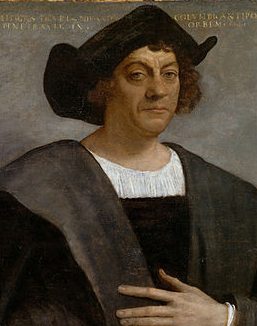
Christopher Columbus. The name invokes images of either a brave and triumphant explorer discovering the New World, or a tyrannical and genocidal leader who was directly responsible for the death of millions. But which image is the truth?1
For nearly 500 years Christopher Columbus was almost universally regarded as a heroic man who, though flawed, exhibited great courage and virtue in his efforts to cross the Atlantic Ocean, where no man had done so before. Although he was hoping to find a way to sail to India, he nevertheless opened the doors to an entirely new continent which was practically unknown to the wider world.
Columbus was unequivocal in declaring his trust in God, and that it was God Who had guided him across the ocean for a certain purpose, writing:
Who doubts that this illumination was from the Holy Spirit? I attest that he [the Spirit], with marvelous rays of light consoled me through the holy sacred Scriptures…encouraging me to proceed, and, continually, without ceasing for a moment, they inflame me with a sense of great urgency. Our Lord wished to perform the clearest miracle.2
This Columbus sounds nothing like the false portrayal of him by the radical Left academics who attempt to tarnish the truth of the American story anyway that they can. The revisionists understand that if they can alter the past, they can change the present. This has always been the approach of radicals. As noted literary figure Washington Irving explained in his 1828 biography on Columbus:
There is a certain meddlesome spirit, which, in the garb of learned research, goes prying about the traces of history, casting down its monuments, and marring and mutilating its fairest trophies. Care should be taken to vindicate great names from such pernicious erudition. It defeats one of the most salutary purposes of history, that of furnishing examples of what human genius and laudable enterprise may accomplish.3
If you’d like to learn more about Christopher Columbus and the historical truth of who he really was and what he actually did, check out our book The American Story: The Beginnings4! Beginning with Columbus’ daring voyage and the world he found, The American Story tells the forgotten history of our nation and the ways God’s providence has guided America throughout the years.
Learn the truth about our nation’s history and celebrate Columbus Day!
1 “Discovering Columbus,” https://wallbuilders.com/discovering-columbus/. 2 Christopher Columbus, trans. Kay Brigham, “Letter from the Admiral to the King and Queen,” Christopher Columbus’s Book of Prophecies (Fort Lauderdale: CLIE Publishers, 1992), 179. 3 Washington Irving, A History of the Life and Voyages of Christopher Columbus (London: John Murray, 1828), 1: 64-65. 4The American Story: The Beginnings.
November 21st marks the anniversary of the signing of the MayflowerCompact. To understand the significance of this date, you need to know the history of the Pilgrims who wrote and signed the MayflowerCompact.
The Pilgrims were mainly English Dissenters who attended churches that did not belong to the Church of England. One objection they held was to any monarch being head of the church. This viewpoint was contradictory to an English law stating that if “any of Her Majesty’s [Queen Elizabeth I] subjects deny the Queen’s ecclesiastical supremacy…they shall be committed to prison without bail.” Years of enduring government persecution led the Pilgrims to “[shake] off this yoke of anti-Christian bondage” and move to Holland, where they found religious toleration. After 12 years in Holland they decided to move to America where they could freely worship God, raise Godly children, and share the Christian Gospel with others.
They arranged for two ships to carry them to America: the Speedwell and theMayflower. But the Speedwell developed leaks in two separate departure attempts and was sidelined. The Mayflower alone set sail for America in September 1620 with 102 “Pilgrims and strangers” (1 Peter 2:11, from which the Pilgrims took their name). It took 66 days for the Pilgrims on the Mayflower to reach America.
(Their trip across the Atlantic was treacherous, with constant storms. In fact, at one point the main beam of the ship broke. Not having the tools necessary to make the repairs, the ship’s crew used the large jackscrew of the Pilgrims’ printing press to raise the beam into place where it could be secured – thus saving the ship and the lives of those on board.)
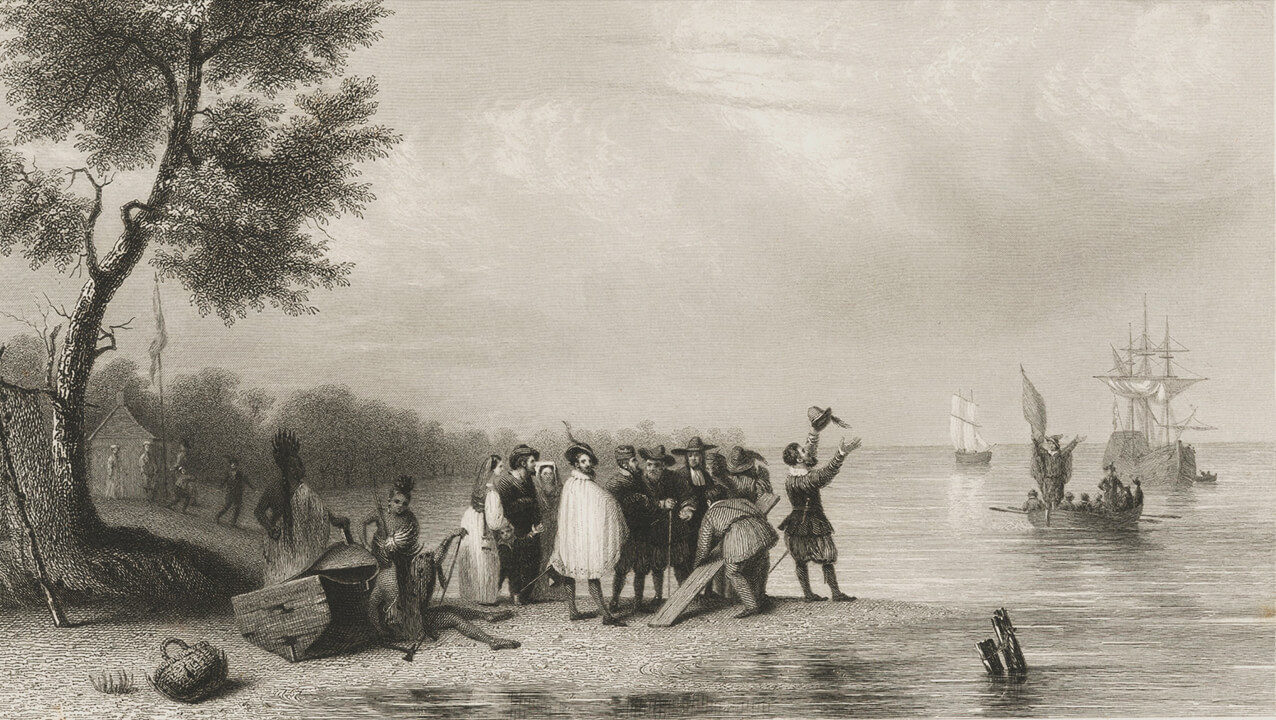
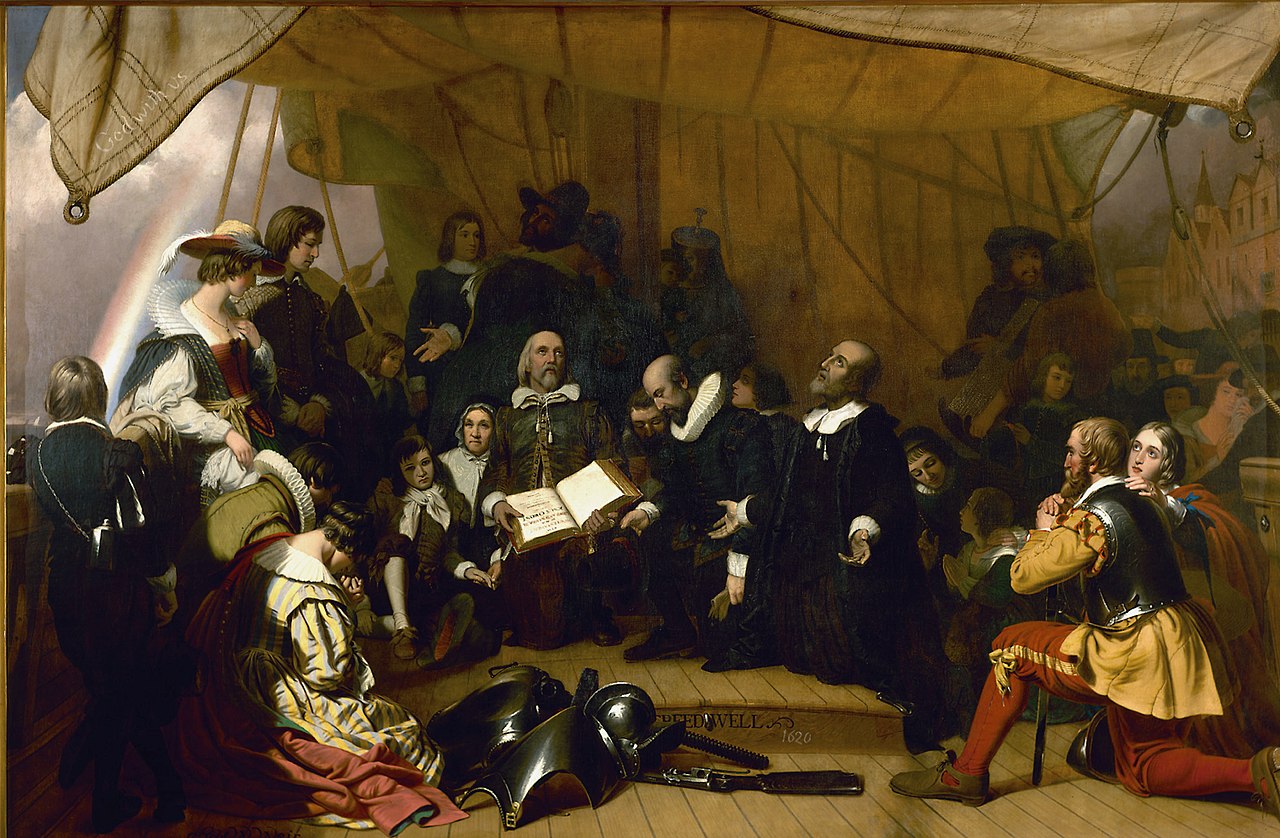
The Pilgrims were sailing for the northern parts of the Virginia Colony, but fierce winds blew them hundreds of miles north. They finally put ashore at Cape Cod, but in an area not under the authority of the Virginia Colony, they had no official governance. So before leaving the Mayflower, the Pilgrims drew up their own governmental compact, which declared:
Having undertaken for the glory of God and advancement of the Christian faith, and the honor of our king and country, a voyage to plant the first colony in the northern parts of Virginia, do by these presents [that is, by this legal document and charter] solemnly and mutually, in the presence of God and one of another, covenant and combine ourselves together into a civil body politic…
This document — signed on November 21, 1620 (November 11 by the old calendar) — became known as the MayflowerCompact. It became the first purely American document of self-government that (to borrow words later employed by Abraham Lincoln) was “of the people, by the people, and for the people.” (America’s other governing documents had been written in England by English officials in order to govern the Americans.) Additionally, the Pilgrim’s document placed American self-government firmly on a Christian foundation. The MayflowerCompact is definitely worth being honored.
In the 1800s, February 22 was annually celebrated as George Washington’s Birthday in many localities throughout the new American nation. An official federal holiday recognizing this day, however, was not declared until 1879.
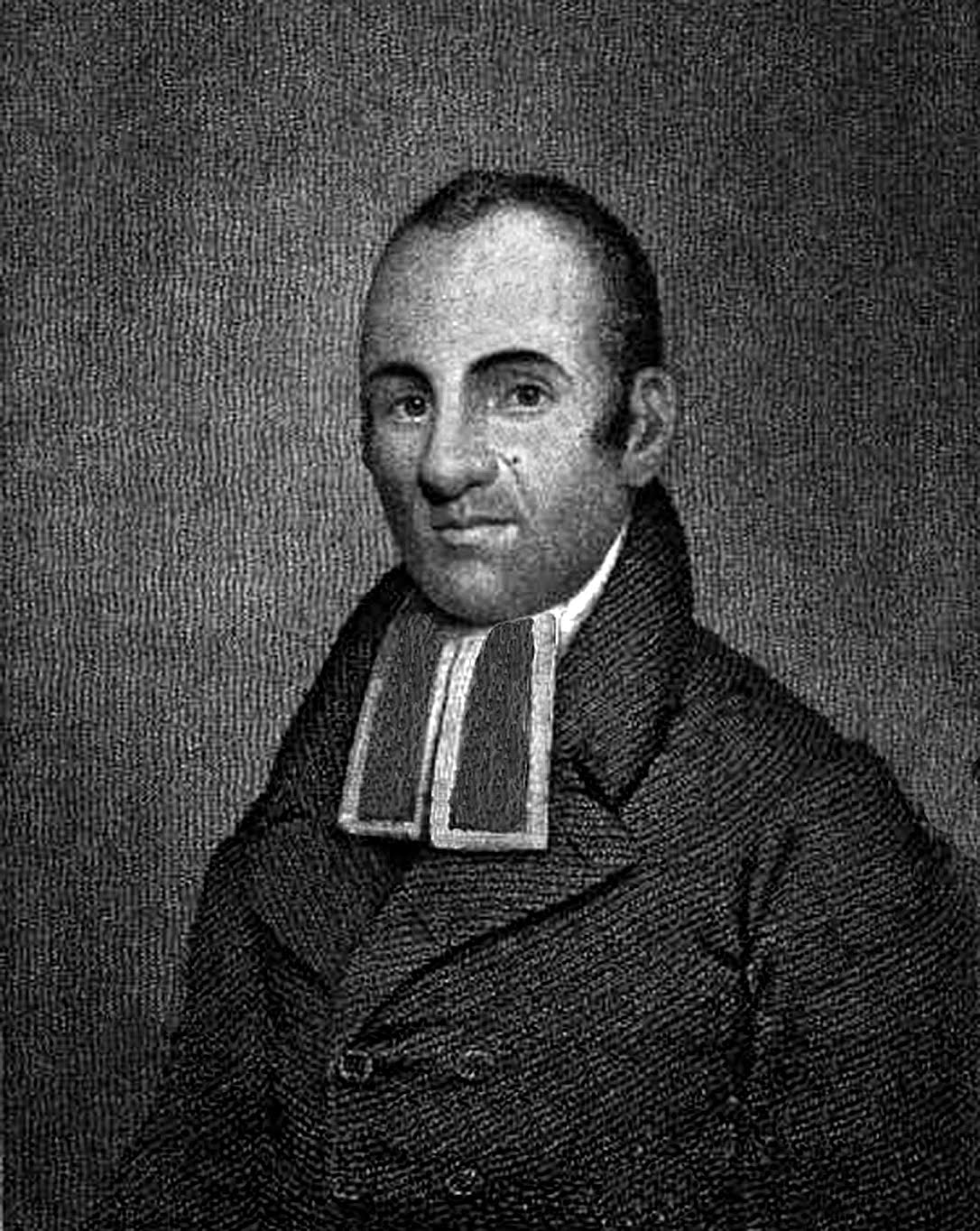
Black hero Lemuel Haynes has an interesting tie to Washington’s Birthday celebrations. Haynes was a Minuteman in the War for Independence and participated in the expedition against Fort Ticonderoga. After he became a minister in 1785, he preached for both all-white and mixed congregations. About 40 years after his participation in the War, Haynes preached a sermon on Washington’s Birthday, noting:
Perhaps it is not ostentatious [bragging] in the speaker to observe that in early life he devoted all for the sake of freedom and independence, and endured frequent campaigns in their defense, and has never viewed the sacrifice too great.
In 1968, a Congressional Act was passed that moved the celebration of Washington’s Birthday to the third Monday in February. This holiday is now called PresidentsDay and celebrates all of America’s presidents.
By the time it’s all said and done, very few years have been as momentous as 2020. Between pandemics, riots, elections, it might be easy to forget the path that has led America to this position. But, 2020 was also the 400th anniversary of the Pilgrims landing upon our shores.
These religious dissidents hardly seem the heroes of an epic stretching across centuries, thousands of miles, and millions of people. However, it is no exaggeration to say that their courageous voyage fundamentally altered the direction of the world. The diminutive beginnings at Plymouth Rock represent the proverbial mustard seed that would eventually grow into a mighty tree of liberty.
The Pilgrim story is one of faith through hardship, and endurance through persecution. They were the first to risk their “lives, fortunes, and sacred honor” for the establishment of freedom on American shores.1 Due to their religious beliefs differing from the state-mandated doctrines set by the King, they were persecuted and oppressed. William Bradford, the future governor of Plymouth, explained how, “some were taken and clapped up in prison, others had their houses beset and watched night and day, and hardly escaped their hands.”2
Persecution
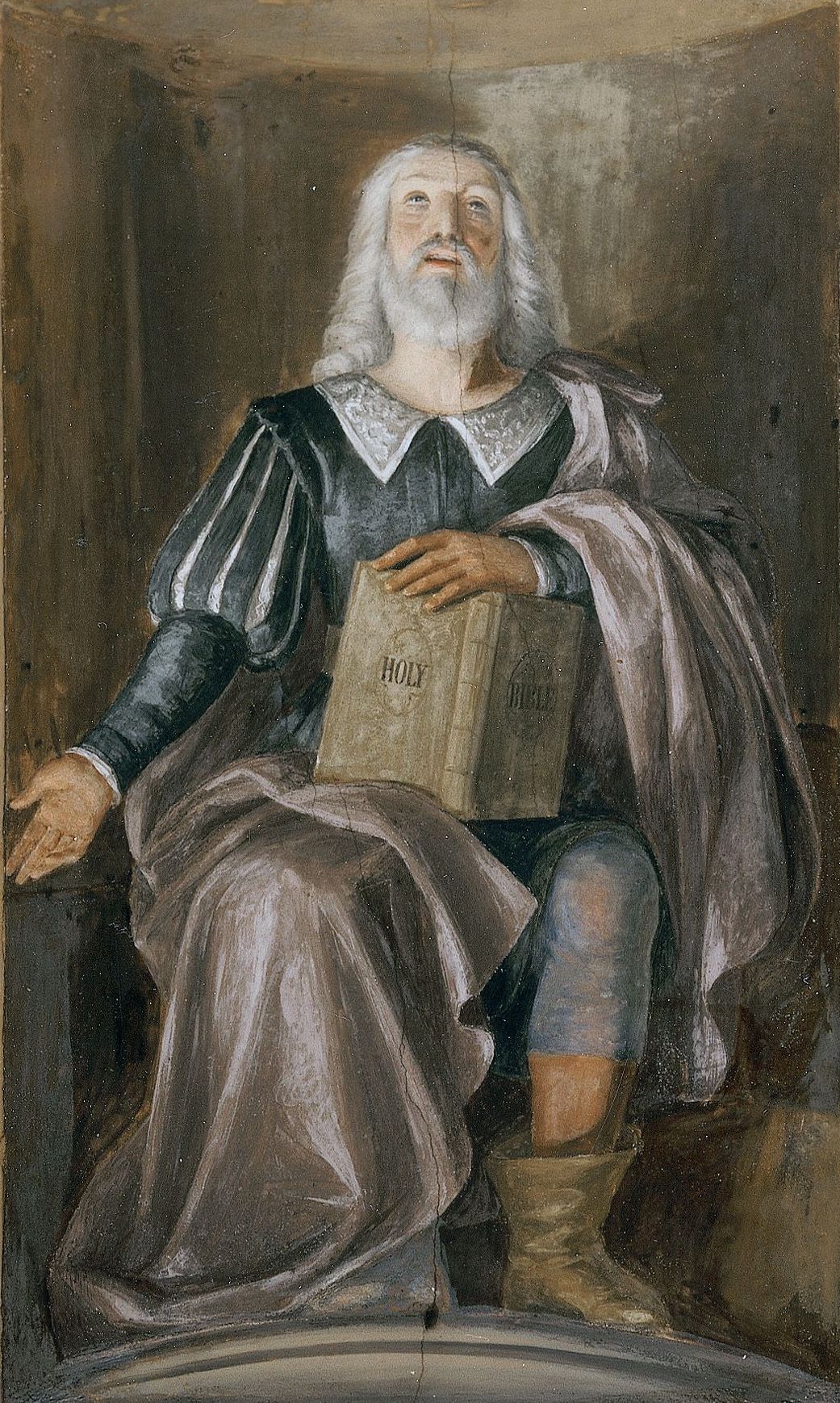
William Brewster
After years of harassment, this congregation of pious dissenters was eventually chased out of England by King James in 1607. They fleed to the city of Leiden, Holland for twelve years. Even though they no longer lived in England they still felt called to minister to their countrymen. So Pilgrim leader William Brewster began clandestinely printing religious books which would then be smuggled back into England. Needless to say, their contraband writing and “illegal” speech infuriated the King and officials in the Church of England. Although in a different country, they still were not free from the King of England’s reach. He sent out agents to uncover who was responsible for these “dangerous” opinions.3
Upon discovering the press of William Brewster in Leiden, James pressured the authorities to crack down on the Pilgrim enclave. Seeing the precariousness of their situation, the Pilgrims sent a delegation to England. They proposed a compromise in which they would travel to America in exchange for their religious freedom. Miraculously they secured an agreement. Now, they would have a place to practice their beliefs without interference from the King. In return, they had to give fifty-percent of their earning to the crown.4
Travel to America
With this plan the Pilgrims had to chart a new course through dangerous waters. Some decided to stay behind and others could not come. Then one of their boats was unable to make the trip—possibly due to sabotage—so even more were kept from the pilgrimage. By the time the Mayflower carried its collection of Pilgrims and Strangers (the name given to the other colonists who weren’t a part of the dissenters) only 104 souls embarked from the shores of the Old World.5 As Alexis de Tocqueville described so well in his monumental work, Democracy in America, the Pilgrims sought, “a land so barbarous and so abandoned by the world that they might yet be permitted to live there in their manner and pray to God in freedom.”6
Over the next year, from the voyage to the First Thanksgiving, the Pilgrims suffered from innumerable hardships. They steadily lost many of the men, women, and children. When they eventually celebrated the first successful harvest with their Native allies the following year, hardly 50 Pilgrims had survived.7 The fact that any of them survived is remarkable, but when placed within context it becomes undeniably miraculous.
Native Americans
Prior to the discovery of the New World by Christopher Columbus the Native Americans largely lived in a state of nearly continual and bloody conflict. Tribe against tribe, nation against nation, the Indians waged war over resources, land, and honor. Cannibalism, slavery, and human sacrifice were unfortunately common.8 Agricultural learning was still in its early stages of development. Their technology was centuries behind Europe when the two civilizations met. Indeed, the natives lacked items such as gunpowder, ocean-fairing vessels, or even wheeled transportation. There was no such thing as the peaceful and tranquil “noble savage.” The Native Americans were very much people—undeniably flawed, and in every way in as much need of the redeeming sacrifice of Christ as everyone else.
Pilgrims Vision
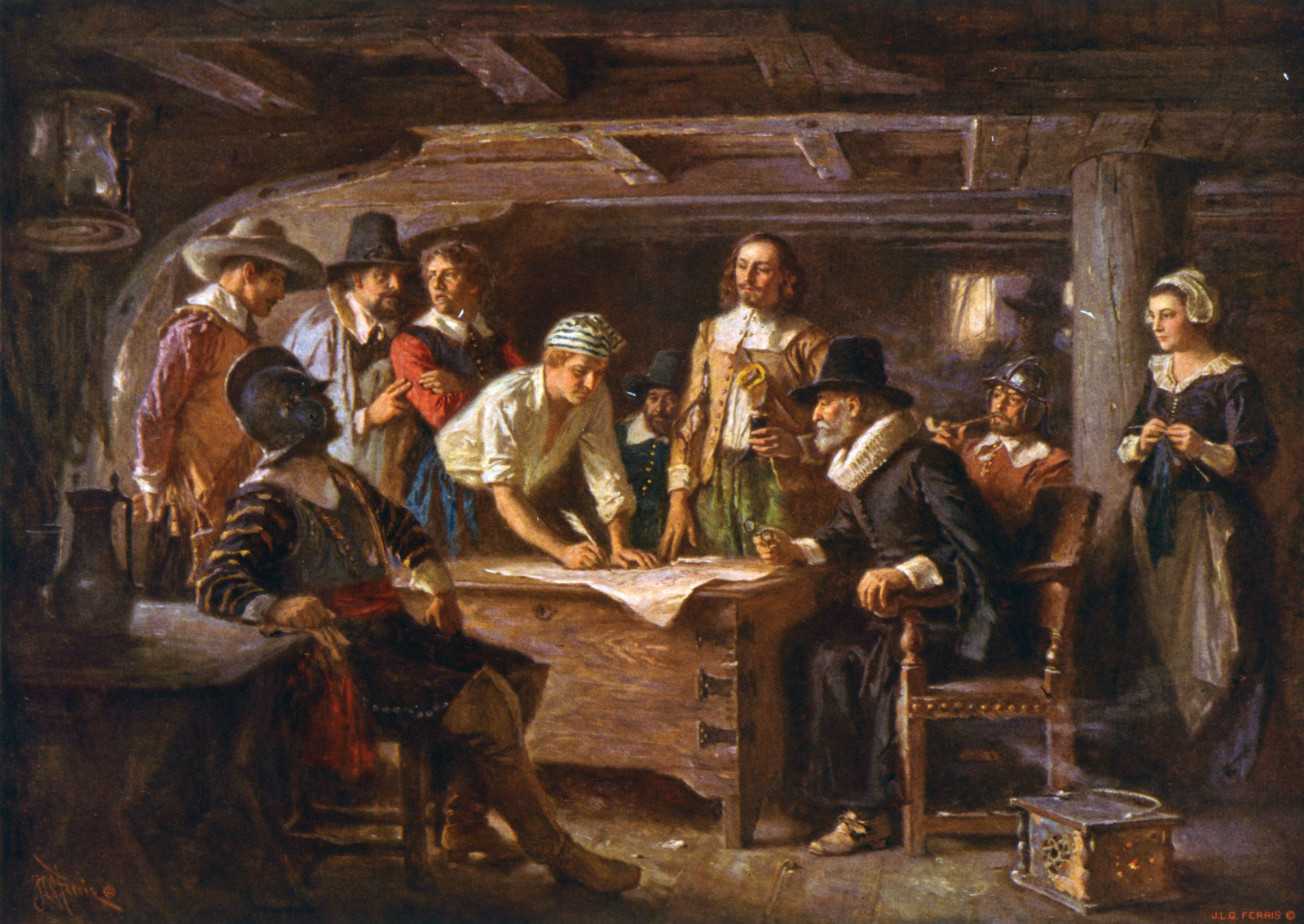
Signing the Mayflower Compact
It was on this land that the hardy Pilgrims—outcasts from their homeland and fugitives from tyrants—set their hopes. Their vision was twofold. On the one hand they hoped to carve out a home for themselves and their children where they could worship God in their own way instead of having their religious beliefs dictated to them by the King. On the other hand, the Pilgrims sincerely wished to bring the hope of Christianity to the native people.9 The Mayflower Compact explained that all that they had sacrificed, all they had suffered, and all they had risked was for “the glory of God, and advancement of the Christian faith.”10
Pilgrims Actions
These goals caused the Pilgrims to make many developments and advancements in the fields of government, education, religious freedom, human rights, and political liberty. When it came to relations with the surrounding Native American tribes, the Pilgrim’s Christian foundation enabled them to forge the longest lasting peace treaty in early American history and successfully begin evangelism efforts.11 Taking the Bible as the guide book to every major facet of life—a map to creation authored by the Creator—the Pilgrims instituted the free market, the institutional independence of the church from the dictates of the government, stronger protections for private property, and public education.12 In 1641 they also passed possibly the first anti-slavery law on the continent making “man-stealing” a capital offence.13
In fact, when a slave ship came to them in 1646, the Pilgrims prosecuted the slavers and liberated the slaves.14 Although far from perfect—for all have fallen short and sinned (see Romans 3:23)—those early beginnings of anti-slavery sentiment eventually led to the New England area being the first places in the modern world to abolish slavery, with Massachusetts specifically ending the institution in 1783—a full 50 years before England, which was the first independent nation to abolish slavery.15
Jamestown
However, the Pilgrims were not the only people to colonize the New World. As Tocqueville noted, America contains, “two principal offshoots that, up to the present, have grown without being entirely confused—one in the South, the other in the North.”16 In 1607 a group of merchants and traders had occupied land given to them in the New World by the King of England founding the colony of Jamestown, Virginia. Having different motivations, desires, and hopes, the colonists of Jamestown acted dramatically differently from the later Pilgrims.
Instead of coming for religious freedom, the Jamestown colonists largely came as agents of the King for the purpose of economic profit and trade. Thus, slavery was introduced early into Jamestown and protected by their legal codes. Their relations with the native tribes was markedly more contentious, tragic, and warlike. The lack of a Biblical structure and spiritual motivations created a vastly different environment.
Pilgrims vs Jamestown: The Fruits
These two seeds sprouted two rival trees which both sought to dominate the fertile land that eventually became the United States. From Jamestown the crooked and perverse Tree of Slavery began to creep across the young country. Plymouth, however, a different sort of plant took root. Based upon their dedication to the Bible, the Tree of Liberty first budded in the fields plowed by the Pilgrims. As the Scriptures say, “a tree is known by its fruit,” (Matthew 12:33), and the product of Jamestown and Plymouth differ drastically from one another.
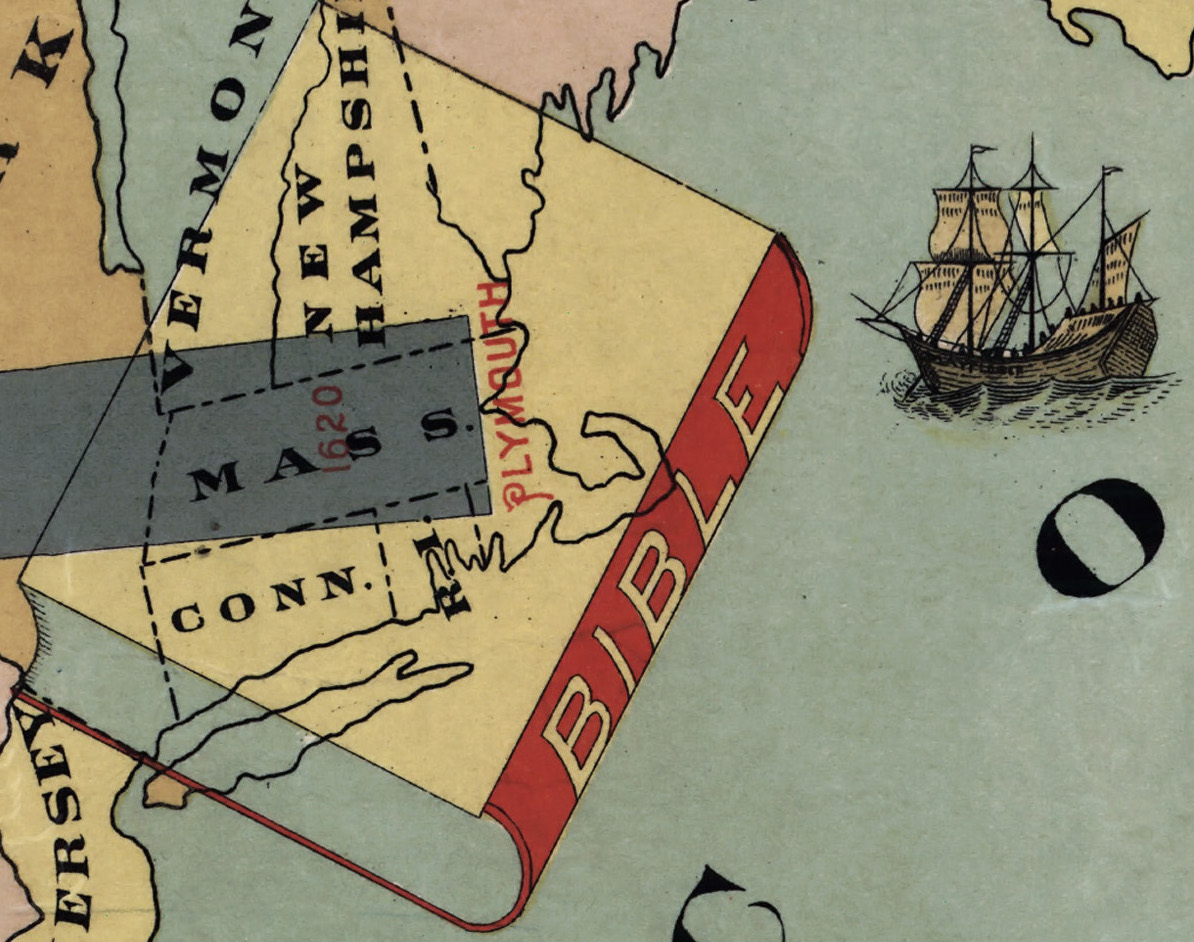
This map from 1888 perfectly illustrates this duality in the American identity—a tale of two cities. The map was created only a generation after the Civil War, which itself was but the cataclysmic struggle between the heirs of the differing philosophies of Jamestown and Plymouth. Designed to teach their children about the history behind the war, it traces the heritage for the South back to Jamestown and the North to Plymouth. Going further, the map highlights the fundamental difference between purpose of founding each colony. While Jamestown was established for mammon [worldly riches], Plymouth was planted upon the Bible.
Slavery
Jamestown and Mammon
From these two very different places, two trees sprouted and stretched across the country. From Jamestown grew the Tree of Slavery, whose poisoned branches produce pain, suffering, and evil. The fruit of slavery include: avarice, lust, ignorance, superstition, sedition, secession, treason, and rebellion. All who eat from this tree unrepentant are warned that their ultimate destination will surely be Hell.
The other seed, the one planted in Plymouth, leads to a much different kind of banquet. The Tree of Liberty produces: free schools, intelligence, knowledge, obedience to law, free speech, equal rights, contentment, love of country, industry, philanthropy, sobriety, benevolence, morality, happiness, justice, patience, virtue, charity, truth, faith, honor, hope, peace, joy, and light. Eventually take those who partake of this tree will at least have the taste of immortality, for such things all sprout from the fountainhead of Christ.
The Problem
Plymouth and the Bible
Today Americans find themselves upon a ship beset and besieged on all sides by turbulent storms and crashing waves. The ones who built this boat, the Founding Fathers, made it sturdy and with great wisdom, but it is up to us to decide where we will put ashore—and into which city will we disembark. Will it be Jamestown or Plymouth? Which tree will we take the fruit from?
There are many today who mistake the Tree of Slavery for one of security. There are serpents which crawl around deceiving many with high sounding nonsense. “Surely you will not die!” (Genesis 3:4). But death will be the least of our concerns if we chose that path. The sad and tragic histories of Germany, Russia, Venezuela, and more bear ample witness to what happens when nations eat of the fruit of slavery and oppression. We must not be similarly deceived.
The Solution
We must once again set a course towards the Tree of Liberty. It is undoubtedly the more difficult of the two paths. The voyage to this New Plymouth may be dangerous, we may be beset by innumerable hardships, and there is no guarantee that we all will make it through that first perilous winter—but freedom is irreplaceable. It is only in a state of liberty that humanity can make good the assertion that “all men are created equal and endowed by their Creator with certain inalienable rights.”17
On the 400th Anniversary of our Pilgrim forefathers planting this small seed of freedom in a world of tyranny and oppression, let us “combine and covenant ourselves together”18 once again in order to turn their tree into an orchard so that all may partake in this feast of liberty. If we work diligently, the harvest will allow us to finally join together in a new day of genuine and heartfelt Thanksgiving just like those pious heroes did some four centuries ago.
Endnotes
1 “A Declaration by the Representatives of the United States of America,” 1776, The Constitutions of the Several States of America; The Declaration of Independence (Philadelphia: J. Stockdale, 1782), 5, here.
2 William Bradford, The History of Plymouth Plantation (Boston: Little, Brown and Company, 1856), 10.
3 Ashbel Steele, Chief of the Pilgrims: Or The Life and Time of William Brewster (Philadelphia: J. B. Lippincott and Co., 1857), 171-180, here.
4 William Bradford, The History of Plymouth Plantation (Boston: Little, Brown and Company, 1856), 46.
5 “List of Mayflower Passengers,” Society of Mayflower Descendants in the State of New York: Fourth Record Book (October 1912): 167-178, here.
6 Alexis de Tocqueville, trans. Harvey Mansfield, Democracy in America (Chicago: University of Chicago Press, 2000), 32.
7 Walter Wheeler, An Illustrated Guide to Historic Plymouth Massachusetts (Boston: The Union News Company, 1921), 57-58, here.
8 See, for example, Jonathan Richie, “Before the West was Won: Pre-Columbian Morality,” WallBuilders (October 12, 2019): here; Fernando Santos-Granero, Vital Enemies: Slavery, Predation, and the Amerindian Political Economy of Life (Austin: University of Texas Press, 2009), 226-227.
9 Joseph Banvard, Plymouth and the Pilgrims (Boston: Gould and Lincoln, 1851), 25.
10 Henry Dexter, editor, Mourt’s Relation; or Journal of the Pilgrims at Plymouth (Boston: John Kimball Wiggin, 1865), 6.
11 David Bushnell, “The Treatment of the Indians in Plymouth Colony,” The New England Quarterly 26, no. 2 (1953): 193-194, 207, here.
12 Cf., David Barton and Tim Barton, The American Story: The Beginnings (Aledo: WallBuilders Press, 2020), 79-80.
13 “The Body of Liberties of the Massachusetts Colony in New England,” 1641, Documents of the Constitution of England and America, from Magna Charta to the Federal Constitution of 1789, ed. Francis Bowen, (Cambridge: John Bartlett, 1854), 72.
The Body of Liberties also said: “There shall never be any bond-slavery, villeinage, or captivity amongst us, unless it be lawful captives taken in just wars, and such strangers as willingly sell themselves, or are sold to us. And these shall have all the liberties and Christian usages which the law of God established in Israel concerning such persons” (here). In most of world history, as in the time of ancient Israel, there were usually just two options for an enemy conquered in war: kill or enslave them.
The Bible gave explicit limitations to slave owners, such as if slaves escape, the owner is not to pursue them (Deuteronomy 23:15-16), or if the owner injures them, they are to be set free (Exodus 21:26-27), and other such requirements to which the Massachusetts code alludes. So while this Massachusetts code did permit some degree of slavery, it was much narrower than what was practiced in the world at that time or became common in the South. It was permitted only for “lawful captives taken in just wars” and “such strangers as willingly sell themselves, or are sold to us.” And since this same code banned “man-stealing,” no one could purchase slaves kidnapped from another country, as was typical with the African slave trade. “Villeinage” refers to the feudal practices of Europe by which land tenants became the slaves of the owner, which was banned by Massachusetts.”
14 Nathaniel Shurtleff, Records of the Governor and Company of the Massachusetts Bay in New England (Boston: William Whites, 1853), 2.168, 176.
15 For more see, Jonathan Richie, “America’s Exceptional History of Anti-Slavery,” WallBuilders (April 6, 2020): here.
16 Alexis de Tocqueville, trans. Harvey Mansfield, Democracy in America (Chicago: University of Chicago Press, 2000), 30.
17 “A Declaration by the Representatives of the United States of America,” 1776, The Constitutions of the Several States of America; The Declaration of Independence (Philadelphia: J. Stockdale, 1782), 1, here.
18 Henry Dexter, editor, Mourt’s Relation; or Journal of the Pilgrims at Plymouth (Boston: John Kimball Wiggin, 1865), 5-7.
Recently America has witnessed a horrific tragedy in the killing of George Floyd by a police officer. To date, the officer has been fired, arrested, and charged with murder. Currently he is awaiting trial, at which point he will be prosecuted in front of a jury of his peers. This is the American judicial system punishing someone who has broken the law and violated the most central of the principles outlined in the Declaration—the right to life.
Peaceful protesters have marched around the country to demand justice. However, in the midst of justified outrage some people have themselves begun committing unjustifiable acts, assaulting and murdering police officers, burning down buildings, mercilessly beating people, and destroying their fellow citizens’ property. Out of town activists and professional agitators have poured into metropolitan centers and led rioters to destroy businesses, housing units, and even churches.
In defense of these heinous acts, some people have begun pointing to the Boston Tea Party as an example of how violent riots are part of American tradition. This historical perspective, however, is only possible if you don’t know the first thing about the Boston Tea Party, who was involved, and why it happened.
As a brief background, the British Parliament had been passing laws taxing American colonists for years without allowing for any recourse through representation in Parliament. (Although the Colonists had elected representatives in local government, they had no elected leaders to represent them in England.) This principle of arbitrary power exerted by the government was clearly illustrated by a tax on imported tea despite colonial resistance.
In 1773, England passed the Tea Act which effectively forced the colonists to import and pay for specifically English tea. One early historian explained that the British Prime Minister declared that, “it was of no use for anyone to offer objections, for the king would have it so.”[1] At major American ports commissioners were appointed to receive and pay for the tea, meaning that even if no individuals directly purchased tea, all the colonists would be taxed for it.
Naturally, the Americans were indignant and the colonists acted to prevent the tea from being received at the ports. In many cases, the British appointed leaders overseeing the importation stepped down or the tea-laden ships were forced to turn back to England. Benjamin Franklin explained that none of Great Britain’s actions were “sufficient to overcome all the patriotism of an American.”[2]
In Boston, however, the Royal Governor, Thomas Hutchinson, forced the ships to stay in the harbor and the commissioners (two of whom were Hutchinson’s sons) refused to step down.[3] When three ships carrying the tea arrived, Abigail Adams explained the tense and dangerous situation that met the patriots:
“The tea (that baneful weed) is arrived. Great, and I hope, effectual opposition has been made to the landing of it.…the proceedings of our Citizens have been united, spirited and firm. The flame is kindled and like lightning it catches from soul to soul. Great will be the devastation if not timely quenched or allayed by some more lenient measures.”[4]
On both sides of the Atlantic all eyes turned to Boston to see what the patriots would do. In Philadelphia, who had been successful in getting their British appointed commissioners to resign, it was stated, “all that we fear is that you will shrink at Boston. May God give you virtue enough to save the liberties of your country!”[5]
With time running out and all other options exhausted, nearly 7,000 Bostonians gathered at the Old South Meeting House and learned from ship’s owner, Joseph Rotch, that his request to sail back to England had been rejected and that if the tea was not unloaded that night it was subject to confiscation by the English navy (who undoubtedly would land the tea and tax the colonists).[6]
The colonists acknowledged that Rotch “was a good man who had done all in his power to gratify the people; and changed them [the people] to do no hurt to his person or his property.”[7] The patriots had formulated a plan to disguise themselves, board the ships and dump the tea in the harbor. At this point Samuel Adams called forth the men, wearing native American dress, and they proceeded to the ships and dumped the tea into the Boston Harbor.
Upon hearing the news of the “Tea Party”, John Adams exclaimed:
“This is the most magnificent movement of all. There is a dignity, a majesty, a sublimity, in this last effort of the patriots, that I greatly admire.”[8]
However, with this background in mind, the Boston Tea Party was not a riot by any stretch of the imagination for two important reasons.
First, it was 100% peaceful with no looting, rioting, injury, or destruction of person or private property.
It is no historical accident that it was called a party and not a riot. Throughout all of the actions taken by the patriots during that night, no personal property was destroyed. The tea itself, which was owned by the government-run East India Company and being forced upon the colonists by government edict, was the only item targeted.
In a letter written to Benjamin Franklin immediately after the Tea Party, it was explained that the Sons of Liberty arrived and demanded:
“the Tea, which was given up to them without the least resistance, they soon emptied all the chests into the harbor, to the amount of about three hundred and forty. This was done without injury to any other property, or to any man’s person…When they had done their business, they silently departed, and the town has been remarkably quiet ever since.”[9]
In fact, when it was discovered that one opportunist had filled his pocket with some tea, he “was stripped of his booty and his clothes together, and sent home naked,” with the writer sarcastically noting that it was “a remarkable instance of order and justice, among savages.”[10]
The morning after the Tea Party, John Adams reported that:
“The town of Boston, was never more still and calm of a Saturday night than it was last night. All things were conducted with great order, decency, and perfect submission to government” (emphasis in original).[11]
The early historian Richard Frothingham documents that:
“Notwithstanding the whoop, mentioned to have been given when the party went on board, they proved themselves quiet, orderly, and systematic workers; the parties in the ships doing faithfully the part assigned to them. In about three hours, they broke open three hundred and forty-two chests of tea, and cast their contents into the water. There was no interference with them; no person was harmed; no other property was permitted to be injured; and no tea was allowed to be purloined.…The inquirer will seek in vain in this deed for the tiger-like growl of an infuriated mob.”[12]
The ship owner himself, Joseph Rotch, explained to Governor Hutchinson that before the Tea Party the Boston assembly had given him no reason to fear the fury of the mob or the threat of a riot, noting that “his concern was not for his ship, which he did not believe was in danger, but he could not tell what would be the fate of the tea on board.”[13]
Gov. Hutchinson
In fact, everything was so peaceful and orderly that even crown-appointed Governor Hutchinson was forced to confess that, “the whole was done with very little tumult.”[14]
This is not to say that the situation couldn’t have quickly or easily turned violent. John Adams notes that there were bad actors who wished, “that as many dead Carcasses were floating in the Harbor as there are Chests of Tea.”[15] But to do so would have been wrong and injured innocent people like the ship owner Rotch who was just as much a victim of English tyranny as they were. Additionally, in the weeks leading up to the Boston Tea Party, patriot leaders had even stopped mobs from rioting.[16]
Indeed, it was documented that, “neither revenge, nor a spirit of hostility to rights of property or persons, formed a part of the program of the popular [patriot] leaders.”[17] And so stalwart were the patriots in their commitment to peaceful resistance that they “had been as true to the idea of order as they had been faithful to the cause of liberty.”[18]
Secondly, the colonists had only two options remaining them in that situation, pay the unjust tax or throw the tea into the harbor.
The Bostonians, along with all the other American colonists, had no representation in the English Parliament who were passing laws like the 1773 Tea Act. This meant that the colonists had no real legal way to seek the redress of their grievances. Therefore, the famous motto became “no taxation without representation.”
John Adams recognized that the patriots would not have been right if the problem could have been addressed in a different way. The morning after the Boston Tea Party, he wrote in his diary:
“The question is whether the destruction of this tea was necessary? I apprehend it was absolutely and indispensably so. They could not send it back, the Governor, Admiral and Collector and Comptroller would not suffer it. It was in their power [i.e. the Governor’s] to have saved it—but in no other. It [the ship] could not get by the castle, the Men of War [the British warships] &c. Then there was no other alternative but to destroy it or let it be landed. To let it be landed, would be giving up the principle of taxation by Parliamentary authority, against which the Continent have struggled for 10 years, it was losing all our labor for 10 years and subjecting ourselves and our posterity forever to Egyptian taskmasters—to burthens, indignities, to ignominy, reproach and contempt, to desolation and oppression, to poverty and servitude.”[19]
However, even with all of that at stake, the patriot leaders were careful to never let their justified anger lead them to commit unjustified acts of violence against innocent people.
Adams was not alone in his evaluation, and fellow patriot Thomas Cushing explained that the British policy concerning the forced importation of tea was, “the source of their distress, a distress that borders upon despair and they know not where to fly for relief”[20] After months of working to find a different effectual means of resolution the Bostonians had nowhere else to go.
Indeed, one of the Tea Party participants outlined their situation and how the English government had rejected all other methods of handling it:
“The Governor, Collector, and Consignees, most certainly had it in their power to have saved this destruction, and returned it undiminished to the owner, in England, as the people were extremely desirous of this, did everything in their power to accomplish it, and waited so long for this purpose, as to run no small risk of being frustrated in their grand design of preventing it’s being landed.”[21]
It was only, “after it had been observed to them, that, everything else in their power having been done, it now remained to proceed in the only way left,” and the tea was destroyed. [22] But, as mentioned early, the colonists saw that, “the owner of the ship having behaved like a man of honor, no injury ought to be offered to his person or property”[23]
The situation in American today is entirely different. Respect and decency are not being shown to innocent people or business owners. The current riots are like a destructive tornado set on destroying everything in its path.
Peaceful protests are protected by the Bill of Rights, but violent riots which destroy, loot, and victimize are antithetical to the American idea. The comparison of the violent riots to the Boston Tea Party is wildly unfounded and demonstrates that Americans should study their history before they try to weaponize it.
Endnotes
[1] John Fiske, The American Revolution (Boston: Houghton Mifflin Company, 1919, originally published 1891), 81.
[2] Benjamin Franklin, The Works of Benjamin Franklin (Philadelphia: William Duane, 1809), 6:310, to Thomas Cushing on June 4, 1773, in which Franklin said, “They have no idea that any people can act from any other principle but that of interest; and they believe that three pence on a pound of tea, of which one does not perhaps drink ten pounds in a year, is sufficient to overcome all the patriotism of an American.”
[3] Richard Frothingham, Life and Times of Joseph Warren (Boston: Little, Brown, & Company, 1865), 238, here.
[4] Abigail Adams, “To Mercy Otis Warren, 5 December 1773,” Founders Archive (accessed June 1, 2020), here.
[5] Richard Frothingham, Life and Times of Joseph Warren (Boston: Little, Brown, & Company, 1865), 267, here.
[6] See, Richard Frothingham, The Rise of the Republic of the United States (Boston: Little, Brown, and Company, 1872), 306-308; Richard Frothingham, Life and Times of Joseph Warren (Boston: Little, Brown, & Company, 1865), 275; and George Bancroft, History of the United States (Boston: Little, Brown and Company, 1854), 6:482-487.
[7] Richard Frothingham, Life and Times of Joseph Warren (Boston: Little, Brown, & Company, 1865), 279, here.
[8] John Adams, “1773. Decr. 17th. From the Diary of John Adams,” Founders Archive (accessed June 1, 2020), here.
[9] Samuel Cooper, “To Benjamin Franklin, 17 December 1773,” Founders Archive (accessed June 1, 2020), here.
[10] Samuel Cooper, “To Benjamin Franklin, 17 December 1773,” Founders Archive (accessed June 1, 2020), here.
[11] John Adams, “To James Warren, 17 December 1773,” Founders Archive (accessed June 1, 2020), here.
[12] Richard Frothingham, Life and Times of Joseph Warren (Boston: Little, Brown, & Company, 1865), 281, here.
[13] Thomas Hutchinson, The History of the Province of Massachusetts Bay From 1749 to 1744 (London: John Murray, 1828), 435, here.
[14] Edward Howland, Annals of North America (Hartford: The J.B. Burr Publishing Company, 1877), 298, here.
[15] John Adams, “1773. Decr. 17th. From the Diary of John Adams,” Founders Archive (accessed June 1, 2020), here.
[16] See, for example, Richard Frothingham, Life and Times of Joseph Warren (Boston: Little, Brown, & Company, 1865), 251, here.
[17] Richard Frothingham, Life and Times of Joseph Warren (Boston: Little, Brown, & Company, 1865), 258, here.
[18] Richard Frothingham, Life and Times of Joseph Warren (Boston: Little, Brown, & Company, 1865), 273, here.
[19] John Adams, “1773. Decr. 17th. From the Diary of John Adams,” Founders Archive (accessed June 1, 2020), here.
[20] Thomas Cushing, “To Benjamin Franklin, 10 December 1773,” Founders Archive (accessed June 1, 2020), here.
[21] Samuel Cooper, “To Benjamin Franklin, 17 December 1773,” Founders Archive (accessed June 1, 2020), here.
[22] Thomas Hutchinson, The History of the Province of Massachusetts Bay From 1749 to 1744 (London: John Murray, 1828), 436, here.
[23] Thomas Hutchinson, The History of the Province of Massachusetts Bay From 1749 to 1744 (London: John Murray, 1828), 436, here.
Democratic Senator Tim Kaine announced on the floor of the Senate that:
“The United States didn’t inherit slavery from anybody. We created it.”1
For even the most basic student of world history such a statement ought to immediately be recognized as incomprehensively ridiculous. Historically, every single people, nation, culture, and race has at various times been both the slave and the master. Indeed, “all have sinned and fallen short” (Romans 3:23). Sen. Kaine, just like the famously inaccurate 1619 Project, must ignore documented history and create his own fantasy world to arrive at such a conclusion.
For example, in ancient Greece—which existed thousands of years before America—nearly 30% of their population were slaves. The Roman Empire reached a staggering 40%.2 In fact, one of the most significant and widely known aspects of the Bible centers around the Israelites being delivered out of slavery in Egypt through the famous Exodus. We could walk through every nation in human history and find a tragic past riddled with slavery.
Arab Slavers
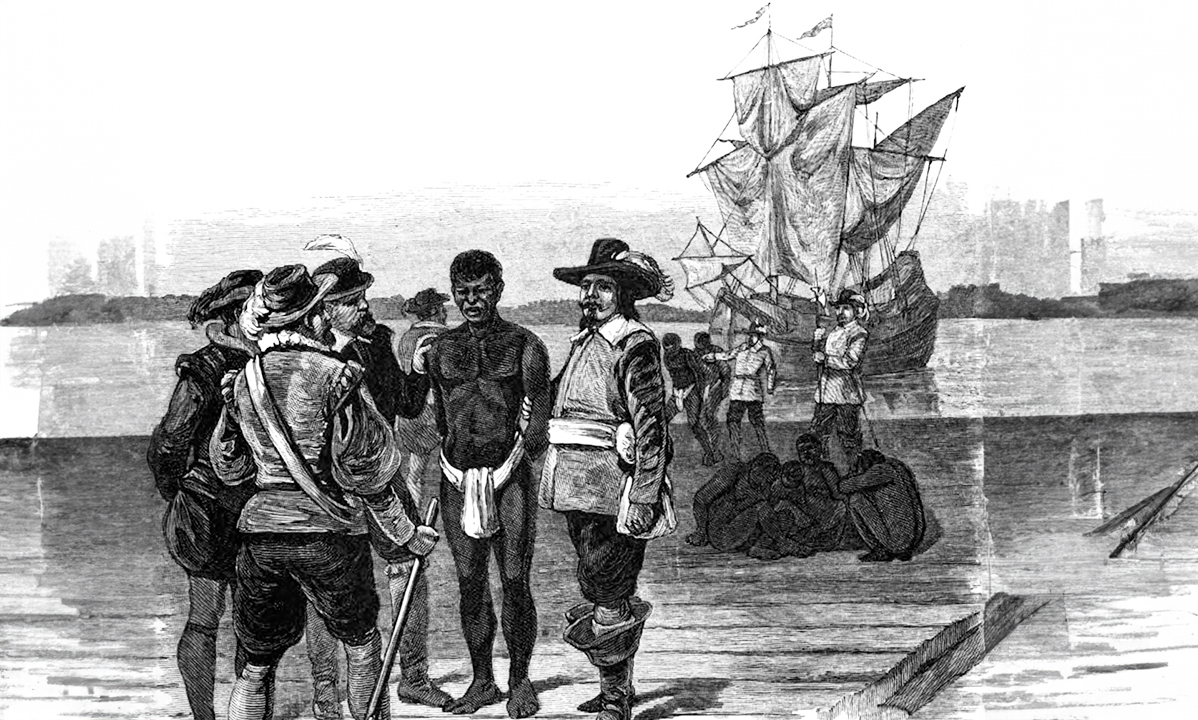
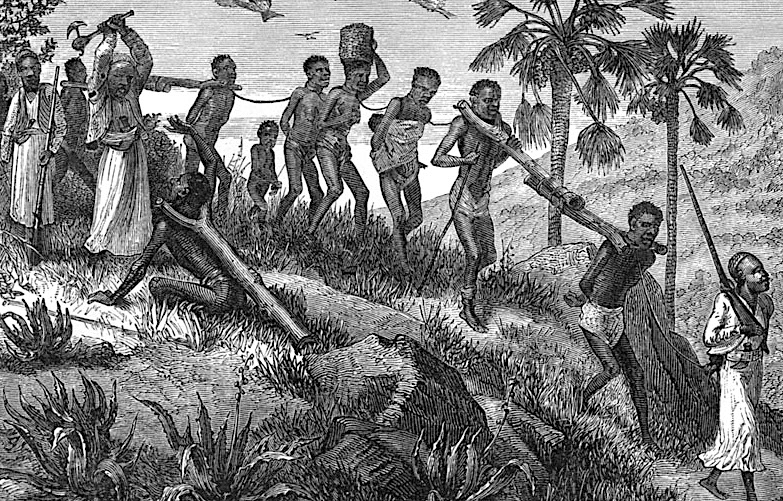
Prior to the creation of the Trans-Atlantic Slave Trade by the Spanish from Africa to South America in the early 1500s, Africa already participated in a robust trans-Saharan and Indian Ocean slave trade. Black tribes would raid, capture, and enslave other black tribes for profit, selling them across the continent and beyond. Many of these slaves were sold into the Islamic Middle East, and “medieval Arabs came to associate the most degrading forms of labor with black slaves.”3 Most likely it was this racial bias which was translated to the Iberian Peninsula (i.e., Spain and Portugal) when the Muslims conquered parts of that area in the 8th century. When the Spanish became the first European nation to significantly colonize the New World, they seemingly brought this bias with them which was thereby disseminated through the Americas, North, Central, and South. In this sense, America very literally inherited racial slavery—from the Arab Middle East through Spain.
Christian Slaves
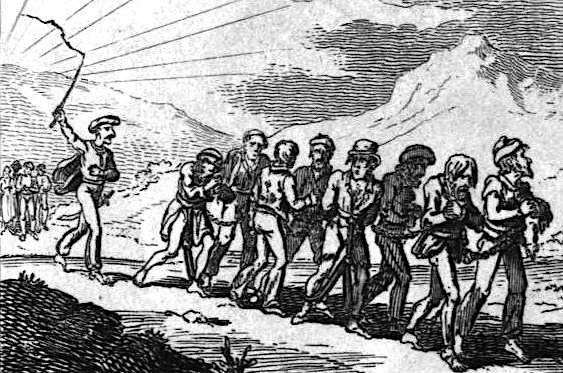
What is perhaps even more astounding is that a larger number of white Europeans were captured and sold into African slavery than the number of Africans sold into the land that would become the United States. Just over 300,000 black slaves landed in the North American colonies which became America4 but 1,250,000 white Europeans were captured and shipped to slave markets in Northern Africa.5 This Barbary Coast Trade lasted longer than American slavery and was only stopped through the naval efforts of the British and Americans. Furthermore, it was not until the late 17th century that black slaves in the New World outnumbered white slaves in the Old.6
Additionally, for hundreds of years before Christopher Columbus ever conceived of the idea to sail westward, the Native Americans practiced mass slavery amid other practices including human sacrifice and cannibalism. This pre-Columbian native slave trade was so prolific that “wherever European conquistadors set foot in American tropics, they found evidence of indigenous warfare, war captives, and captive slaves.”7 Indeed, indigenous cultures saw slavery rates so prevalent that up to 20-40% of all Indians were enslaved by other Indians.8
Trans-Atlantic Slave Trade
Even today, nearly 160 years after America became one of the first nations to abolish slavery, there are still 94 nations that do not have laws criminalizing slavery.9 This has led to the enslavement of over 40 million people in the world right now. In a stroke of tragic irony, Africa has the highest rate of slavery today, closely followed by Asia,10 while North America has the lowest.11 Currently, Africa holds some 9,240,000 people in chains and slavery today,12 which is nearly identical to the total number of slaves disembarked in the entire New World (North, Central, and South America) throughout the almost four centuries of the Trans-Atlantic slave trade.13
So, clearly Sen. Tim Kaine must either be completely ignorant about the history of slavery or maliciously intentional in his presentation of “facts.” America in no way created slavery—in fact, if we were to say anyone “created” slavery in America we must conclude that the indigenous people did so. By contrast, the United States, despite its well-known shortcomings, ought to receive credit for having done more than nearly any other nation in the history of the world to fight slavery both in the past and today.
(Our book, The American Story: The Beginnings, has extensive information on the history of slavery not only in the United States but also the world.)
Endnotes
1 Tobias Hoonhout, “Dem Sen. Kaine Claims United States ‘Created’ Slavery and ‘Didn’t Inherit Slavery from Anybody,’” National Review, June 16, 2020. 2 Fernando Santos-Granero, Vital Enemies: Slavery, Predation, and the Amerindian Political Economy of Life (Austin: University of Texas Press, 2009), 226-227. 3 Philip Morgan, “Origins of American Slavery,” Organization of American History Magazine of History (July 2005), 19:4:53. 4 “Summary Statistics,” Slave Voyages, accessed June 16, 2020. Summary Statistics with the Principle Place of Slave Landing being restricted to Rhode Island, Maine, New Hampshire, Massachusetts, Connecticut, New York, New Jersey, Pennsylvania, Maryland, Virginia, North Carolina, South Carolina, Georgia, Florida, the Gulf Coast, and “Other North America.” 5Past & Present (Aug., 2001), No. 172, 118, Robert C. Davis, “Counting European Slaves on the Barbary Coast”; Robert C. Davis, Christian Slaves, Muslim Masters: White Slavery in the Mediterranean, the Barbary Coast, and Italy, 1500-1800 (NY: Palgrave MacMillan, 2004), 23-24. 6 Morgan, “Origins of American Slavery,” American History Magazine (July 2005), 19:4:53. 7 Santos-Granero, Vital Enemiese (2009), 1. 8 Santos-Granero, Vital Enemies (2009), 226-227. 9 Sonia Elks, “Slavery is Not a Crime for Almost Half the Countries in the World,” Reuters (February 12, 2020), accessed June 16, 2020. 10 “Prevalence Across the Regions,” Global Slavery Index (2018), accessed June 16, 2020, here. 11 “Regional Highlights: Americas,” Global Slavery Index (2018), accessed June 17, 2020, here. 12 “Region Highlights: Africa,” Global Slavery Index (2018), accessed June 16, 2020, here. 13 “Summary Statistics,” Slave Voyages, accessed June 16, 2020.
* This article concerns a historical issue and may not have updated information.
In the midst of all the passion, division, and activism, there should be at least one central premise that every American can agree on—that life matters. But increasingly the truth is becoming clear that only certain lives matter. Specifically speaking, leftist activist group “Black Lives Matter” says one thing but then works to destroy the lives of thousands of black people.
For example, on the BLM “What we Believe” page they claim to be:
Guided by the fact that all Black lives matter, regardless of actual or perceived sexual identity, gender identity, gender expression, economic status, ability, disability, religious beliefs or disbeliefs, immigration status, or location (emphasis added).[i]
In every location, that is, except the womb.
Since nearly the beginning of the organization, BLM has associated themselves with anti-life groups, while in the same breath ironically declaring that, “our lives are at stake.”[ii] One co-founders of BLM explained that, “we certainly understand that BLM and reproductive justice go hand in hand.”[iii]
Calling abortion “reproductive justice” cannot hide the fact that for every successful abortion there is a victim whose life apparently didn’t matter enough. Such double-speak only attempts to deflect the attention away from the ideological hypocrisy rampant in the organization.
Overall in America, there were 862,000 babies killed by abortion in 2017, which means an average of 2,362 a day.[iv] Statistically, in 2016 (the most recent year for which data exists), 38% of abortions were by black women.[v] Thus, an estimated 898 black babies die every single day, and as many as 327,560 per year.
To expand our inquiry even further, there have been over 60,000,000 abortions since Roe v. Wade in 1973.[vi] Just how many millions of black children didn’t matter? Certainly more than the total number of slaves ever brought from Africa. It should, therefore, come as no surprise that in New York a higher percentage of black babies are aborted than born.[vii] This is an odd kind of justice.
Paradoxically, the main group claiming to champion black lives supports those institutions that kill more black people daily than the police have killed—whether justified or not—in the last three years combined.[viii] Comparatively, a black person is 1,187 times more likely to never be born than they are to be killed by a police officer.[ix] Historically speaking, it takes abortion clinics less than four days to kill more black people than all of the Jim Crow lynchings combined.[x]
So, do black lives really matter? I believe they do, and that is why we must abolish abortion.
Endnotes
[i] “What We Believe,” Black Lives Matter (accessed June 19, 2020).
[ii] “Black Lives Matter Partners With Reproductive Justice Groups to Fight for Black Women,” Color Lines (February 9, 2016), accessed June 19, 2020, here.
[iii] “Black Lives Matter Partners With Reproductive Justice Groups to Fight for Black Women,” Color Lines (February 9, 2016), accessed June 19, 2020, here.
[iv] “The U.S. Abortion Rate Continues to Drop: Once Again, State Abortion Restrictions Are Not the Main Driver,” Guttmacher Institute (September 18, 2019), accessed June 19, 2020, here.
[v] “Abortion Surveillance — United States, 2016,” Centers for Disease Control and Prevention (November 29, 2019), accessed June 19, 2020, here.
[vi] “The State of Abortion in the United States,” National Right to Life Committee (January 18, 2018), accessed June 19, 2020, here.
[vii] “Abortion Reporting: New York City (2016),” Charlotte Lozier Institute (December 19, 2018), accessed June 19, 2020, here.
[viii] “National Trends,” Mapping Police Violence (accessed June 19, 2020), here. More specifically there were 783 black Americans killed by police in both justified and unjustified situations in the years, 2017 (276), 2018 (248), and 2019 (259).
This is a part of our Alumni Series of articles written by past participants of the WallBuilders/Mercury One Summer Institutes (formerly the Leadership Training Program).
By Erin Hogan – Class of 2016
Truth. The 1828 Webster definition of truth states that it is, “Conformity to fact or reality; exact accordance with that which is, or has been, or shall be.” The modern dictionary says, “the true or actual state of a matter: conformity with fact or reality; verity.”
John C.P. Smith in an article titled “What is Truth” (Smith, 2015) said biblical truth is “inextricably linked to the dependable, unchanging character of God. You can trust everything He says; He never lies; He always keeps His Word; He’s faithful to all His promises.” Biblical truth says that God is the same yesterday, today, and forever (Hebrews 13:8). The Bible also says that Jesus is the truth (John 14:6).
We see what the world did to the incarnate truth. They crucified Him. Is this not a picture of what we are seeing in our world today? The crucifixion of biblical truth? There are two ways that I see biblical truth being exploited today. Let’s take a look at these:1
Truth is being distorted.
Progressives are pushing for Christians and people of faith to accept liberal ideologies like the LGTBQ movement or else suffer the consequences. Many cry out for the Christian to love, and yet in their demand for Christians to follow love, they miss the biblical and godly definition of love. It is because of love that Christians and people of faith decry the dereliction from the Bible that is personified in the LGTBQ movement and the progressively liberal ideas of today.
A recent example of distorting the truth would be society’s embrace of Cultural Marxism. The outcry and demand for people to apologize amidst anarchy or the call to defund the police is really a call to pander to a rebellious generation of all ethnicities who want things handed to them while ignoring the real issues of justice, social reform and those who are hurting in our society.
In confronting Cultural Marxism, Dr. Voddie Baucham said:
“There’s no such thing as social justice, people. In fact, in the Bible, justice never has an adjective. There’s justice and there’s injustice, but there’s not different kinds of justice.”
Many modern churches and Christians have fallen for these mistruths, erroneously slipping away from the solid biblical truth that we are called to uphold.
We also see truth being mishandled in our government. This is nothing new, but with the recent SCOTUS decisions regarding “sexual orientation,” “gender identity” and abortion, we see a moving away from historic and constitutional truth as well as biblical truth. Originalism is hanging by a thread while most of our justices claim stare decisis (a Latin phrase meaning “to stand by the decided things) and precedent of past erroneous legal decisions in making their rulings today. We have seen examples of this in recent SCOTUS cases like: R.G. & G.R. Harris Funeral Homes v. Equal Employment OpportunityCommission and June Medical Services v. Russo.
In both of these cases, the truth was extremely distorted—all to fit the current narrative of the progressive definition of truth. Justice Thomas was right in his dissent on June Medical Services v. Russo when he said, “Because we can reconcile neither Roe nor its progeny with the text of our Constitution, those decisions should be overruled.” (JUNE MEDICAL SERVICES L. L. C. ET AL. v. RUSSO,, 2020) The Constitution must be the guide, especially when the precedent is unconstitutional.
Dr. Voddie Baucham once said, “Culture doesn’t dictate truth; the gospel dictates truth.” That leads us to the second threat to biblical truth in our society.2
Truth, and those who profess it, are being attacked and exploited.
Cutting off Christian thought and opinion from the public sphere has been a prevalent issue for many years. We have seen that in our universities, government buildings, the military, and public schools. Sadly, our brothers and sisters in Christ around the world are facing opposition to the truth in a much harsher way, with many giving their lives or spending long jail sentences to uphold it.
LGBTQ progressives are pushing their agenda into our businesses, schools, and churches as they seek to shut the mouths of citizens living out their faith in the public sphere.
Our history is also being attacked. Winston Churchill knew, that in his day, not learning from history was a dangerous thing. That is why he once said, “Those who fail to learn from history are condemned to repeat it” to the House of Commons in 1948 after having faced two great world wars. Unfortunately, his statue is one of many that has been vandalized in the recent riots. This, the statue of a man who helped to save the world.
If we destroy our history, whether that be tearing down statues because it offends us or distorting history textbooks because it doesn’t fit into our political narrative and agenda then we are destined to repeat it and will end up somewhere that is unrecognizable.
So, what do we do about this? What are Christians to do?
What Do We Do?
Something that I have learned is that truth is not a free for all. There aren’t numerous truths or truths for each person. There is only one truth.
Truth must be sought out and properly handled so that it is not distorted amongst the wide and varied array of voices and mistruths exhibited in our culture today. In Proverbs 23 it says to, “Buy the truth, and do not sell it; get wisdom and instruction and understanding.” Truth is not something to be toyed with. It is to be sought out, and then grounded in so that we can speak it out boldly.
When it comes to biblical truth, we are to ground ourselves in it by studying “to show thyself approved unto God, a workman that needeth not to be ashamed, rightly dividing the word of truth” (2 Timothy 2:15). We’re also commanded to pray for our leaders so we can live a peaceable and quiet life (1 Timothy 2:1-2). We are to pray for an environment where we can live peaceable and quiet lives in all godliness. The apostle Paul was telling this to the Christians who were facing heavy persecution in that day.
We should also look to our roots and the rich history that we have. Today, many are pointing only to the bad things of history of which this country and so many others are guilty of. America is not perfect and never has been. But it is still one of the only countries in the world that has sought to repair its wrongs and continue to wave the flag of freedom for ALL. We are a country that can fix itself because of the way that our system was set up by our founders. Our people can confront a wrong and deal with it. We can vote bad people out of office. We can peacefully protest. We can even run for office. This is why our nation is so great.
When we look into the good things about America, we see so many examples of people who had courage, self-sacrifice, compassion, and strength. Our nation has faced many foes inside and outside of this country and America has faced everyone, and with God’s help, we are still going to face the things that threaten to destroy this nation and its livelihood by standing firm on truth.
Working for a biblically conservative organization that focuses on changing public policy and educating citizens on current issues, we see a lot of activists either distorting or attacking the truth. That is why we seek to promote traditional family values and biblical thought in the halls of state government to help preserve the foundations of this nation. That is something we can all do. And it doesn’t have to be only through government policy; it needs to start in our communities.
Christians must get out to vote and call out their elected officials at the state and federal levels when they go a direction that hurts the nation. We must study our history so we can tell the next generation where we came from. That way they will know where to go in the future.
Most importantly, we must go back to the gospel and spread it like wildfire so that the heart condition of this country can be restored to God. The gospel of Jesus Christ is the only way to do that.
I pray that this nation is no longer “tossed to and fro, and carried about with every wind of doctrine, by the sleight of men, and cunning craftiness, whereby they lie in wait to deceive” (Ephesians 4:14), but that it can once again be led by the truth in all its dealings.
“If my people, which are called by my name, shall humble themselves, and pray, and seek my face, and turn from their wicked ways; then will I hear from heaven, and will forgive their sin, and will heal their land.” (2 Chronicles 7:14)
Disclaimer: The viewpoints expressed by the authors do not necessarily reflect the opinions of WallBuilders.
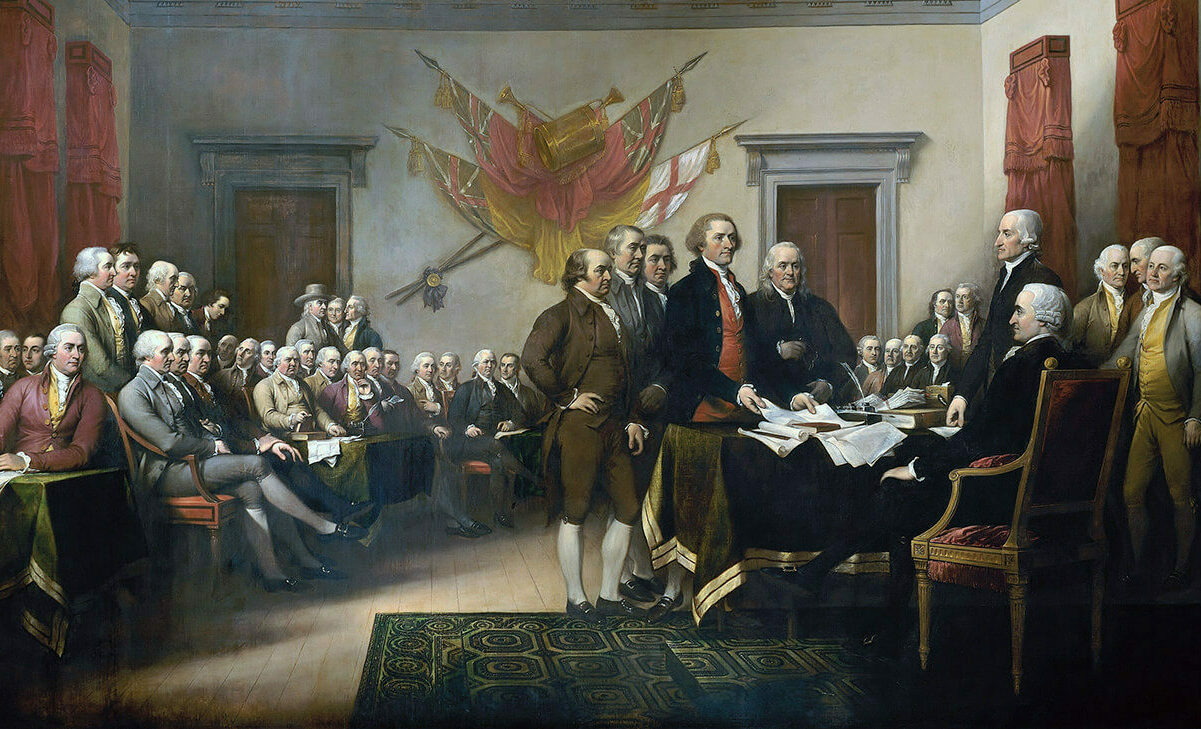
On July 4, 1776 a group of Americans approved a document declaring the United States of America free from English rule. This document was the Declaration of Independence, the nation’s birth certificate. The Declaration is currently being attacked as a racist document. Is this true?
Thomas Jefferson, the author of this document, laid out the reasons the American colonies were declaring themselves independent. One of the grievances he included in his original draft of the Declaration said:
He [King George III] has waged cruel war against human nature itself, violating its most sacred rights of life and liberty in the persons of a distant people who never offended him, captivating and carrying them into slavery in another hemisphere….Determined to keep open a market where MEN should be bought and sold, he has prostituted his negative for suppressing every legislative attempt to prohibit or to restrain this execrable commerce.
This grievance was not included the final copy of the Declaration because of the objection of two states, but its inclusion by Thomas Jefferson shows how serious the issue of slavery was taken by our Founding Fathers.
For many generations the Declaration of Independence was recognized as being a document that brought “freedom to the slave [and] liberty to the captives” (John Quincy Adams). For example, Abraham Lincoln spoke about the importance of the Declaration as an equality document:
In their [the Founders] enlightened belief, nothing stamped with the Divine image and likeness was sent into the world to be trodden on, and degraded and imbruted by its fellows. They grasped not the whole race of man then living, but they reached forward and seized upon the farthest posterity…[I]f you have been taught doctrines conflicting with the great landmarks of the Declaration of Independence…if you have been inclined to believe that all men are not created equal in those inalienable rights enumerated by our chart of liberty, let me entreat you to…come back to the truths that are in the Declaration of Independence.
In honor of the lasting truths set forth in the Declaration of Independence, let’s celebrate Independence Day in a way that was recommended by John Adams:
It ought to be commemorated, as the day of deliverance, by solemn acts of devotion to God Almighty.
New Release
Discover the stories and sacrifices behind the 56 signers’ famous pledge.
American liberty is being eroded, and our Biblical foundation is under constant attack. Here at WallBuilders, we provide education, training, and resources to equip people to know and defend the truth to protect our freedom.
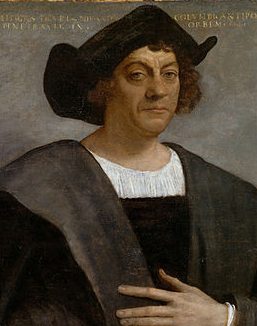 Christopher Columbus. The name invokes images of either a brave and triumphant explorer discovering the New World, or a tyrannical and genocidal leader who was directly responsible for the death of millions. But which image is the truth?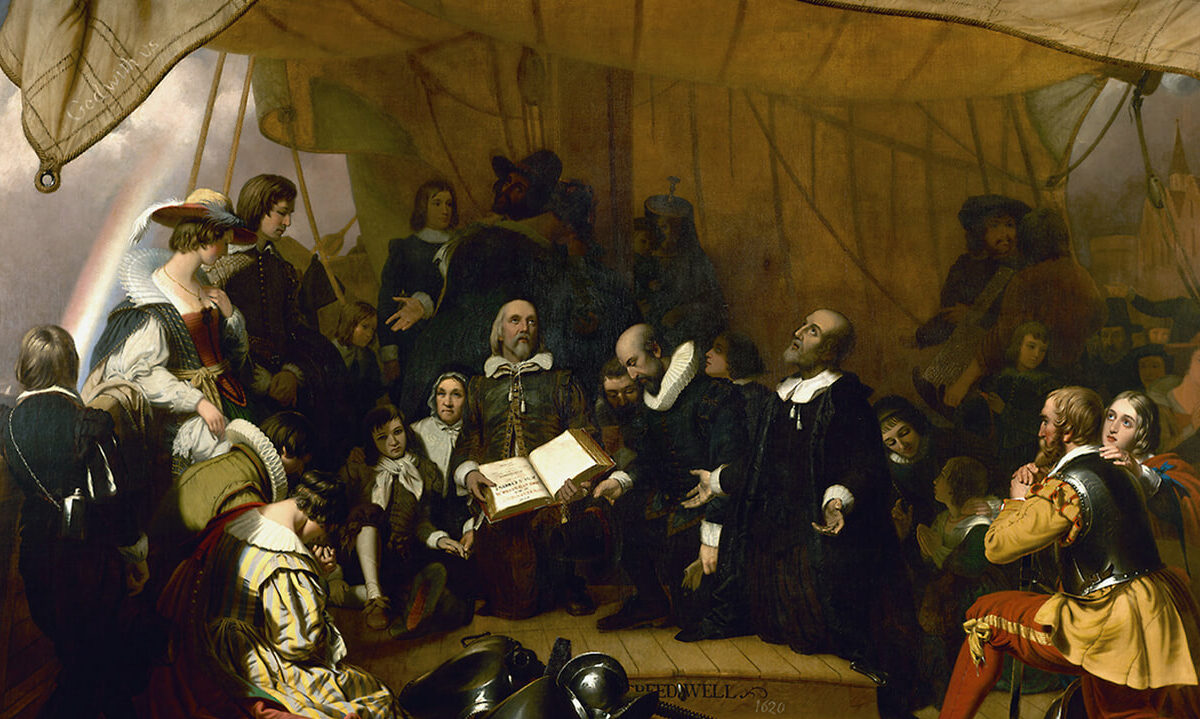
 The Pilgrims were mainly English Dissenters who attended churches that did not belong to the Church of England. One
  (Their trip across the Atlantic was treacherous, with constant storms. In fact, at one point the
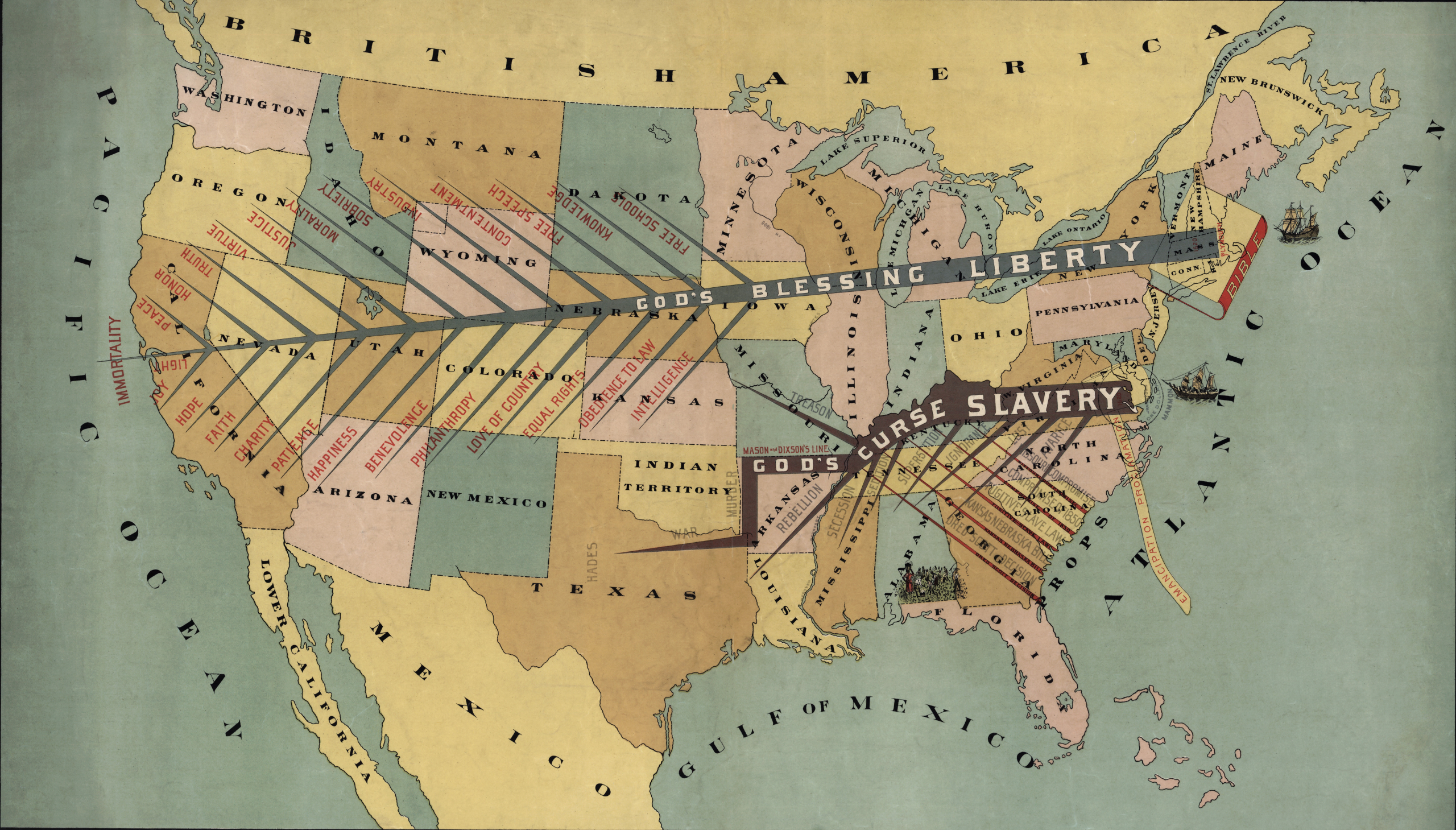 This map from 1888 perfectly illustrates this duality in the American identity—a tale of two cities. The map was created only a generation after the Civil War, which itself was but the cataclysmic struggle between the heirs of the differing philosophies of Jamestown and Plymouth. Designed to teach their children about the history behind the war, it traces the heritage for the South back to Jamestown and the North to Plymouth. Going further, the map highlights the fundamental difference between purpose of founding each colony. While Jamestown was established for mammon [worldly riches], Plymouth was planted upon the Bible.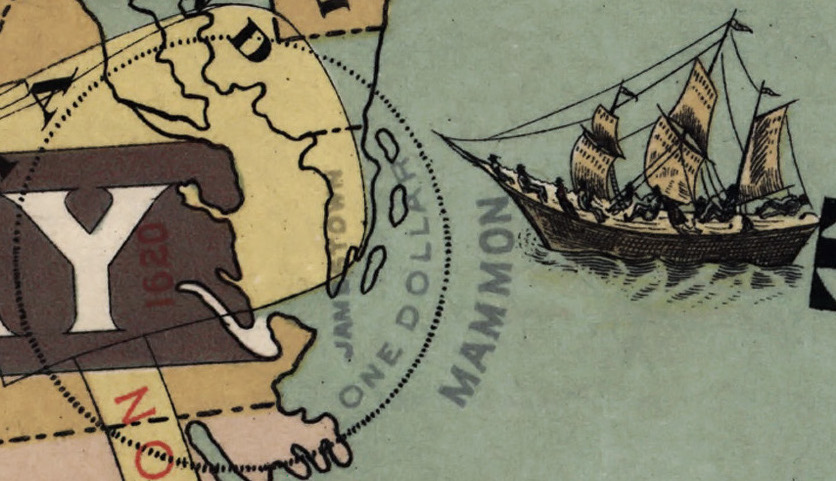
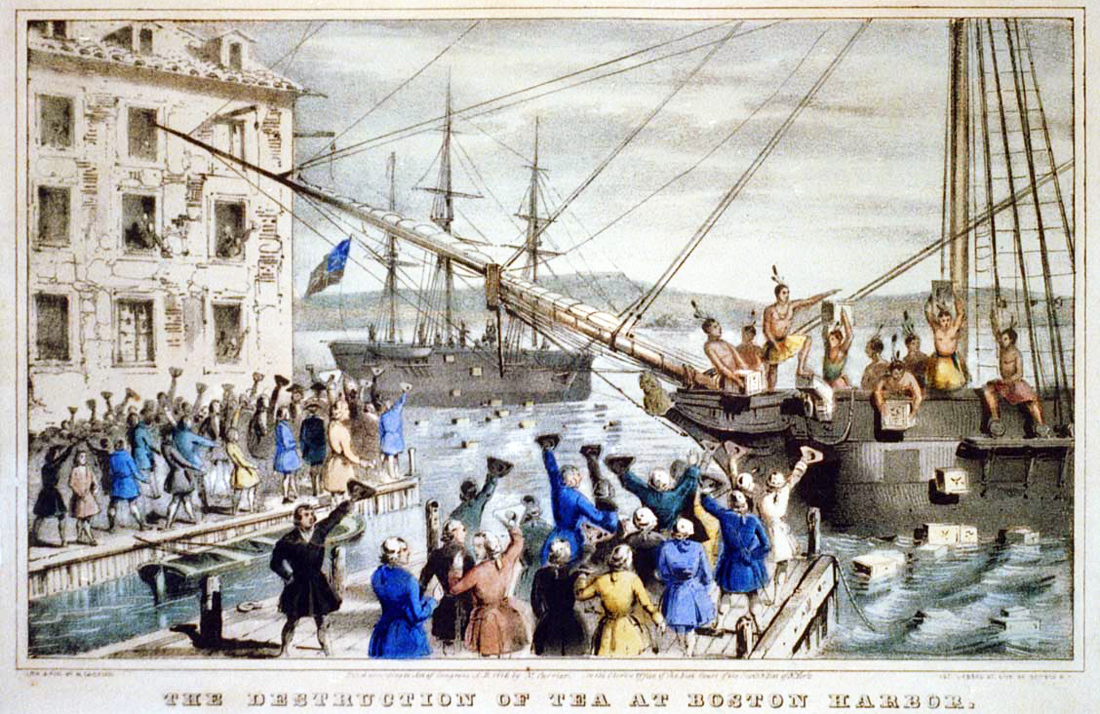
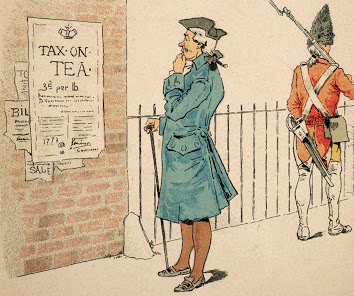 As a brief background, the British Parliament had been passing laws taxing American colonists for years without allowing for any recourse through representation in Parliament. (Although the Colonists had elected representatives in local government, they had no elected leaders to represent them in England.) This principle of arbitrary power exerted by the government was clearly illustrated by a tax on imported tea despite colonial resistance.
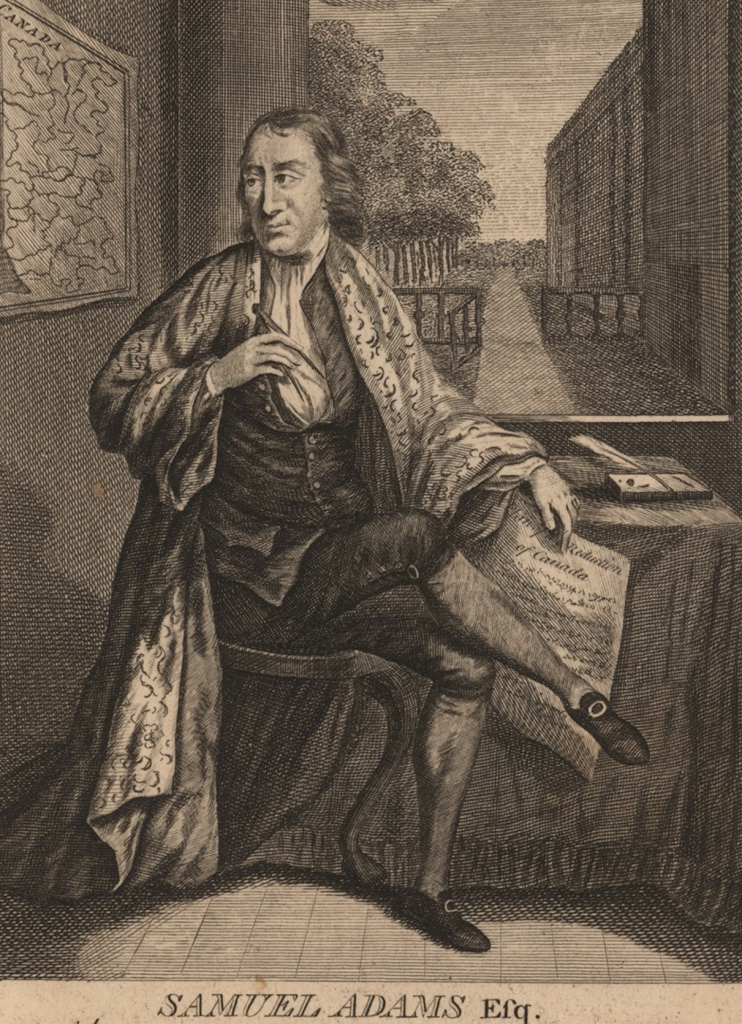 With time running out and all other options exhausted, nearly 7,000 Bostonians gathered at the Old South Meeting House and learned from ship’s owner, Joseph Rotch, that his request to sail back to England had been rejected and that if the tea was not unloaded that night it was subject to confiscation by the English navy (who undoubtedly would land the tea and tax the colonists).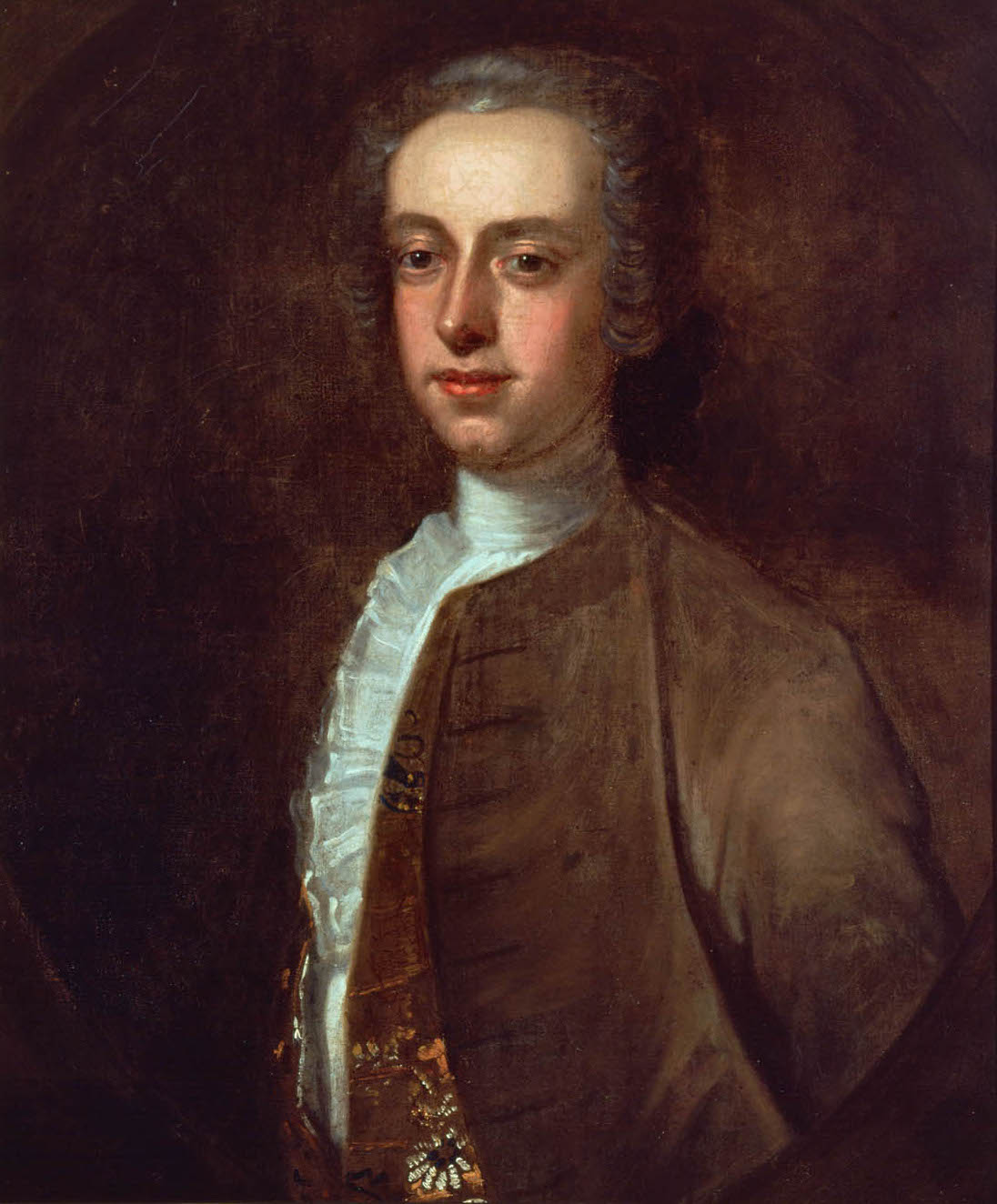
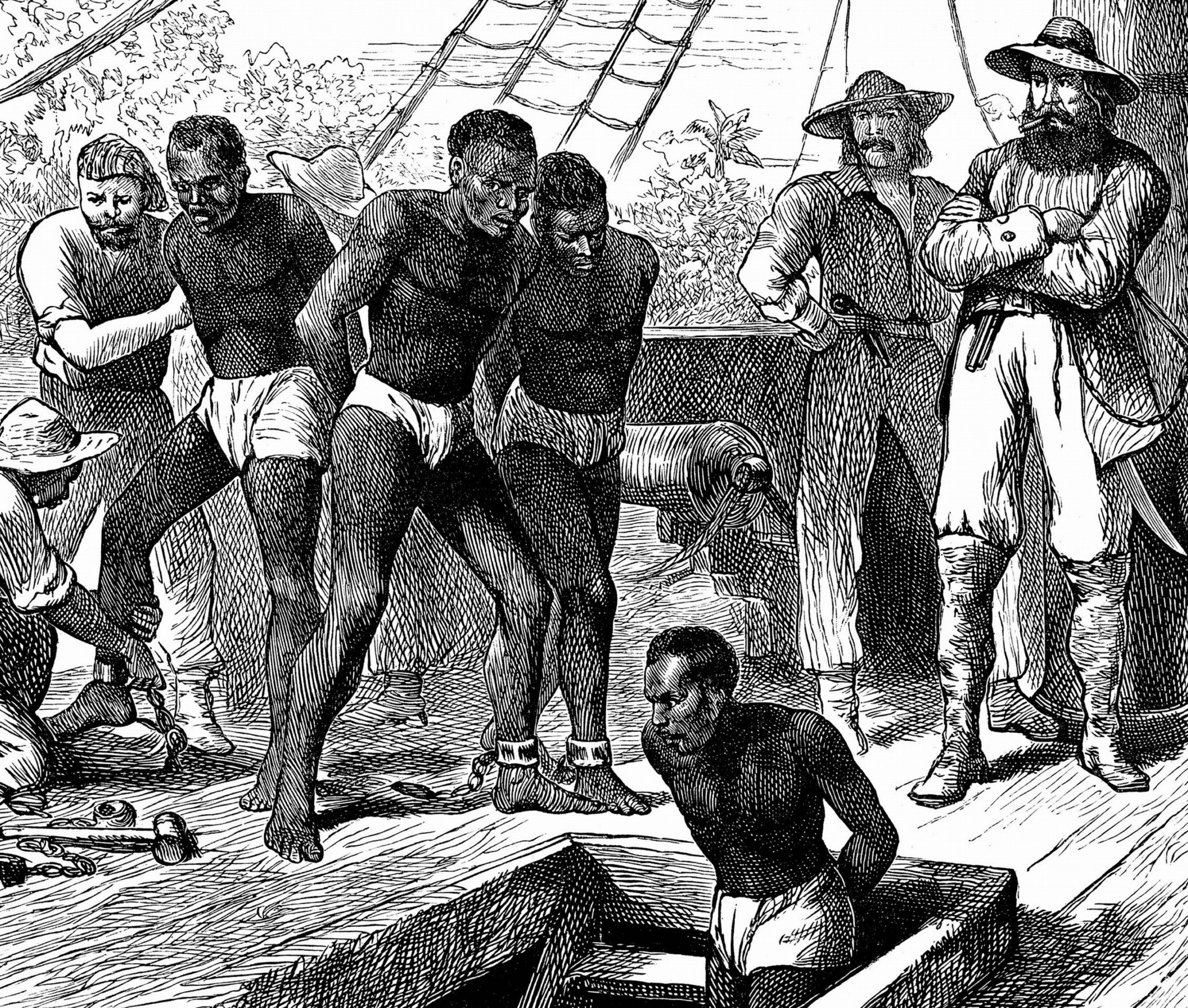
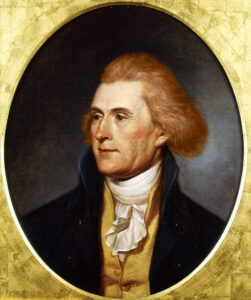 He [King George III] has waged cruel war against human nature itself, violating its most sacred rights of life and liberty in the persons of a distant people who never offended him, captivating and carrying them into slavery in another hemisphere….Determined to keep open a market where MEN should be bought and sold, he has prostituted his negative for suppressing every legislative attempt to prohibit or to restrain this execrable commerce.
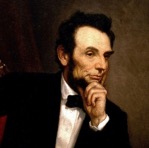 In their [the Founders] enlightened belief, nothing stamped with the Divine image and likeness was sent into the world to be trodden on, and degraded and imbruted by its fellows. They grasped not the whole race of man then living, but they reached forward and seized upon the farthest posterity…[I]f you have been taught doctrines conflicting with the great landmarks of the Declaration of Independence…if you have been inclined to believe that all men are not created equal in those inalienable rights enumerated by our chart of liberty, let me entreat you to…come back to the truths that are in the Declaration of Independence.